
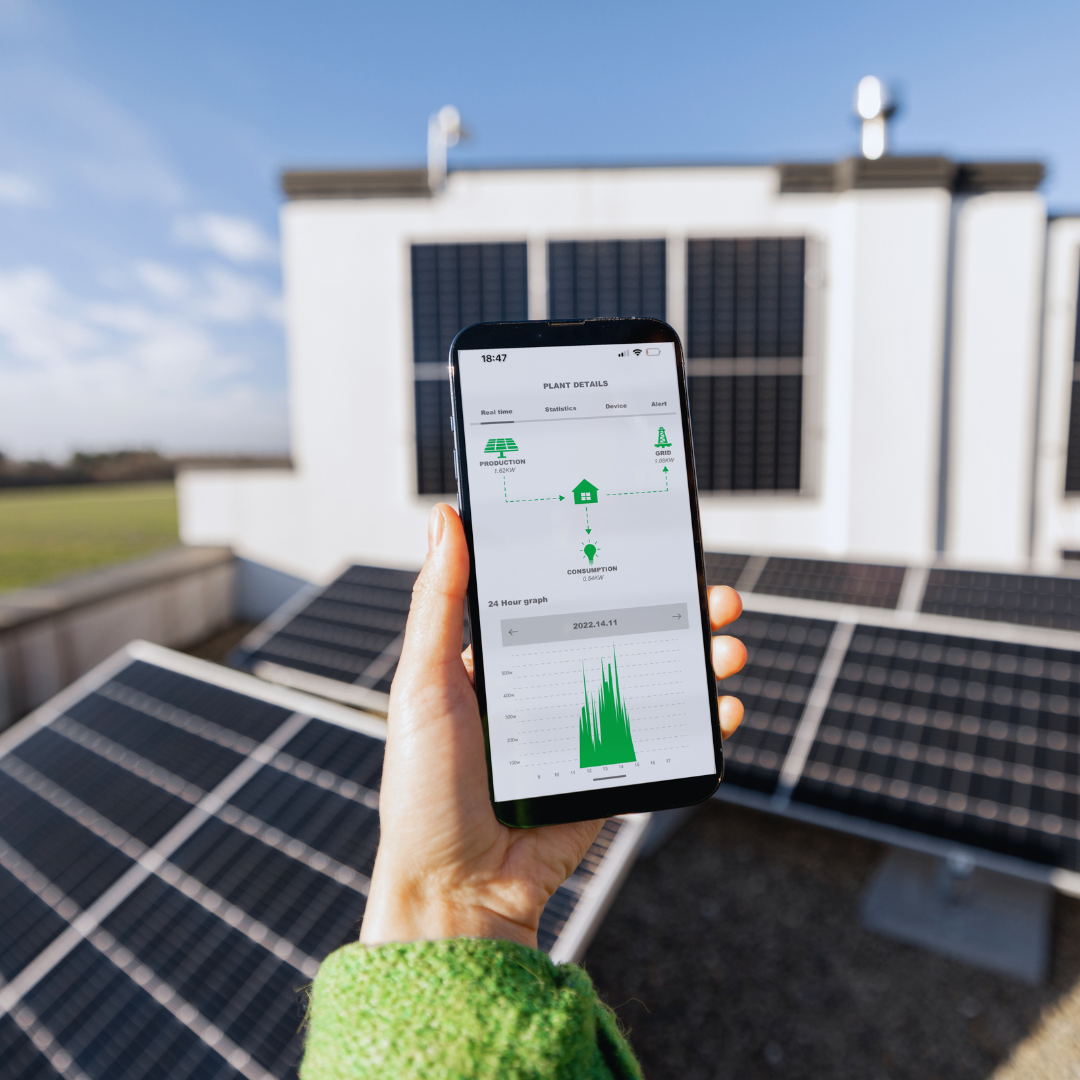
The Connection Between AI and Renewable Energy Technologies: Advancing Sustainable Solutions
The intersection of artificial intelligence and renewable energy technologies is increasingly vital in addressing the challenges of climate change and energy sustainability. AI enhances the efficiency of renewable energy systems by optimizing energy production, improving forecasting, and enabling better management of resources. As the world shifts towards cleaner energy sources, it becomes critical to understand how these advanced technologies can work together to maximize their potential.
Innovative applications of AI can be found in solar energy, wind power, and energy storage solutions. For instance, AI algorithms analyze weather patterns to predict energy output, allowing for more reliable integration into the power grid. This synergy paves the way for a more resilient and responsive energy infrastructure.
As interest in sustainable solutions grows, exploring the connection between AI and renewable energy reveals numerous opportunities for advancement. Engaging with these technologies can lead to groundbreaking developments that support a greener future.
AI’s Role in Advancing Renewable Energy
Artificial intelligence significantly contributes to the development of renewable energy technologies. It enables enhanced efficiency, automates decision-making processes, fosters innovation in integration, and utilizes predictive analytics to optimize energy management.
Enhancing Efficiency and Reducing Carbon Emissions
AI technologies can optimize the performance of renewable energy systems. By using machine learning algorithms, they analyze vast datasets to identify patterns and inefficiencies in energy production and distribution.
This analysis helps in fine-tuning operations, leading to higher energy efficiency. Improved efficiency can subsequently result in reduced carbon emissions, supporting sustainability goals.
For example, AI applications in solar panels allow for real-time adjustments based on weather conditions, enhancing their output. Wind turbines equipped with AI can also predict performance based on wind patterns, maximizing energy capture.
Automation and Decision-Making in Energy Systems
AI facilitates automation in energy management systems. Automation enhances decision-making processes across the energy sector, enabling quick adjustments to electricity demand.
AI systems can predict changes in energy needs and adapt generation accordingly. This capability ensures a constant supply, even as demands fluctuate.
For instance, smart grids in cities can utilize AI to effectively manage distributed energy resources. This results in reduced operational costs and improved reliability in energy distribution.
Innovations in Renewable Energy Integration
AI plays a crucial role in the integration of renewable energy into traditional energy grids. Innovations powered by AI facilitate smoother transitions between different energy sources.
Machine learning models can assess how best to integrate solar or wind energy without compromising stability. AI can also help manage energy storage solutions, coordinating when to store or release energy.
This approach allows for maximizing the use of renewable sources while minimizing reliance on fossil fuels. Furthermore, AI-driven systems can support the development of microgrids, enhancing localized energy resilience.
Predictive Analytics for Power Generation and Consumption
Predictive analytics powered by AI improves forecasting for power generation and consumption. These models analyze historical data to predict future energy needs, optimizing supply chains accordingly.
For example, utilities leverage predictive analytics to forecast electricity demand during peak hours, ensuring adequate generation. This capability reduces waste in energy production, aligning supply more closely with actual demand.
Leveraging deep learning techniques enhances the accuracy of these predictions. Accurate forecasting leads to informed decision-making, ensuring efficient electricity management in a rapidly evolving energy landscape.
Applications of AI in Energy Infrastructure
AI technologies significantly enhance energy infrastructure by improving efficiency, reliability, and management. These applications span various areas, such as electricity distribution, energy storage, predictive maintenance, and cybersecurity measures, all contributing to a smarter power grid.
Smart Power Grids and Electricity Distribution
Smart power grids utilize AI algorithms to enhance the distribution of electricity. These systems analyze real-time data on electricity consumption and energy demand to optimize supply.
Machine learning models help predict peak usage times, enabling better resource allocation. This anticipatory function minimizes energy wastage and ensures supply meets demand without overburdening the grid.
Furthermore, AI enables dynamic pricing models that encourage consumers to shift usage to off-peak hours. This leveling effect reduces strain on grid infrastructure and enhances overall efficiency.
Energy Storage Optimization
Energy storage systems play a critical role in managing renewable energy sources. AI improves these systems by predicting electricity demand and optimizing storage levels.
Machine learning algorithms analyze historical data and real-time inputs to determine when to charge or discharge energy storage units. This minimizes energy loss and ensures that stored energy is available during peak usage.
Additionally, AI can assess the health of battery systems, ensuring they operate efficiently. This proactive approach to maintenance extends the lifespan of energy storage technologies.
Predictive Maintenance and Power Outage Prevention
Predictive maintenance leverages AI to monitor the health of grid components continuously. By analyzing sensor data, AI identifies potential failures before they happen.
This approach reduces unplanned outages, enhancing grid reliability. It can also save costs associated with emergency repairs, providing a more stable electricity supply.
Utility companies can also use AI to analyze weather patterns and other environmental factors that may affect power infrastructure. This foresight allows for proactive measures to mitigate risks associated with severe weather.
Cybersecurity and Grid Reliability
As power grids become more interconnected, cybersecurity is critical to maintaining reliability. AI enhances security measures by providing real-time monitoring of network traffic.
Machine learning detects unusual patterns that could indicate cyber threats. By automating threat detection, AI allows for swift responses to potential breaches.
Robust cybersecurity protocols protect sensitive data related to electricity distribution and consumption. This protection is vital for maintaining consumer trust and ensuring the integrity of energy management systems.
Challenges and Future Trends at the Intersection of AI and Renewable Energy
The integration of AI in renewable energy faces several pressing challenges, such as scaling solutions to meet ever-increasing energy demands and ensuring the sustainability of AI technologies. Additionally, the ethical considerations surrounding AI-driven finance and customer experience require careful examination.
Scaling AI Solutions and Meeting Energy Demands
The rise in energy demands necessitates efficient scaling of AI technologies. Predictive analytics can optimize energy distribution across grids, particularly in regions like Texas, which are grappling with heightened power needs. AI can forecast consumption patterns, enhancing grid reliability and minimizing waste.
This requires a robust infrastructure capable of handling large data inputs. As energy from renewable sources continues to grow, the adaptability of AI algorithms becomes crucial. Implementing AI solutions can streamline operations and integrate renewable sources such as solar and wind, facilitating a transition to cleaner energy.
Sustainability of AI Technologies and Data Centers
As renewable energy expands, the sustainability of AI technologies becomes paramount. Data centers, which require substantial energy for operation and cooling, are significant contributors to carbon footprints. Transitioning these facilities to 100% renewable energy sources can mitigate impacts.
Furthermore, optimizing AI algorithms can lead to reduced computational needs. Using generative AI models may assist in enhancing efficiencies. Strategies to recycle heat from data centers can also promote sustainability, aligning with broader climate change efforts.
AI-Driven Finance and Investment in Clean Energy
Financing renewable energy projects increasingly relies on AI applications. Algorithms assess risks and predict market trends, guiding investors toward profitable, clean energy investments. Data analysis aids in identifying emerging opportunities, enabling targeted financial strategies.
This trend can also improve transparency in investment processes. Tools powered by AI can evaluate projects against sustainability goals, ensuring alignment with ethical standards. Enhanced financial models can streamline funding for new technologies such as energy storage and smart grids.
Ethical Considerations and Customer Experience
AI’s role in shaping customer experience within the energy sector carries ethical implications. Transparency is essential; companies must ensure customers understand how AI influences their energy usage and billing. Trust in AI solutions can foster more widespread acceptance.
Moreover, understanding customer needs through AI analytics can enhance service offerings. Tailored recommendations based on consumption patterns can lead to more efficient energy usage, contributing to sustainability. A focus on ethical AI use is crucial for maintaining customer loyalty and promoting clean energy adoption.