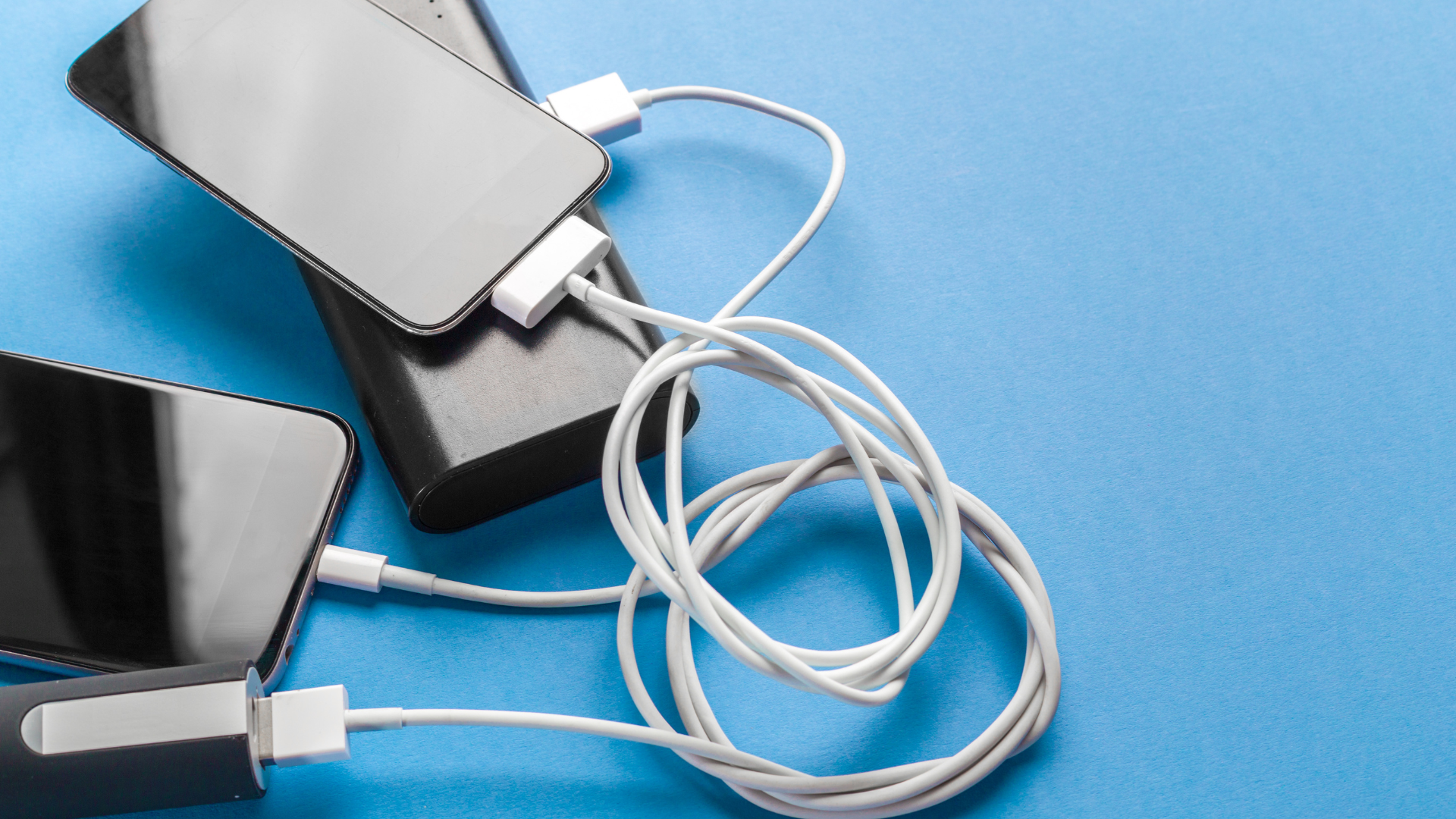

How to Secure Your Phone Without Sacrificing Usability: Essential Tips for a Safer Experience

With the increasing reliance on smartphones, ensuring their security has become paramount. Users can protect their mobile devices effectively while maintaining usability by implementing a few key strategies. Balancing convenience and security might seem challenging, but it is achievable with the right approach.

Many individuals unknowingly compromise their phone security through weak passwords or a lack of updates. They can enhance their mobile security by choosing strong passwords, enabling biometric authentication, and regularly updating their operating systems and apps. These steps not only safeguard personal information but also streamline the user experience.

Additionally, utilizing security features like remote wipe or find my phone can dramatically improve phone security without hindering everyday use. By adopting these practices, individuals can stay connected and secure, enjoying peace of mind while using their devices.

Essential Security Without Hassle

Maintaining security on a phone is crucial, yet it should not interfere with daily use. The following methods provide effective security measures that enhance device protection without creating friction for the user.

Setting Strong Passwords and PINs

Creating a strong password or PIN is a foundational step in securing a phone. A robust password typically contains at least 12 characters, combining letters, numbers, and symbols. Avoid easily guessed information, such as birthdays or names.

Users should also consider using a password manager. This tool generates and stores complex passwords, simplifying the login process while enhancing security. Regularly updating passwords can further protect sensitive information. Setting a unique passcode for unlocking the device adds another layer of security that is often overlooked.

Leveraging Biometric Authentication

Biometric authentication methods, like Face ID and fingerprint recognition, provide quick access and robust security. These systems use unique biological traits to verify the user’s identity, making unauthorized access challenging.

For devices equipped with these features, users should enable biometric authentication for phone unlocking and app access. This approach reduces reliance on passwords, streamlining usability while maintaining security integrity. Regularly updating biometric data also ensures that the system adapts to changes, making it more reliable.

Enabling Automatic Updates for Security

Automatic updates are vital for keeping a phone secure. Manufacturers regularly release updates that address vulnerabilities and enhance features. By enabling automatic updates, users can ensure that their device has the latest security patches without manual intervention.

To activate automatic updates, users can navigate to their device settings. This process usually involves selecting the system update option and enabling the automatic update feature. Staying current with updates mitigates security risks and enhances performance, eliminating delays caused by outdated software.

Remote Tracking and Finding Lost Devices

In the event of loss or theft, having the ability to track a device is essential. Features like “Find My iPhone” or “Find My Device” allow users to locate their phones through GPS technology. This capability not only aids in recovery but also offers options to lock the device or erase data remotely.

To utilize these services, users must enable location services in their settings. Additionally, registering for these tracking services ahead of time ensures that they are functional when needed. This proactive approach to securing a phone can protect personal information and help recover the device quickly.

Making Safe Choices With Apps and Connections

Making informed decisions about apps and connections plays a crucial role in securing a phone. Utilizing official platforms and managing permissions effectively can greatly reduce the risk of encountering malware and other security threats.

Downloading Apps Only From Official App Stores

Users should download apps exclusively from official app stores like the Google Play Store and the Apple App Store. These platforms have rigorous vetting processes that help minimize exposure to malicious applications.

Installing apps from third-party sources increases vulnerability to malware. Official app stores provide security features such as user reviews and ratings, which can assist in identifying reputable apps.

Before downloading, always check the app’s publisher. Trusted developers are often well-known, and their apps are less likely to contain harmful elements.

Managing and Limiting App Permissions

Many apps request permissions that may not be necessary for their functionality. Users should review these permissions during installation and modify them as needed.

For instance, a flashlight app does not need access to contacts or location. Limit permissions to only what is essential for the app’s performance.

Regularly check app settings to ensure no app has excessive permissions. This can prevent unauthorized access to personal data and enhance overall security.

Recognizing and Avoiding Malicious Apps and Malware

Identifying malicious apps requires vigilance. Users should be wary of apps with low ratings or negative reviews, especially those that promise unrealistic features.

Keep an eye out for strange behavior in apps, such as unexpected ads or requests for unnecessary information. Installing reputable antivirus software can provide an extra layer of protection by detecting and removing malware.

Staying informed about current security threats can also help users recognize potential risks associated with certain apps.

Securing Public Wi-Fi With a VPN

Public Wi-Fi networks often lack proper security, making them targets for attackers. Using a Virtual Private Network (VPN) encrypts internet traffic, safeguarding data from potential eavesdroppers.

When connecting to public Wi-Fi, activate the VPN to ensure that sensitive information, such as passwords and personal data, remains protected. Choose a reliable VPN service known for strong encryption standards.

Regularly update the VPN app to maintain security. A VPN can be a crucial tool in securing data transmission while using unsecured networks.

Maximizing Account and Data Protection

To enhance phone security while maintaining usability, implementing strong account protection measures is crucial. This includes utilizing two-factor authentication, employing authenticator and password manager apps, and being vigilant against phishing attempts.

Two-Factor and Multi-Factor Authentication

Two-factor authentication (2FA) adds an additional layer of security by requiring a second form of identification before accessing an account. This could be a text message code or a notification from an authentication app.

Multi-factor authentication (MFA) takes this further, using multiple forms of verification, such as something the user knows (password), something they have (phone), or something they are (biometric data). Enabling these features significantly reduces the chances of unauthorized access by cybercriminals.

Using Authenticator and Password Manager Apps

Authenticator apps, such as Google Authenticator or Authy, generate time-sensitive codes for account verification. These apps are generally safer than SMS-based methods as they do not rely on potentially compromised networks.

Password manager apps securely store and encrypt an individual’s passwords, making it easier to use strong, unique passwords for different accounts. This reduces the risk of password reuse, which is a common vulnerability targeted by hackers.

Recognizing Phishing Attempts and Scams

Phishing attempts often come in the form of emails, text messages, or phone calls that masquerade as legitimate sources. These scams aim to trick individuals into revealing personal information or login credentials.

To recognize phishing attempts, users should look out for unsolicited communications, suspicious links, or poor spelling and grammar. Key indicators may include requests for sensitive information or a sense of urgency. Educating oneself about these tactics can help in effectively avoiding scams and protecting personal data.

Maintaining Long-Term Mobile Security

Long-term mobile security requires consistent efforts in both app and device maintenance as well as regularly backing up important data. Implementing these practices helps protect personal information and ensures that the device operates effectively.

Ongoing App and Device Maintenance

Regular maintenance is crucial for mobile security. Keeping apps updated with the latest versions ensures the inclusion of security fixes. Enabling automatic updates can simplify this process.

  • Monitor App Permissions: Users must review app permissions regularly. This ensures that apps only access the necessary information. Revoking unnecessary permissions limits potential data exposure.
  • Utilize Antivirus Software: Installing reliable antivirus software can provide an added layer of protection. It detects and neutralizes threats, such as malware or suspicious activities.

Regularly auditing installed apps is also essential. Uninstalling those that are outdated or unused reduces vulnerability. Staying proactive about these aspects significantly lowers security risks.

Keeping Backups of Important Data

Backing up data protects important information from loss or theft. Regular backups are key to maintaining data integrity.

  • Cloud and Local Backups: Users can utilize cloud services for automatic backups or create local backups on computers. Both options provide flexibility depending on individual preferences.
  • Backup Frequency: Establishing a routine backup schedule helps ensure nothing important is lost. Weekly or monthly backups often suffice, but critical data may need more frequent attention.

Additionally, encryption should be applied to backups when possible. This adds security, protecting against unauthorized access. By staying diligent about backups, users can safeguard their vital information effectively.


The Importance of Maintaining Human Connection in the Digital Age: Navigating Relationships in a Tech-Driven World

In an era dominated by technology, maintaining human connection is more crucial than ever. The fabric of meaningful relationships strengthens resilience and emotional well-being, which are increasingly challenged by digital distractions. While convenience has grown with digital communication, the essence of interpersonal interactions remains vital for personal and societal health.

As individuals navigate a landscape filled with screens and social media, the risk of superficial connections increases. Genuine relationships foster empathy, support, and trust, elements that technology often fails to replicate. Engaging in face-to-face conversations and shared experiences can ground individuals amidst the chaos of a fast-paced digital world.

The importance of prioritizing human connection cannot be overstated. It not only enhances personal satisfaction but also promotes a sense of belonging and community. In a time when digital engagement is commonplace, nurturing authentic relationships is key to thriving both personally and collectively.

Understanding Human Connection in a Digital World

In today’s increasingly digital landscape, the essence of human connection is pivotal for mental and emotional well-being. Exploring how technology impacts relationships provides valuable insights into the complexities of belonging and community dynamics.

Defining Human Connection and Its Role in Well-Being

Human connection refers to the emotional bonds that individuals share with others. This connection is fundamental for mental health, fostering a sense of belonging and security. Studies indicate that these relationships contribute significantly to overall well-being, reducing stress and enhancing happiness.

Moreover, communities offer support systems, helping individuals navigate life’s challenges. When people feel connected, they experience lower levels of loneliness and isolation. Therefore, nurturing these connections, even in a digital world, is essential for maintaining emotional balance and psychological resilience.

The Paradox of Technology: Connection vs. Isolation

While technology provides tools for communication, it can also foster feelings of isolation. Social media platforms may create an illusion of connectivity, yet many users report heightened loneliness. This paradox raises questions about the quality of online interactions versus face-to-face relationships.

Digital communication lacks nuances such as body language and tone, which can lead to misunderstandings. The constant influx of information can also overwhelm individuals, making meaningful connections more challenging. Striking a balance between digital engagement and real-world interactions is crucial for combating feelings of disconnection.

The Psychology of Belonging and Community

Belonging is a fundamental human need, crucial for mental well-being. A strong sense of community fosters relationships built on trust and mutual support. Individuals who feel they belong are more likely to participate actively in their communities, enhancing overall life satisfaction.

In the digital age, online communities can provide valuable spaces for connection. However, they often lack the depth of in-person interactions. Prioritizing meaningful relationships, whether online or offline, helps individuals maintain a strong sense of identity and community, directly impacting their well-being and reducing feelings of loneliness.

Challenges and Opportunities for Meaningful Relationships Online

Navigating relationships in the digital space involves both obstacles and possibilities. Understanding how social media influences emotional intimacy and recognizing avenues for authenticity is crucial for building meaningful connections.

The Impact of Social Media Platforms on Emotional Intimacy

Social media platforms have transformed how individuals connect and communicate. They allow for instant interactions, but the nature of these exchanges can affect emotional intimacy.

With surface-level interactions dominating feeds, individuals may struggle to develop deep, meaningful connections. Frequent likes and comments may create an illusion of intimacy, yet they often lack the depth found in face-to-face conversations. The emphasis on curated images can hinder genuine emotional expression.

While social media can foster connections with distant friends and family, it may also create feelings of comparison and inadequacy that inhibit true closeness. Therefore, users must actively seek depth amid the noise to establish emotional ties.

Overcoming Barriers to Authenticity and Vulnerability

Authenticity and vulnerability are essential for meaningful relationships, yet digital interactions often encourage a façade. Many people curate their online personas to project an idealized version of themselves. This can create barriers to sincerity.

Challenges arise when fear of judgment or rejection leads individuals to withhold their true selves. As a result, discussions about personal struggles and feelings may remain superficial. Encouraging environments within online communities can foster open dialogue, helping individuals share their vulnerabilities without fear.

Establishing norms for authenticity online can lead to deeper relationships. Platforms that support honest communication can help individuals relate more closely, leading to enhanced emotional intimacy.

Addressing Loneliness and Isolation in the Digital Landscape

Despite being more connected than ever, many individuals experience loneliness in the digital landscape. The paradox of having vast online networks yet feeling isolated is commonly reported.

Online communities can serve as a remedy, providing spaces where people can share experiences and support one another. Participating in interest-based groups can combat feelings of loneliness by facilitating connections over shared passions.

It is vital for individuals to seek out these supportive environments consciously. Finding online communities that prioritize engagement and emotional support can enhance one’s sense of belonging, alleviating feelings of isolation and enriching personal relationships.

Strategies for Nurturing Human Connection in the Digital Age

Maintaining human connection requires intentional efforts, especially in a technology-driven world. Mindful communication, a balance between in-person and digital interactions, and shared experiences are key elements to fostering relationships.

Mindful Communication and Active Listening

Mindful communication emphasizes clarity and intentionality in interactions. Practicing active listening allows individuals to fully engage with others by focusing on their words, tone, and non-verbal cues.

Key techniques include:

  • Maintain eye contact: This demonstrates presence and attentiveness.
  • Ask open-ended questions: This encourages deeper conversation.
  • Reflect and summarize: Restate what has been said to ensure understanding.

Each of these techniques fosters an environment where people feel heard and valued.

Balancing In-Person and Digital Interactions

Finding the right balance between in-person and digital communication forms the foundation of strong relationships. Face-to-face interactions can enhance connections with non-verbal cues and genuine presence.

Strategies to consider:

  • Schedule regular meetups: Create opportunities for direct engagement.
  • Utilize technology thoughtfully: Use video calls for more personal interaction when in-person meetings are not possible.
  • Limit digital overwhelm: Set boundaries on screen time to prioritize face-to-face conversations.

This balance helps people maintain genuine relationships while navigating the digital landscape.

Building Community Through Shared Experiences

Shared experiences create bonds among individuals, fostering a sense of belonging and collaboration. Engaging in team-building activities or community events strengthens connections.

Effective approaches include:

  • Organize group activities: Encourage collaboration through workshops or volunteer opportunities.
  • Participate in local events: Attend community gatherings to meet new people.
  • Create shared goals: Working together on projects enhances camaraderie.

These experiences cultivate a supportive environment, reinforcing the importance of human connection in a digital world.

Fostering Emotional Intelligence and Well-Being Through Connection

In the digital age, nurturing emotional intelligence and enhancing well-being heavily relies on meaningful connections. These relationships cultivate empathy, support mental health, and emphasize the importance of authentic interactions.

Empathy and Understanding in Digital Relationships

Empathy is essential for fostering strong digital relationships. It involves the ability to recognize and respond to the emotions of others. When individuals practice empathy online, they create a supportive environment conducive to understanding.

Platforms that encourage sharing personal experiences often enhance empathetic responses. For example, individuals can engage in discussions about challenges they face, allowing others to relate and respond thoughtfully. This shared understanding strengthens bonds and enhances emotional intelligence.

Being aware of non-verbal cues through video calls or even emojis can deepen emotional connections. Such awareness fosters a sense of belonging and validation among participants, which is crucial for maintaining strong relationships in a virtual landscape.

Supporting Mental Health With Meaningful Connections

Meaningful connections serve as a protective factor for mental health. Studies indicate that individuals with robust social ties experience lower levels of anxiety and depressive symptoms. Virtual friendships can provide a sense of community, especially for those isolated due to geographical barriers or personal circumstances.

Engaging in regular conversations, whether through messaging or video chats, can reduce feelings of loneliness. These interactions create opportunities for individuals to share their thoughts and emotions, leading to better emotional regulation.

Support networks can also facilitate access to mental health resources. When individuals discuss their challenges, it can encourage others to seek help or share useful strategies for coping. Thus, fostering these connections significantly impacts overall well-being.

The Value of Authenticity and Open Communication

Authenticity is pivotal in cultivating healthy digital relationships. Being genuine encourages trust and openness. When individuals express their true selves, it fosters deeper connections that are more resilient to conflicts.

Open communication allows for the exchange of ideas and emotions, which enhances emotional intelligence. Individuals who feel comfortable expressing themselves are often more attuned to others’ feelings. This active listening leads to richer interactions.

Encouraging honest conversations about feelings and experiences can dismantle barriers. Individuals are more likely to seek support when they perceive their relationships as safe and non-judgmental. In this way, authenticity drives emotional connection and well-being in the digital realm.

The Shift from Consumption to Creativity in Mobile Use: Redefining User Engagement and Experience

Mobile devices have transformed from mere tools for consumption into platforms that foster creativity and self-expression. This shift indicates that users are now more inclined to create content, engage in collaboration, and experiment with various forms of digital expression on their smartphones and tablets. As these devices become increasingly powerful and accessible, they encourage users to take on active roles, whether through social media, app development, or digital art.

The rise of creative applications, paired with enhanced user interfaces, allows individuals of all skill levels to participate in creative endeavors. People are finding innovative ways to share their stories, showcase their talents, and connect with a larger audience. This cultural change not only influences personal identity but also shapes community dynamics, driving collaboration and interaction in ways that previous generations could hardly imagine.

Understanding this evolution is crucial for anyone interested in the digital landscape. The transition from passive consumption to active creativity reflects broader societal changes and suggests a future where technology continues to empower individual expression and collective innovation.

From Passive Consumption to Active Creativity: The Mobile Revolution

The transformation in mobile use marks a significant change in how individuals engage with content. This shift moves away from passive consumption, where users simply viewed content, toward active creativity, where users create and share their own content.

Defining Consumption and Creativity in Mobile Contexts

Consumption in mobile contexts refers to the passive engagement with content through apps, videos, and social media. Users typically watch, read, or listen without contributing. In contrast, creativity involves active participation. This includes creating videos, photos, music, or writing. Mobile technology enhances this creativity, providing tools for users to produce and share content easily.

Historical Trends in Mobile Media Use

Initially, mobile media consumption focused on entertainment and information. Early smartphones allowed access to the internet, but user interaction remained minimal, often limited to browsing or watching videos. Over time, platforms like Instagram and TikTok emerged, encouraging user-generated content. These platforms transformed mobile devices into tools for self-expression, enabling not just consumption but also creation.

Factors Driving the Shift Toward Creativity

Several factors contribute to the shift from consumption to creativity. Mobile technology has become more powerful, enabling high-quality content creation. User-friendly apps simplify the editing process, encouraging more users to create. Social media trends also motivate users to share their work, driving engagement and feedback. Furthermore, the rise of influencers has inspired many to create their own content, blurring the line between consumers and creators.

Creative Behaviors and New Modes of Mobile Engagement

The landscape of mobile engagement has evolved significantly. Users now leverage their devices not just for consumption but also for creative expression across various platforms. This shift has birthed new forms of interaction and creativity, particularly through user-generated content, gaming, and collaborative applications.

User-Generated Content and Expression

User-generated content (UGC) has transformed how individuals engage with mobile media. Platforms like Instagram, TikTok, and YouTube empower users to create and share original material, fostering a culture of creativity. Users utilize smartphones to record videos, edit photos, and develop unique content styles, often driving trends and cultural conversations.

Mobile applications simplify the content creation process. With built-in editing tools and social sharing features, they lower barriers to entry for aspiring creators. People can experiment with different formats, from short clips to long articles, resulting in diverse expressions of creativity.

Consequently, this shift toward UGC has redefined consumer behavior. Users are not just passive viewers; they actively contribute and interact, creating a sense of community and belonging.

Mobile Gaming as a Creative Outlet

Mobile gaming serves as a vital outlet for creativity and self-expression. Many games now allow players to design characters, build worlds, and create user-generated scenarios. Platforms like Roblox and Minecraft inspire creativity through gameplay that emphasizes creation alongside competition.

Smartphones enable seamless access to a variety of game genres, engaging users in multifaceted creative experiences. Players often share their creations within communities, enhancing collaboration and inspiration.

Moreover, gaming applications frequently integrate social features, allowing users to share achievements and experiences. This emphasis on interactivity encourages innovative thinking as players engage with dynamic content in real-time.

Collaborative and Social Creativity on Smartphones

Smartphones facilitate collaborative creativity through various applications. Tools like Google Docs, Trello, and Slack enable groups to brainstorm ideas, develop projects, and provide feedback instantaneously. This functionality enhances teamwork in both professional and personal settings.

Social media platforms also play a crucial role. Users engage in challenges and collaborative projects that invite participation from a broad audience. This collaboration enhances creativity by merging different perspectives and skills.

In addition, many apps focus on community-driven projects. They incentivize teamwork through challenges and shared goals, promoting a collective creative process. Collaborative engagements expand users’ imaginative capabilities, showcasing the power of connectivity in creativity.

Technological Enablers of Mobile Creativity

The advancement of mobile devices and applications has significantly influenced creative expression. Key developments in technology facilitate various creative activities, allowing users to shift from passive consumption to active creation.

Evolution of Mobile Devices and Capabilities

Mobile devices have rapidly evolved, enhancing their capabilities to support creativity. Modern smartphones incorporate high-resolution cameras, advanced processors, and superior display technology.

These features empower users to create high-quality multimedia content.

  • Camera Quality: The introduction of multi-lens systems and AI enhancements allows for professional-grade photography and videography.
  • Processing Power: Powerful CPUs and GPUs enable complex graphic editing and rendering in real-time.
  • Display Technology: High-definition screens improve the visibility of creative work, making it easier to edit and view.

These advancements enable users to engage in a variety of creative pursuits, significantly expanding their potential for innovation.

App Ecosystems Facilitating Creative Participation

A diverse range of mobile applications supports creative efforts across various fields. Popular platforms like Adobe Creative Cloud, Procreate, and TikTok provide tools for artists, designers, and content creators.

These applications offer:

  • User-Friendly Interfaces: They make complex tasks accessible to beginners.
  • Collaboration Tools: Many apps feature cloud storage and collaborative editing, facilitating teamwork across distances.
  • Instant Sharing: Features that allow for quick distribution of creative work engage audiences directly and encourage feedback.

The extensive app ecosystem turns mobile devices into versatile creative platforms, enabling individuals to express their ideas without traditional barriers.

Challenges and Future Directions in Creative Mobile Use

The evolution of mobile technology presents both challenges and potential avenues for growth in creative pursuits. Understanding these obstacles will help users navigate the dynamic landscape of creativity facilitated by smartphones and digital technology.

Balancing Consumption and Creativity

As mobile devices become central to daily life, the risk of passive consumption increases. Users often find themselves inundated with content, leading to decreased creative engagement.

Strategies to Encourage Creativity:

  • Set Time Limits: Users can allocate specific times for creative activities versus consumption-oriented tasks.
  • Curate Content: Opting for platforms that foster creativity, such as art or writing applications, can help refocus attention.

Maintaining this balance is pivotal in ensuring that mobile use remains a tool for creativity rather than a distraction.

Privacy and Digital Wellbeing in Creative Activities

Privacy concerns related to mobile technology can inhibit creative expression. Users often hesitate to share work or ideas due to fears of theft or misuse.

Key Considerations:

  • Data Protection: Utilizing apps with strong privacy policies can ensure that users’ creative content remains secure.
  • Digital Wellbeing Tools: Features designed to promote healthy usage patterns assist in maintaining focus on creative pursuits.

Addressing these privacy issues is essential for fostering a healthy environment where creativity can thrive without fear.

Opportunities for Further Innovation

The rapid advancement of mobile technology continues to open new pathways for creative expression. Innovations in augmented reality (AR) and artificial intelligence (AI) have the potential to transform creative mobile use.

Emerging Trends:

  • AR Applications: They enable users to overlay digital art in real-world settings, enhancing interactive storytelling.
  • AI Tools: These can assist in various creative processes, from generating music to writing scripts, thus broadening creative horizons.

Leveraging these advancements can empower users to explore uncharted territories in creative expression, making mobile devices essential instruments for innovation.

Why Tech Doesn’t Have to Replace Human Experience: Embracing Collaboration for Enhanced Engagement

In an era where technology permeates every aspect of life, the question arises: can it truly replace the richness of human experience? Many fear that advancements in AI and automation will diminish personal interactions and the emotional depth that comes from human engagement. The truth is, technology can enhance human experience rather than replace it, offering tools that empower deeper connections and understanding.

As individuals navigate the digital landscape, they frequently encounter interfaces and algorithms designed to assist, not supplant. These innovations can streamline tasks, improve efficiency, and even foster collaboration. By integrating technology thoughtfully, they can create opportunities for more meaningful human interactions.

Recognizing the distinct value of personal experiences is essential. While machines can perform numerous functions, the nuanced understanding and empathy intrinsic to human relationships cannot be replicated. Embracing technology as a complement to human experience allows individuals to enrich their lives while retaining the critical elements that make them uniquely human.

The Human Experience: Why Tech Can’t Replace It

The complexities of human connection, creativity, and intuition illustrate why technology cannot replicate the human experience. These qualities define what it means to be human and underscore our unique contributions to society.

Defining Human Connection in the Digital Age

In a world increasingly dominated by technology, authentic human connection remains essential. While social media and messaging apps facilitate communication, they often lack the depth of face-to-face interactions.

Key aspects of human connection include:

  • Empathy: Understanding and sharing feelings enhances relationships.
  • Nonverbal Cues: Body language and tone convey emotions that text cannot.

Humans thrive in an environment enriched by genuine connections that require shared experiences and emotional resonance. Technology can support these connections, but cannot replace their fundamental nature.

Creativity and Innovation as Human Strengths

Creativity is inherently tied to human experience. Machines can analyze data and generate content, yet they cannot produce original ideas born from lived experiences.

Human creativity is driven by:

  • Life Experiences: Personal stories shape perspectives, fueling innovation.
  • Cultural Influences: The diversity of human backgrounds leads to unique creative expressions.

Collaboration across various disciplines and cultures fosters innovation. While AI can assist in creative tasks, it lacks the experiential insights crucial for groundbreaking ideas.

Intuition, Flexibility, and the Power of Human Touch

Intuition and flexibility are distinctively human traits. These qualities allow individuals to adapt quickly to unexpected situations. Technology can analyze patterns but often struggles with ambiguous scenarios where human judgment excels.

The power of human touch includes:

  • Emotional Intelligence: Understanding emotions in oneself and others guides decision-making.
  • Adaptability: Humans can pivot based on new information or changing environments.

These traits enable humans to navigate complexities and build relationships in ways that technology cannot. The essence of the human experience lies in these irreplaceable qualities, reinforcing the notion that tech cannot fulfill every aspect of human life.

The Role of Technology and Automation in Enhancing Human Life

Technology and automation significantly influence daily living, improving efficiency and access to information. They create new opportunities while also posing challenges that require human engagement and leadership.

Opportunities and Limits of AI and Automation

AI and automation offer innovative solutions across various sectors. In industries like healthcare, these technologies enhance diagnostic accuracy and treatment personalization. For instance, AI algorithms can analyze patient data to identify health trends more swiftly than human counterparts.

Automation streamlines processes in manufacturing, reducing costs and increasing productivity. Yet, while these advancements provide substantial benefits, they also carry limitations. Complex decision-making and emotional intelligence are areas where machines still fall short.

The reliance on technology raises concerns about displacement in the workforce. Balancing automation with human roles is essential for sustainable growth. Organizations must recognize that while machines can assist, they cannot entirely replicate human capabilities.

The Importance of Human Leadership and Decision-Making

Human leadership plays a crucial role in integrating technology and automation effectively. Leaders must navigate the ethical implications of using AI, ensuring transparent and fair practices. Decisions regarding automation implementation often require a nuanced understanding and judgement that technology alone cannot provide.

Leadership fosters innovation by encouraging collaboration between human intuition and technological capabilities. Successful leaders utilize both data-driven insights and their understanding of human behavior to guide their teams.

Furthermore, maintaining a human touch in customer service remains vital. Personal interactions often enhance user experience, demonstrating the indispensable value of human touch amid technological advancement. Leaders must prioritize human skills alongside technical expertise for a well-rounded approach to modern challenges.

Preserving the Arts, Music, and Communication

Human creativity and expression remain irreplaceable, even in a technology-driven world. The nuances of artistic processes, emotional resonance in music, and the complexity of communication highlight this truth.

Artistic Processes: Human Versus Machine

Artistic creation involves unique cognitive and emotional processes. While algorithms can generate images or sculptures, they lack the personal experiences that inform true artistry. Artists draw from their histories, cultures, and emotions, shaping their work in ways that machines cannot replicate.

Human artists also embrace mistakes and spontaneity as part of their creative process. These imperfections often lead to authentic expressions that resonate deeply with audiences. In contrast, technology produces highly controlled outcomes, often missing the contextual richness that arises from human experience.

Emotional Depth in Music and Artistic Expression

Music connects listeners through emotional narratives. Human composers create melodies and lyrics rooted in their experiences, allowing audiences to relate on a personal level. Even when technology assists in music production, it cannot substitute for the genuine human emotions that permeate a handcrafted song.

The emotional depth found in music is a product of lived experiences. Artists use specific sounds, rhythms, and harmonies to convey complex feelings. While AI can analyze and mimic these patterns, it does not possess the emotional intelligence necessary to create music that resonates profoundly with audiences.

The Value of Interpersonal Communication Skills

Effective communication relies heavily on personal interaction. Non-verbal cues, tone, and context play crucial roles in conveying messages. Technology, such as chatbots and messaging platforms, can facilitate communication but often lacks the depth inherent in human conversations.

Interpersonal communication skills enable individuals to connect empathetically and build relationships. These skills foster collaboration and understanding in both personal and professional contexts. While technology can aid communication, it cannot replace the significance of human connection and the subtleties that come from face-to-face interactions.

How to Use Mobile Phones to Track and Reduce Energy Consumption Effectively

Mobile phones have evolved into indispensable tools for managing everyday life, and they can also play a significant role in energy conservation. By leveraging smartphone applications and built-in features, individuals can effectively track and reduce their energy consumption. This approach not only supports personal financial savings but also contributes to broader environmental sustainability efforts.

Many smartphones come equipped with energy monitoring applications that provide real-time data on usage patterns. By analyzing this information, users can identify energy-intensive behaviors and make informed decisions about their consumption habits. With the rise of smart home technology, mobile devices can also control home appliances, optimizing their usage based on actual need rather than assumption.

Utilizing mobile phones for energy management empowers individuals to take proactive steps in minimizing waste. With a few taps, they can change settings, set reminders, and monitor their energy usage, making the process as seamless as possible. This blend of convenience and awareness fosters a more sustainable lifestyle that is both achievable and impactful.

How Mobile Phones Enable Energy Monitoring

Mobile phones facilitate energy monitoring by integrating with various smart devices. This connectivity allows users to track and manage their electricity consumption in real-time. Through applications and smart technology, individuals can make informed decisions about their energy use.

Integrating Mobile Apps With Smart Plugs

Mobile apps can connect smartphones to smart plugs, which control power to devices. Users can schedule when devices turn on or off, optimizing energy use. By monitoring energy consumption patterns, they can identify high-energy devices.

Smart plugs often come with built-in energy monitoring features. They provide detailed reports on how much electricity each device consumes. Apps display this information clearly, enabling users to adjust usage based on real-time data.

Accessing Real-Time Data on Electricity Consumption

Real-time data on electricity consumption is crucial for effective energy management. Many mobile apps connect to home energy meters, providing instant feedback on energy usage. This capability allows users to track fluctuations in consumption throughout the day.

Having access to this data empowers users to make quick adjustments. For instance, they can reduce usage during peak hours to save on energy costs. This not only promotes efficiency but also supports environmental sustainability.

Connecting With Smart Thermostats and Other Devices

Mobile phones can interface with smart thermostats, enhancing energy management. Users can remotely adjust temperatures based on their daily schedules. This prevents unnecessary heating or cooling, leading to significant energy savings.

Moreover, integration with other smart devices, such as lights and appliances, creates a comprehensive energy management system. Users can automate these devices, using energy only when needed. Such synergies ultimately lower overall electricity consumption and create a more efficient home environment.

Practical Steps to Reduce Energy Consumption Using Smartphones

Smartphones provide tools for users to monitor and reduce energy consumption effectively. By analyzing power consumption patterns, setting up automated routines, and managing devices remotely, one can improve energy efficiency and reduce utility bills.

Analyzing Power Consumption Patterns

Smartphones can track daily energy usage through specialized apps. Users can download apps like EnergyHub, which records energy consumption data and displays it in user-friendly graphs.

By regularly reviewing this data, individuals can identify appliances that consume excessive energy.

For instance, if a room’s lighting shows high usage at peak hours, users may opt for energy-efficient bulbs or timers.

Apps can also provide insights into battery power, indicating which phone features drain energy. This data helps users make informed choices about device settings and application usage.

Setting Up Automated Energy Management Routines

Automated routines can significantly minimize energy waste. Users can utilize smart home applications that integrate with devices like thermostats and lights.

For example, establishing a schedule for heating and cooling when no one is home can drastically lower energy consumption.

Additionally, smartphones can send reminders to turn off devices during peak hours.

This helps users adapt behavior patterns without constant manual intervention.

Automation minimizes reliance on individual memory, resulting in better energy management and reduced utility bills.

Managing Smart Devices Remotely

Many modern smartphones allow users to manage smart devices remotely, making energy management easier. Through apps, individuals can turn off appliances or lights from anywhere.

This feature ensures that devices left on by mistake are powered down, preventing unnecessary energy waste.

Users can also monitor the status of devices, which helps them understand power consumption in real-time.

For instance, checking the refrigerator’s energy usage can inform decisions on efficiency upgrades.

Leveraging remote management empowers users to maintain energy efficiency even when away from home.

Environmental and Financial Benefits of Smart Energy Management

Smart energy management not only contributes to environmental stewardship but also offers significant financial savings. By focusing on these two aspects, users can make informed decisions that benefit both their wallets and the planet.

Reducing Carbon Footprint and Carbon Emissions

Smart energy management plays a pivotal role in minimizing carbon emissions. Utilizing mobile apps connected to smart devices allows users to monitor and control energy consumption actively.

  • Tracking Usage: Real-time data helps identify energy drains and encourages the use of energy-efficient appliances.
  • Behavioral Changes: Alerts and notifications can prompt users to adopt sustainable habits like turning off lights when not in use.

By reducing energy consumption, users effectively lower their carbon footprint, contributing to a substantial decrease in greenhouse gases. This collective effort can make a significant impact on climate change.

Lowering Utility Bills Through Optimized Usage

Financial benefits arise directly from the optimization of energy use. Informed users can adjust their consumption patterns, leading to reduced utility bills.

  • Peak vs. Off-Peak Usage: By tracking energy usage patterns, consumers can shift activities to off-peak times, when rates are lower.
  • Energy-Efficient Appliances: Investment in energy-efficient devices can lead to long-term savings.

The combination of real-time tracking and strategic planning allows users to maximize savings. Over time, these adjustments can lead to noticeable reductions in monthly utility expenses, providing tangible financial relief.


The Evolution of Mobile Phone Camera Technology: Tracing Innovations and Impact on Photography

Mobile phone camera technology has transformed significantly since the first models hit the market. Today, they offer high-resolution images, advanced features, and the ability to capture professional-grade photos in various conditions. The evolution of mobile phone cameras is marked by improvements in sensor technology, image processing software, and lens quality, making them essential tools for everyday photography.

The journey began with simple VGA cameras, evolving to today’s multi-lens systems capable of zooming, wide-angle shots, and low-light performance. As smartphone manufacturers compete to offer superior camera capabilities, features like artificial intelligence and computational photography have redefined what users can achieve with a mobile device. This rapid advancement not only enhances personal creativity but also influences trends in social media and digital content creation.

Understanding this evolution uncovers the broader implications for photography in general. As mobile phones integrate more sophisticated camera technologies, they challenge traditional cameras in providing accessibility and convenience. The continuous progression suggests a future where mobile photography will only become more integral to how images are captured and shared globally.

Origins of Mobile Phone Camera Technology

The development of mobile phone camera technology traces back to innovative research and practical applications driven by advancements in digital imaging. Key figures and organizations played critical roles in bridging the gap between traditional photography and mobile integration.

From NASA Innovations to Early Camera Phones

The roots of mobile phone camera technology can be linked to NASA’s early developments in imaging technology. Innovations in digital imagery during space missions laid foundational concepts that would later be adapted for consumer devices. The first commercial camera phones, emerging in the early 2000s, borrowed these advances, allowing users to capture images in a format previously constrained to standalone digital cameras.

The Role of Eugene Lally and Jet Propulsion Laboratory

Eugene Lally, a researcher at NASA’s Jet Propulsion Laboratory, significantly influenced the evolution of camera technology. Lally’s vision included creating small, portable cameras that could serve various applications, including those in mobile devices. His work on developing compact imaging sensors was instrumental in facilitating the transition to smaller, more efficient components that manufacturers began incorporating into early mobile phones.

Transition from Digital Cameras to Mobile Integration

As digital cameras became more prevalent in the late 1990s, their technology increasingly influenced mobile phone design. Manufacturers recognized the growing demand for convenience and portability among consumers, prompting them to merge digital camera features into mobile phones. This integration led to the release of the first true camera phone, the Sharp J-SH04, in Japan in 2000, which boasted a 0.11-megapixel camera. This marked a pivotal shift, setting the stage for substantial advancements and widespread adoption of mobile photography.

Breakthroughs in Image Sensors and Semiconductor Devices

Advancements in image sensor technology and semiconductor devices have significantly impacted mobile phone cameras. The transition from early technologies to modern solutions has improved image quality, reduced size, and enhanced functionality.

Evolution of Image Sensors

The journey of image sensors began with CCD (Charge-Coupled Device) sensors, which dominated early mobile devices. These sensors provided excellent image quality but were limited by size and power consumption.

As demand for compact and efficient solutions grew, the industry shifted toward CMOS (Complementary Metal-Oxide-Semiconductor) sensors. CMOS technology allowed for the integration of additional features, such as faster processing and lower energy usage.

This transition enabled manufacturers to create smaller, lighter smartphones without compromising photo quality. The introduction of backlit and stacked CMOS sensors further improved performance in low-light conditions.

The Rise of CMOS Sensors

CMOS sensors rose to prominence due to their inherent advantages over traditional CCD sensors. They consume less power, allowing for longer battery life in mobile devices.

Additionally, CMOS sensors can integrate color filters and other functionalities directly on the chip, enhancing image processing capabilities. This integration has enabled features like phase detection autofocus and high dynamic range imaging.

Innovation in pixel architecture, like the introduction of dual-pixel technology, has further pushed the boundaries of imaging in smartphones. This technology enables faster focusing and improved image quality, especially in challenging lighting conditions.

Key Contributions by Photobit, Aptina, and Micron Technology

Several companies have made significant contributions to the advancement of image sensors in mobile devices. Photobit, established in the late 1990s, pioneered the development of high-performance CMOS sensors, leading to improved image quality.

Aptina, later acquired by Micron Technology, played a vital role in the transition to high-resolution sensors. Their innovations included technologies for HDR imaging and integration of advanced processing features within the sensor.

Micron Technology has focused on enhancing the performance and efficiency of image sensors, ensuring compatibility with mobile devices. Their contributions continue to shape the capabilities of smartphone cameras in the competitive market.

Modern Smartphone Camera Innovations

Recent advancements in smartphone camera technology have significantly enhanced performance and image quality. Innovations like increased pixel counts, sophisticated imaging technology, and influential models such as the iPhone and iPhone 7 have transformed mobile photography.

Increasing Pixel Count and Image Quality

Modern smartphones often feature cameras with resolutions exceeding 100 megapixels. This increase allows for remarkably detailed images, catering to the demands of photography enthusiasts.

Higher pixel counts improve image cropping capabilities without sacrificing clarity. Manufacturers also incorporate advanced sensors and optical image stabilization to further enhance quality under various lighting conditions.

In addition, image processing software plays a crucial role. AI-driven algorithms can optimize exposure, reduce noise, and enhance colors. These technologies ensure that images taken in challenging environments maintain their quality.

Imaging Technology in Leading Smartphones

Leading smartphone manufacturers adopt various imaging technologies to enhance camera performance. Dual-lens and multi-lens setups are now common, enabling users to achieve diverse photographic effects.

These setups often include wide-angle and telephoto lenses, which allow for creative compositions and improved versatility. Furthermore, features like optical zoom and night mode are becoming standard, allowing for impressive low-light performance.

Companies like Samsung and Google continuously improve their techniques. For example, Google’s computational photography leverages software to create stunning images that often exceed the capabilities of hardware alone.

The Impact of the iPhone and iPhone 7

The iPhone has been pivotal in smartphone camera evolution since its launch. Each iteration has set benchmarks in image quality and usability.

The iPhone 7, with its 12-megapixel camera and enhanced image stabilization, marked a significant step forward. It also introduced a wide color capture feature, allowing for more vibrant and true-to-life photos.

Moreover, Apple’s focus on user experience has led to seamless integration of camera software with hardware. Features like Portrait mode and Live Photos have influenced other smartphone designs while demonstrating how software innovation can enhance hardware capabilities.

Cultural and Technological Impact of Mobile Cameras

Mobile cameras have transformed the way individuals capture and share their lives. Their integration into daily life has influenced social interactions, technological advancements, and the future of photography.

The Rise of Selfies and Digital Photography

Selfies have become a cultural phenomenon, changing how people perceive themselves and others. With the advent of front-facing cameras, individuals can easily take self-portraits that reflect personal moments and emotions.

Social media platforms encourage this practice, leading to an increase in digital photography. Users share their selfies for validation, connection, and expression. This trend has also influenced photography styles, encouraging candid shots and immediacy over traditional portraiture.

Cell Phone Cameras and Connectivity: 3G, 4G, LTE

The evolution of mobile network technologies such as 3G, 4G, and LTE has significantly enhanced mobile camera capabilities. Higher data speeds enable faster uploads and sharing of images and videos, allowing users to distribute content almost instantly.

These advancements also support higher quality uploads, shifting the focus from just taking photos to sharing high-resolution content. As connectivity improves, so does the accessibility of photography, making it a common hobby for many.

Beyond Smartphones: Pill Cameras and Future Trends

Innovative technologies such as pill cameras represent the future of mobile imaging. These devices allow for internal body imaging in a non-invasive manner, showcasing how mobile camera technology can extend beyond traditional use.

Future trends in mobile camera technology may include enhanced image stabilization, artificial intelligence for better photo enhancement, and augmented reality features. As technology advances, the role of mobile cameras will continue evolving, influencing fields beyond personal use, including medicine and creative industries.


The Role of Mobile Phones in Connecting Rural Communities: Bridging Gaps and Enhancing Communication

Mobile phones have become essential tools for communication and access to information, significantly impacting rural communities. They connect individuals to vital resources, enhance social interactions, and open up opportunities for education and commerce. With the advent of mobile technology, many rural areas experience improved access to healthcare services and agricultural advice, bridging the gap between urban and rural living.

In regions where traditional infrastructure is lacking, mobile phones serve as lifelines, enabling residents to communicate with family, businesses, and local government. These devices make it easier to share knowledge and best practices among farmers, leading to increased productivity and sustainability. Additionally, the use of mobile banking and financial services is transforming how rural populations manage their finances.

The integration of mobile phones in daily life is gradually changing the dynamics of rural communities. As connectivity improves, so does the potential for innovation and development. This shift not only enriches individual lives but also enhances the collective resilience of these communities in an increasingly digital world.

How Mobile Phones Foster Connectivity in Rural Communities

Mobile phones play a vital role in enhancing connectivity within rural areas. They facilitate communication, bridge the digital divide, and expand access to mobile internet and broadband services. These elements are crucial for the growth and development of rural communities.

Transforming Communication in Rural Areas

Mobile phones have revolutionized communication in rural areas, enabling residents to stay connected with family, friends, and essential services. With the ability to make voice calls, send text messages, and utilize social media platforms, individuals can share important information quickly.

Many rural communities have adopted mobile phones as their primary means of communication. This shift reduces reliance on traditional landlines, which may be limited or unavailable. Enhanced communication allows for better coordination of community events and the dissemination of vital news, improving overall community engagement.

Bridging the Digital Divide

The digital divide, which refers to the gap between those with access to technology and those without, remains a significant challenge in rural regions. Mobile phones help to bridge this gap by providing affordable access to telecommunications.

In many cases, mobile devices offer the only means for residents to engage with digital platforms. Initiatives promoting low-cost mobile phones and plans can enhance inclusivity. As more people access information and online services, they can participate in the digital economy, fostering economic growth.

Expanding Access Through Mobile Internet and Broadband

Mobile internet services have become essential for rural communities seeking to improve connectivity. Mobile broadband allows users to access information and services, including healthcare, education, and economic opportunities.

Efforts to improve broadband infrastructure in remote areas are critical. Partnerships between governments and private sector companies can lead to better connectivity options. Fixed wireless broadband and satellite internet are increasingly popular solutions for reaching underserved regions.

The expansion of mobile internet not only allows individuals to connect with the outside world but also fosters local businesses, encouraging entrepreneurship and innovation within rural areas. This development strengthens the overall economy and enhances the quality of life for community members.

Mobile Phones as Catalysts for Economic Development

Mobile phones play a vital role in enhancing economic development, particularly in rural communities. They empower individuals by facilitating agricultural productivity, enabling small business growth, and promoting financial inclusion through mobile money.

Empowering Farmers and the Agricultural Sector

Mobile phones significantly improve communication between farmers and markets. They provide timely information on weather patterns, crop prices, and best practices.

Farmers can access agricultural apps that offer guidance on pest management and crop rotation. This access enhances their decision-making and increases yield. In rural America, mobile connectivity allows farmers to participate in e-commerce platforms, expanding their customer base beyond local markets.

According to studies, farmers using mobile technology report increased income levels. By leveraging mobile phones, rural farmers gain the tools needed for sustainable agricultural practices.

Driving Growth for Small Businesses

Small businesses benefit immensely from mobile technology. By utilizing mobile phones, entrepreneurs can market their products effectively through social media and mobile-friendly websites.

They can connect with suppliers, facilitating better inventory management. Remote business management becomes possible through various apps designed for bookkeeping, scheduling, and customer relationship management.

Mobile phones enable small business owners to communicate with clients, boosting sales and enhancing customer service. In rural settings, where traditional marketing options may be limited, mobile marketing becomes a crucial strategy for growth.

Promoting Mobile Money and Financial Inclusion

Mobile money platforms revolutionize the way rural residents manage their finances. They provide access to banking services without requiring a physical bank branch.

Through mobile wallets, users can send and receive money, pay bills, and make purchases. This enhances financial security and promotes savings.

Mobile money expands economic possibilities, fostering entrepreneurship in rural areas. Reports indicate a significant rise in small business startups in regions with robust mobile money infrastructure. Mobile payment solutions also help reduce the reliance on cash transactions, which can be risky in rural environments.

The integration of mobile phones into daily life fundamentally transforms the economic landscape for rural communities.

Challenges and Opportunities in Rural Mobile Connectivity

Rural mobile connectivity faces distinct challenges that must be addressed to maximize its potential. Key factors include affordability, accessibility, and the level of digital literacy among community members. Understanding these aspects can help bridge gaps in connectivity and create opportunities for improvement.

Addressing Affordability and Accessibility Issues

Affordability remains a significant barrier to mobile connectivity in rural areas. Many households experience high poverty rates, limiting their ability to invest in smartphones and data plans. Local governments can play a crucial role in implementing subsidy programs or partnering with mobile service providers to reduce costs.

Accessibility is equally critical. Inadequate infrastructure can hinder mobile service delivery, particularly in remote locations. Surveys show that regions lacking reliable network coverage struggle to benefit from technological advancements. Governments and organizations should focus on improving the reach of information technology services by investing in infrastructure projects.

The Importance of Digital Literacy

Digital literacy is essential for fully realizing the benefits of mobile connectivity in rural communities. Many individuals lack the skills required to navigate online resources effectively. This knowledge gap can create disparities in access to information and services.

Training programs focusing on digital skills can empower residents to leverage technology for education, health services, and economic opportunities. Local governments, in collaboration with community organizations, can implement workshops to enhance these skills. Increased digital literacy helps individuals make informed decisions, fostering an environment where mobile connectivity can thrive.

Case Studies: Global Impact of Mobile Phones in Rural Areas

Mobile phones have significantly transformed rural communities globally. These case studies highlight specific instances where mobile technology has enhanced communication and economic opportunities in rural areas.

Success Stories from Africa: Uganda and Ethiopia

In Uganda, mobile phones have revolutionized agricultural practices. Farmers utilize them to access weather forecasts and market prices, enabling better decision-making. For example, the Digital Green initiative connects farmers to data-driven techniques, improving crop yields.

Ethiopia has also seen improvements with mobile technology. The Ethio Telecom provides affordable mobile services, enhancing communication in rural regions. Farmers use mobile applications to receive agricultural tips and connect with suppliers, leading to increased productivity.

Advancements in Indonesia

In Indonesia, mobile technology has supported rural education and health services. Applications such as Kelas Kita offer online learning for students in remote areas, bridging educational gaps.

Health services have similarly benefited. Mobile-based health monitoring systems allow villagers to consult doctors through messaging apps. This accessibility reduces travel costs and increases healthcare reach in rural communities, significantly improving public health outcomes.

China’s Rural Mobile Revolution

China has experienced a mobile revolution in its rural regions. The government’s Internet Plus strategy integrates mobile technology into various sectors, including agriculture and commerce.

Farmers in rural China use apps for direct sales, cutting out middlemen and improving profits. Additionally, mobile banking services facilitate financial transactions, expanding access to credit and savings for rural households. This transformation illustrates the essential role of mobile phones in fostering economic development in isolated areas.


Best Mobile Phone Camera Features: A Guide to Exceptional Photography

The landscape of mobile photography has evolved dramatically, providing users with an array of impressive camera features. With advancements in technology, consumers can now expect high-quality images that rival traditional cameras. Understanding the best mobile phone camera features can significantly enhance photography skills and ensure stunning results.

From versatile zoom options to low-light capabilities, modern smartphones cater to a variety of photography needs. Users now appreciate features such as optical zoom, which allows for close-up shots without losing detail, and image stabilization, which minimizes blur. These enhancements make capturing the perfect shot easier, regardless of skill level.

In addition to technical specifications, intuitive software settings play a crucial role in mobile photography. Features like portrait mode and night mode have become staples, enabling users to create professional-looking images effortlessly. Exploring these capabilities will reveal how to maximize the potential of any mobile device for photography.

Key Components of Camera Quality

Camera quality in mobile phones hinges on several critical factors that determine how images are captured and processed. Each component plays a unique role in achieving clarity, detail, and overall performance.

Sensor Size and Type

Sensor size is vital for determining how much light the camera can capture. Larger sensors tend to produce better images, especially in low-light conditions. For instance, a 1-inch sensor can gather more light than a smaller sensor, leading to improved dynamic range and less noise. The type of sensor also impacts quality. Common types include CCD and CMOS sensors. CMOS sensors are prevalent in smartphones for their efficiency and ability to capture high-definition video.

Megapixel Count

Megapixels indicate the number of pixels in an image, which correlates with the detail a camera can capture. High megapixel counts can enhance image clarity, but they are not the sole determinants of image quality. For example, a 108-megapixel camera can create detailed images, but the sensor’s size and technology are equally crucial. Lower-megapixel cameras can still produce excellent images, particularly when paired with superior sensors and optics. It’s essential to consider the context and usage of images when evaluating megapixel counts.

Aperture

The aperture plays a significant role in how much light enters the camera. It’s measured in f-stops; a lower f-stop number signifies a wider aperture, allowing more light to reach the sensor. This facilitates better performance in dim lighting and creates a shallow depth of field, which is ideal for portraits. For instance, an f/1.8 aperture can drastically improve image quality compared to an f/4. The trade-off between depth of field and light capture is crucial when selecting a mobile phone camera.

Advanced Camera Technologies

Mobile phone cameras have integrated several advanced technologies, enhancing the overall photography experience. Key innovations include Optical Image Stabilization, sophisticated Autofocus Systems, and High Dynamic Range (HDR) photography. Each technology brings unique advantages that significantly improve image quality.

Optical Image Stabilization

Optical Image Stabilization (OIS) minimizes blurriness caused by hand movements during photography. This technology uses small motors to shift the camera lens or sensor opposite to the motion, balancing any shake.

  • Benefits:
    • Reduces blurriness in low-light conditions.
    • Enhances video stability, resulting in smoother footage.
    • Improves clarity by allowing longer exposure times.

Many high-end smartphones now incorporate OIS, making it particularly beneficial for action shots or recording moving subjects. This feature is crucial for capturing sharp images without a tripod.

Autofocus Systems

Modern mobile cameras utilize advanced Autofocus Systems to achieve quick and accurate focusing. Various methods, such as Phase Detection Autofocus (PDAF) and Laser Autofocus, enable rapid adjustments based on subject distance.

  • Key Features:
    • PDAF: Uses multiple sensors to quickly calculate focus distance.
    • Laser Autofocus: Measures the distance to the subject with laser beams for precision.

These systems significantly reduce the time needed to focus, allowing photographers to capture spontaneous moments without delay. Enhanced autofocus capabilities can be particularly beneficial in dynamic environments, such as sports or wildlife photography.

HDR Photography

High Dynamic Range (HDR) photography involves capturing multiple images at different exposure levels. This technique combines them to produce a single image with optimal brightness and detail in both highlights and shadows.

  • Advantages:
    • Greater detail was captured in challenging lighting conditions.
    • Improved balance between bright and dark areas.
    • Vibrant colors without loss of detail.

Many smartphones automatically enable HDR mode for scenes with high contrast. This feature is especially useful in landscape photography, where light conditions can vary significantly. With HDR, users can achieve professionally edited-looking images directly from their mobile devices.

Software Enhancements

Mobile phone cameras have significantly advanced due to innovative software enhancements. These developments improve photo quality, reduce noise, and enable creative options, allowing users to capture stunning images easily.

Computational Photography

Computational photography utilizes algorithms to enhance images beyond traditional optical limits. This technique allows for features like High Dynamic Range (HDR), which captures details in both bright and dark areas of a scene.

Benefits of Computational Photography:

  • Night Mode: Enables clearer low-light photos by combining multiple exposures.
  • Aperture Control: Simulates depth of field effects for portrait shots.
  • Image Stabilization: Reduces blur from camera shake to produce sharper images.

These enhancements make photography more accessible and enjoyable, even for those unfamiliar with manual settings.

AI-Driven Features

Artificial intelligence plays a significant role in modern mobile photography. AI technology aids in scene recognition and adjusts camera settings accordingly.

Key AI-Driven Features:

  • Scene Detection: Identifies different environments (e.g., sunsets, landscapes) for optimal settings.
  • Object and Face Recognition: Enhances focus and exposure based on subjects in the frame.
  • Automatic Editing: Offers suggestions for filters and enhancements, streamlining post-processing.

This integration allows users to achieve professional-grade results with minimal effort.

Real-Time Filters and Effects

Real-time filters and effects enhance the photography experience by allowing users to apply modifications instantly. This feature offers creative flexibility and personalization.

Popular Filters and Effects:

  • Color Adjustments: Provides options like saturation, contrast, and brightness.
  • Artistic Effects: Includes styles that mimic painting or other artistic mediums.
  • Beauty Mode: Smoothens skin tones and enhances facial features for portraits.

These features cater to various artistic preferences, helping users express their creativity while capturing moments.

Video Capabilities

Modern smartphones offer impressive video capabilities, making them suitable for both casual users and professional filmmakers. Key features include high-resolution recording and advanced stabilization techniques.

4K and 8K Video Recording

Many flagship smartphones now support 4K video recording, which captures video at a resolution of 3840 x 2160 pixels. This level of detail is ideal for creating high-quality content that looks sharp on large screens. Some devices have taken it a step further by enabling 8K recording, providing a resolution of 7680 x 4320 pixels. While 8K is still gaining traction, it offers exceptional clarity for those looking to preserve every detail. These capabilities often include various frame rates, allowing users to balance quality with file size. Most smartphones enable adjustable settings, resulting in versatile filming options for various conditions.

High Frame Rate Options

High frame rate options enhance video smoothness, which is essential for action scenes or fast-moving subjects. Many smartphones offer settings like 60 fps (frames per second) for 4K video. Some devices provide even higher rates, such as 120 fps or 240 fps, allowing for impressive slow-motion effects. This feature captures detailed motion that can be slowed down in post-production for dramatic impact. Filmmakers appreciate these options for their ability to create dynamic and engaging content. The seamless playback enhances viewers’ experience, making it a critical consideration for those focused on quality.

Video Stabilization Techniques

Video stabilization is crucial for achieving smooth footage, especially when recording on the move. Many smartphones utilize electronic image stabilization (EIS) to reduce shaking during recording. Some advanced models incorporate optical image stabilization (OIS), which mechanically adjusts the camera lens to correct movement. This dual approach helps in maintaining video clarity, particularly in challenging shooting environments. Additionally, gimbal support can be found in various devices, further improving stability. This technology is beneficial for creators aiming to produce professional-quality videos without requiring bulky equipment.

Special Features for Photography Enthusiasts

For photography enthusiasts, certain features significantly enhance the mobile photo-taking experience. These elements allow for greater creative control, better image quality, and versatility in capturing different scenes.

Pro Mode and Manual Controls

Pro Mode is essential for those who want to manipulate camera settings like ISO, shutter speed, and focus manually. This mode often includes:

  • Adjustable Shutter Speed: Users can set longer exposures for night photography or quicker speeds for action shots.
  • ISO Settings: This enables adjustment of sensitivity to light, crucial for working in varying lighting conditions.
  • Manual Focus: A feature that lets photographers fine-tune focus for precise control, ideal for macro or portrait shots.

These tools empower users to achieve professional-looking results comparable to traditional cameras.

RAW Image Support

RAW image support is vital for serious photographers. Unlike JPEG files, RAW captures unprocessed data directly from the camera sensor. The benefits include:

  • Higher Quality: RAW images retain more details, especially in highlights and shadows.
  • Post-Processing Flexibility: Users can adjust exposure, white balance, and color grading without losing quality.
  • File Size: RAW files are larger, requiring more storage space but offering significantly better editing capabilities.

This feature enables enthusiasts to take full advantage of software like Adobe Lightroom or Photoshop, enhancing their final image.

Telephoto and Ultrawide Options

Telephoto and ultrawide lenses expand shooting possibilities. A telephoto lens allows for:

  • Zoom Capability: Users can capture subjects from a distance without losing detail.
  • Portraits: It creates flattering compression that enhances facial features.

Ultrawide lenses offer a different set of advantages:

  • Wider Field of View: Ideal for landscapes or crowded scenes.
  • Creative Angles: Enables dramatic perspectives and compositions.

Together, these lens options provide versatility, making it possible to adapt to various photographic scenarios.

User Experience and Accessibility

User experience and accessibility play crucial roles in how effectively users can engage with mobile phone cameras. Features that enhance usability significantly improve photographers’ ability to capture quality images with ease.

Ease of Use

Mobile phone cameras should prioritize user-friendliness. Intuitive interfaces allow users to navigate seamlessly through camera functions. Clear icons and logical menus simplify accessing various shooting modes, such as portrait or night mode. Providing tutorials or quick tips within the app can significantly enhance the learning curve, especially for new users. Features like automatic scene detection help novices achieve optimal settings without manual adjustments. Users appreciate streamlined functionality that allows them to focus on photography rather than technicalities.

Touch Focus and Exposure

Touch focus and exposure adjustments empower users to have precise control over their shots. This functionality enables individuals to tap on specific areas of the screen to set focus points, enhancing the composition of images.

Moreover, adjustable exposure controls allow users to brighten or darken their subjects. Such interactivity transforms a standard camera experience into something more engaging. This feature is particularly pertinent in dynamic shooting environments where lighting changes rapidly.

Customizable Buttons and Gestures

Customizable buttons and gestures improve the efficiency of camera operation. Users benefit from the ability to assign frequently used functions to physical buttons or shortcuts, tailoring the experience to personal preference. Gestures, such as swiping or pinching to zoom, can streamline camera actions with minimal effort. This flexibility caters to varying skill levels and helps users become more proficient. Accessible features enhance the overall experience, making photography enjoyable for everyone.

Camera Hardware Design

The design of a mobile phone’s camera hardware plays a crucial role in image quality and usability. Key factors include lens quality, durability, and the aesthetic integration of the camera module into the device design.

Lens Quality and Coatings

Lens quality significantly impacts photographic results. High-quality glass and advanced optical engineering allow for crisp, vibrant images. Multilayer coatings reduce lens flare and increase light transmission, ensuring photos are clear in various lighting conditions.

Common lens specifications include:

  • Aperture Size: A wider aperture (e.g., f/1.8) allows more light, beneficial for low-light photography.
  • Focal Length: Determines the field of view; telephoto lenses enable better zoom capabilities without loss of quality.
  • Aspherical Elements: Help minimize distortion and improve edge sharpness.

These features combined enhance the functionality and versatility of mobile cameras.

Durability and Water Resistance

Durability is essential for mobile cameras due to their everyday use. High-end models often include materials that resist scratches and impacts, ensuring longevity. Water and dust resistance ratings, such as IP67 or IP68, protect camera components from environmental hazards.

Factors contributing to durability include:

  • Corning Gorilla Glass: Often used on lenses to prevent scratches and cracks.
  • Sealing Technologies: Prevent moisture and dust from entering camera modules, enhancing reliability in various conditions.

Such features provide peace of mind for users who engage in outdoor or travel photography.

Camera Module Aesthetics

The aesthetics of a camera module affect the overall phone design and user perception. Sleek and minimalistic camera modules integrate smoothly into the phone without bulging excessively.

Design elements include:

  • Placement: Strategic positioning enhances usability and minimizes camera shake during photography.
  • Color Matching: Harmonizing the camera housing with the phone’s finish enhances visual appeal.
  • Size Considerations: Compact designs fit seamlessly while housing advanced technology.

A well-designed camera module adds to the device’s attractiveness, making it a consideration for potential buyers seeking both functionality and style.


How to Extend Your Phone’s Battery Life: Proven Tips for Longer Usage

Smartphones have become an essential part of daily life, but managing their battery life can be a constant challenge. Many users find themselves searching for ways to keep their devices powered throughout the day. To extend a phone’s battery life, users can implement simple strategies like reducing screen brightness, limiting background app usage, and adjusting location settings.

Lithium-ion batteries, commonly used in modern smartphones, can degrade over time, making it even more important to adopt practices that promote longevity. Day-to-day habits can significantly impact how long a phone lasts between charges. Understanding these factors can help users maintain their devices more effectively.

By following straightforward tips, individuals can ensure their smartphones remain functional for as long as possible, avoiding the frustrations of frequent recharging. There are practical steps anyone can take today to achieve better battery performance.

Understanding Battery Technology and Maintenance

Battery technology is crucial for smartphone performance and longevity. Proper maintenance practices can enhance battery health and extend its lifespan. Several factors, including battery types, charge cycles, and temperature management, significantly influence performance.

Types of Smartphone Batteries

Most smartphones use lithium-ion batteries due to their high energy density and efficiency. These batteries typically maintain a voltage between 3.7 to 4.2 volts. There are variations, including lithium polymer, which allow for flexible designs but may have slightly less energy density.

Understanding the type of battery can help users take better care of their devices. For example, lithium-ion batteries should not be completely discharged, as this can lead to deep discharge, which is detrimental to battery health.

Battery Health and Charge Cycles

Battery health relates to its capacity to hold a charge relative to when it was new. Users should be aware of charge cycles, defined as one full discharge and recharge of the battery. Each lithium-ion battery typically supports around 300 to 500 charge cycles before significant degradation occurs.

Users can monitor battery health through system settings, where they may find metrics like maximum capacity and performance management. Regularly paying attention to these aspects can prolong the battery’s functional life.

The Impact of Temperature on Battery Longevity

Temperature plays a significant role in battery performance and longevity. Heat can accelerate the degradation process, causing a reduction in battery capacity. Ideally, smartphones should be kept in environments between 0°C and 35°C (32°F to 95°F).

Excessive heat can occur during heavy usage or charging. To mitigate this, users should avoid using their phones in direct sunlight or charging while in a hot environment. Cold temperatures also pose risks, as they may temporarily reduce battery capacity but typically do not cause permanent damage.

Optimizing Your Phone’s Settings for Battery Preservation

Adjusting various settings on a phone can significantly increase battery life. By focusing on display settings, power modes, and connectivity features, users can effectively prolong their phone’s runtime.

Adjusting Screen Brightness and Timeout Settings

Screen brightness plays a crucial role in battery consumption. Reducing brightness to a comfortable level can save a significant amount of power. Users should also consider activating adaptive brightness which automatically adjusts based on ambient light.

Setting a shorter screen timeout is another effective method. For instance, reducing the timeout to 30 seconds instead of 2 minutes can keep the display off when it’s not in use, thereby conserving battery life. Additionally, utilizing dark mode can help save power on OLED displays. This mode displays darker colors, which require less battery.

Tailoring the Power Mode to Your Usage

Many smartphones offer various power modes, including low power modes and custom settings tailored to usage patterns. Activating low power mode temporarily restricts background activities and limits performance, which can extend battery life during critical times. Users should check in their settings for a battery usage option that displays which apps consume the most power. By identifying high-drain apps, they can make adjustments, like limiting background refresh or notifications. Switching to a balanced power mode for daily activities also helps target the right balance between performance and power conservation when needed.

Managing Connectivity Features Efficiently

Connectivity features such as Wi-Fi, Bluetooth, and location services can drain battery life if not managed properly. It’s beneficial to switch off Wi-Fi and Bluetooth when not in use. Location services should be set to activate only for specific apps, rather than running constantly in the background. This can drastically reduce unnecessary power drain. Users can also disable background app refresh for non-essential applications. This prevents apps from updating when not in use, ensuring the phone conserves energy effectively.

Establishing Habits to Enhance Battery Lifespan

Adopting specific habits can significantly improve a smartphone’s battery longevity. Implementing efficient charging methods, minimizing the use of resource-intensive applications, and disabling unnecessary notifications are critical steps in preserving battery health.

Charging Practices to Avoid Battery Wear

To maximize battery lifespan, it is crucial to adopt smart charging practices. Avoid overnight charging whenever possible. Overnight charging can subject batteries to a state of constant trickle charge, leading to potential wear over time. Instead, consider using a battery-saving mode when necessary. This reduces power consumption by limiting features and background activity. If fast charging is used, monitor the frequency, as it can generate heat and strain the battery. Regularly charging from a power source that provides steady voltage helps maintain battery integrity.

Minimizing Resource-Intensive Applications

Resource-intensive applications, such as social media and gaming, can quickly drain the battery. The Facebook app, for instance, refreshes in the background and consumes power even when not in use. Users should regularly check for apps that utilize significant battery life. To counter this, she can uninstall or limit access to power-hungry apps. Browsing the web can also be taxing. Consider using lighter browsers or mobile versions of websites. Switching to data-saving modes in apps can further decrease battery consumption.

Disabling Unnecessary Notifications and Background Activity

Uncontrolled notifications can lead to constant screen usage, thus draining the battery. Disabling push notifications for non-essential apps reduces screen wake-ups. This small change can drastically improve battery life.

Additionally, turning off background refresh for apps that do not require it prevents unnecessary resource use. Users should navigate to app settings to manage these preferences directly. These steps collectively create a more efficient environment for the smartphone battery to thrive.

Regular System Updates and Best Practices

Regular system updates and adopting best practices are crucial for enhancing a phone’s battery life. Keeping systems and applications current ensures optimal performance and efficiency, while utilizing built-in battery-saving features can significantly reduce power consumption.

Keeping the Operating System and Apps Up-to-Date

Updating the operating system and apps helps improve battery management and overall efficiency. Many updates contain optimizations and bug fixes that can extend device longevity. For both Android and iPhone users, enabling automatic updates through the settings app ensures that the latest improvements are applied without manual intervention.

Users should regularly check for updates if automatic options are not enabled. Within the settings app, the update section typically provides detailed information concerning performance enhancements. Keeping the operating system current also addresses any compatibility issues with apps that might cause excessive battery drain.

Utilizing Battery-Saving Features and Monitoring Tools

Smartphones include several battery-saving features that can aid in prolonging battery life. Power-saving modes can be activated to limit background processes, reduce screen refresh rates, and restrict data usage on 4G and 5G networks.

Additionally, it is beneficial to utilize monitoring tools available on most devices. On Android, the task manager can help identify and close apps consuming excessive battery. On iPhones, users can check battery usage statistics in the settings to pinpoint resource-intensive applications. Adjusting settings based on these insights can further extend battery longevity and improve everyday functionality.


5 Ways Smartphones are Streamlining Business Operations

Businesses are continuously looking for methods to streamline their operations and stay ahead of the curve in today’s fast-paced digital world. One tool that has proven to be a game-changer in this regard is the smartphone.

Yes, you read that right – your trusty handheld device can do much more than just make calls and send text messages! From managing projects on the go and staying connected with team members across different locations to handling people operations, smartphones are revolutionizing the way we do business. Additionally, nowadays, as industries are often seen adopting digital transformation in the supply chain operations for their businesses, smartphones are playing a vital role in this shift. They enable businesses to communicate instantly, access important information easily, manage inventory efficiently, capture essential data, and engage with customers effectively.

In this blog post, we’ll explore some of the ways in which smartphones are helping organizations become more efficient and productive than ever before. So buckle up and get ready to discover how you too can leverage this powerful technology to take your business operations to the next level!

Improved Communication & Collaboration

With smartphones, businesses can take advantage of features like VoIP (Voice over Internet Protocol), which allows for clear and concise calls without the dropped connections or poor quality often associated with landlines. In addition, VoIP services often come with many features that can be beneficial for businesses, such as call forwarding, caller ID, voicemail, and more. Another advantage of smartphones is that they facilitate easier collaboration between employees. With apps like Slack and Zoom, team members can easily communicate and share files regardless of location. This type of flexibility is essential in today’s fast-paced business world.

Smartphones are proving to be a valuable tool for businesses of all sizes. By taking advantage of the latest technologies, businesses can improve communication and collaboration while streamlining their operations.

Increased Productivity & Efficiency

There are several ways that smartphones are helping to increase productivity and efficiency in businesses. For starters, they allow employees to stay connected and work remotely. This means that employees can stay on top of their work even when they’re not physically in the office. In addition, smartphones provide access to a wealth of information and resources that can help employees be more productive.

Smartphones are helping businesses to become more organized. With a variety of apps and features available for task management and organization, businesses can keep track of their work more easily. This increased organization can lead to better time management and greater productivity overall.

Enhanced Security & Safety

Not only do smartphones provide a convenient way for employees to stay connected and productive while on the go, but they also offer enhanced security and safety features that can help protect your business against potential threats. Additionally, many businesses rely on solutions like eIDAS 2.0 to bolster their digital services’ security and enhance data protection. By adopting eIDAS 2.0-compliant measures, companies can authenticate the identities of individuals accessing their digital platforms, thereby reducing the risk of unauthorized access or any fraudulent activities. For those unfamiliar with this subject, exploring Truvity’s complete portal to eIDAS 2.0 can provide valuable insights into its applications and benefits.

Smartphones have become indispensable tools for ensuring workplace safety, particularly in managing operations involving people. One key advantage they offer is the ability for employers to track their employees’ real-time location, which proves invaluable during emergencies by providing quick and accurate information on where employees are located.

Another crucial security feature of smartphones is their capability to encrypt data, making it significantly harder for cyber criminals to access if the phone data. In addition to that, these smartphones can be set to IP address of certain geographical locations, which can be found through an IP address lookup tool, making it difficult for hackers to smartphone’s location. This can offer businesses an additional layer of protection and peace of mind regarding their sensitive data. Additionally, many smartphones now come equipped with bio metric authentication methods, such as fingerprint scanners and iris recognition, which can further help to protect your data.

Moreover, many smartphones now come equipped with panic button apps. These apps enable users to instantly alert designated contacts or emergency services if they feel threatened or are in danger. This added layer of security not only prioritizes the safety of employees but can also enhance the overall effectiveness of people operations in the business setting.

Thus, by utilizing the security and safety features of smartphones, businesses can help to protect themselves against potential threats while also improving their overall efficiency and productivity.

Real-Time Access to Data & Information

Businesses are increasingly reliant on data and information to make decisions and operate effectively. Smartphones provide a convenient way for business owners and employees to access this data and information in real time, from anywhere.

There are a number of ways that smartphones are streamlining business operations. First, they provide instant access to email, calendars, and other important communication tools. This allows businesses to stay connected and responsive to customer inquiries and requests. Secondly, smartphones give businesses the ability to track inventory levels, sales figures, and other critical data in real time. This helps businesses make more informed decisions about inventory management, product pricing, and marketing strategies. Smartphones allow businesses to run mobile apps that can streamline many common business tasks such as expense tracking, task management, and customer relationship management.

Smartphones are providing a major boost to business efficiency in the digital age. They offer an easy way for businesses to stay connected and informed, while also simplifying many common business tasks.

Cost Savings

Using smartphones for business operations can help reduce costs in some ways. First, it can help reduce the need for paper documents and files. Second, it can help reduce travel expenses by allowing employees to work remotely. Third, it can help reduce the need for office space by allowing employees to work from home or other locations. It can help reduce the cost of IT infrastructure by using cloud-based applications and services. Using smartphones to streamline business operations can lead to significant cost savings for businesses. This is especially important in the current economic climate where businesses are under pressure to cut costs and improve efficiency.

Smartphones are Indeed Essential for Businesses

Smartphones have become an invaluable tool for businesses of all sizes, allowing companies to streamline operations and improve efficiency in the digital age. From communication to security, smartphones are a must-have asset for any company looking to increase productivity and save time and money. The possibilities are endless with what you can do when it comes to using your smartphone as a business tool-from customer service apps to employee tracking software. With these tools at your disposal, you can ensure that your business is up-to-date with the latest trends and technology available today.