How to Start Using Solar-Powered Tech at Home: A Simple Guide for Beginners

Solar-powered technology offers an efficient way to reduce electricity bills and lower environmental impact. To start using solar-powered tech at home, individuals can begin by assessing their energy needs and exploring options such as solar panels, solar water heaters, and solar-powered appliances. These technologies not only harness renewable energy but can also increase the value of a home.

Transitioning to solar power may seem daunting, but many resources are available to guide homeowners through the process. Researching local incentives and rebates can make the initial investment more manageable. Additionally, many organizations offer assessments to help determine the best solar solutions tailored to individual circumstances.

As homeowners embrace solar energy, they contribute to a sustainable future while enjoying long-term savings. The integration of solar technology can be a rewarding step towards energy independence and environmental responsibility. Understanding the available options and benefits is crucial in making an informed decision.

Understanding Solar Power Basics

Solar power technology is essential for harnessing clean energy at home. Key components such as solar panels, inverters, and different system types play crucial roles in making solar energy accessible and efficient.

How Solar Energy Works at Home

Solar energy works by converting sunlight into electricity. This process begins with solar panels, which contain photovoltaic (PV) cells that capture sunlight and convert it to direct current (DC) electricity.

Once generated, this DC power needs conversion for household use. An inverter serves to convert DC into alternating current (AC) power, the type consumed by most home appliances. This seamless transition allows homes to utilize solar energy effectively.

Key Components: Panels, Inverters, and Power Types

  • Solar Panels: These are crucial for capturing sunlight. They come in various types, including monocrystalline, polycrystalline, and thin-film. Monocrystalline panels often offer higher efficiency and durability.
  • Inverters: Inverters are necessary for converting DC to AC power. There are string inverters, microinverters, and power optimizers. Microinverters maximize energy production on a panel-by-panel basis.
  • Power Types: Homes primarily use AC power, while solar panels produce DC power. Understanding this transition is vital for optimal energy use and efficiency.

Different Solar Energy Systems for Homes

Several systems exist for residential solar energy.

  • Grid-Tied Systems: These systems connect to the local electricity grid, allowing homeowners to use solar energy and draw from the grid when needed. They often include net metering, where surplus energy can be sent back to the grid.
  • Off-Grid Systems: Ideal for remote locations, these systems use batteries to store solar energy for use when sunlight is unavailable. Though more expensive, they provide energy independence.
  • Hybrid Systems: Combining grid-tied and off-grid benefits, hybrid systems ensure a backup power source while utilizing solar energy efficiently.

Each system type addresses different energy needs and preferences, allowing homeowners to choose the most suitable option for their circumstances.

Essential Steps to Start Using Solar-Powered Tech

Transitioning to solar-powered technology requires careful planning and consideration. By assessing energy usage, evaluating solar potential, selecting appropriate systems, and installing the right components, homeowners can effectively utilize solar energy.

Evaluating Your Home’s Energy Use

Before investing in solar technology, it is crucial to assess current energy consumption. Homeowners can start by reviewing past utility bills to identify average monthly usage.

They should focus on:

  • Peak consumption periods
  • Major energy-consuming appliances
  • Seasonal variations

This data helps in determining what size solar energy system will be necessary. Energy audits can also highlight opportunities for reducing consumption, potentially lowering the required solar capacity. Additionally, the higher the energy efficiency of the home, the fewer solar panels may be needed to meet energy demands.

Assessing Solar Potential and System Suitability

Next, homeowners should evaluate the solar potential of their property. This involves checking for:

  • Roof orientation and tilt
  • Amount of sunlight received throughout the year
  • Local weather conditions

Professional solar installers can perform a site analysis to determine suitable solar panel placement. This analysis will help in understanding any shading issues caused by trees or nearby structures. Knowing if the roof is suitable for mounting solar panels is essential for optimizing solar energy capture.

Selecting and Installing Solar Panels

When choosing solar panels, the efficiency and type matter significantly. Homeowners can opt for monocrystalline, polycrystalline, or thin-film panels. Each type has its own advantages regarding space, efficiency, and cost.

Important points to consider include:

  • Wattage: Higher wattage panels generate more energy.
  • Durability: Ensure panels can withstand local weather conditions.
  • Warranty: Look for panels with long warranties, as this indicates reliability.

Professional installation ensures proper setup and adherence to local regulations. It is also necessary to check if permits are required before installation, as this can save trouble later on.

Choosing the Right Inverter and System Size

The inverter converts the solar energy captured by panels into usable electricity. The choice of an inverter directly impacts system efficiency. There are two main types: string inverters and microinverters.

Key considerations include:

  • Efficiency Ratings: Higher efficiency leads to better energy conversion.
  • Compatibility: Ensure the inverter works well with the selected solar panels.

Determining system size involves matching the solar panel output to the home’s energy needs. A professional installer can recommend the best capacity based on the previously gathered energy usage data. Proper sizing prevents underperforming systems and maximizes solar energy utilization.

Popular Solar-Powered Technologies for Homes

Homeowners increasingly use solar-powered technologies to improve energy efficiency and reduce their carbon footprint. Various solutions are available that cater to specific needs, from small gadgets to larger appliances.

Small-Scale Solar Solutions and Gadgets

Small-scale solar solutions include devices that harness solar energy for everyday tasks. Solar garden lights are a popular choice; they use solar panels to generate power during the day and illuminate pathways at night without additional electricity.

Solar chargers for phones and tablets provide another practical option. These chargers typically feature solar panels that convert sunlight into DC power, allowing users to charge devices on the go.

Additionally, solar power banks can store energy for later use. This is especially useful during camping trips or outdoor events where access to AC power is limited.

Portable Solar Devices for Everyday Use

Portable solar devices enable users to harness solar energy in various settings. Solar backpacks equipped with integrated solar panels allow individuals to charge devices while commuting or hiking.

Another option is solar-powered Bluetooth speakers. These speakers provide enhanced sound quality without relying on traditional power sources. They typically come with built-in batteries charged by solar energy.

Some brands offer solar water heaters as compact, portable devices. These heaters can heat water for showers or cooking, using solar energy even in small spaces or temporary setups.

Solar-Powered Appliances and Lighting

Solar-powered appliances represent a substantial step toward energy independence. Solar refrigerators are designed to operate efficiently using solar panels, utilizing sustainable energy for food preservation.

Solar ovens offer an alternative cooking method, using sunlight to bake or cook meals without electricity or gas.

In terms of lighting, solar outdoor lights can include motion sensors, enhancing security while keeping energy consumption low. Additionally, solar-powered indoor lighting options are available, allowing homeowners to reduce reliance on conventional electricity in various rooms.

By incorporating these technologies, homeowners can significantly decrease their energy bills while promoting sustainability.

Maintenance, Optimization, and Safety

Proper care is essential for efficient solar energy systems. Understanding maintenance practices and safety measures can help maximize energy production and ensure the longevity of solar technology.

Maximizing Solar System Efficiency

Enhancing solar system efficiency involves several key practices. Regularly cleaning solar panels ensures that dirt, dust, and debris do not hinder energy absorption. A monthly visual inspection allows homeowners to detect issues like shading from nearby trees or damage to panels.

  • Tilt Angle and Orientation: Check that panels are at the optimal angle for sun exposure. This may vary seasonally; adjusting the tilt can improve energy capture.
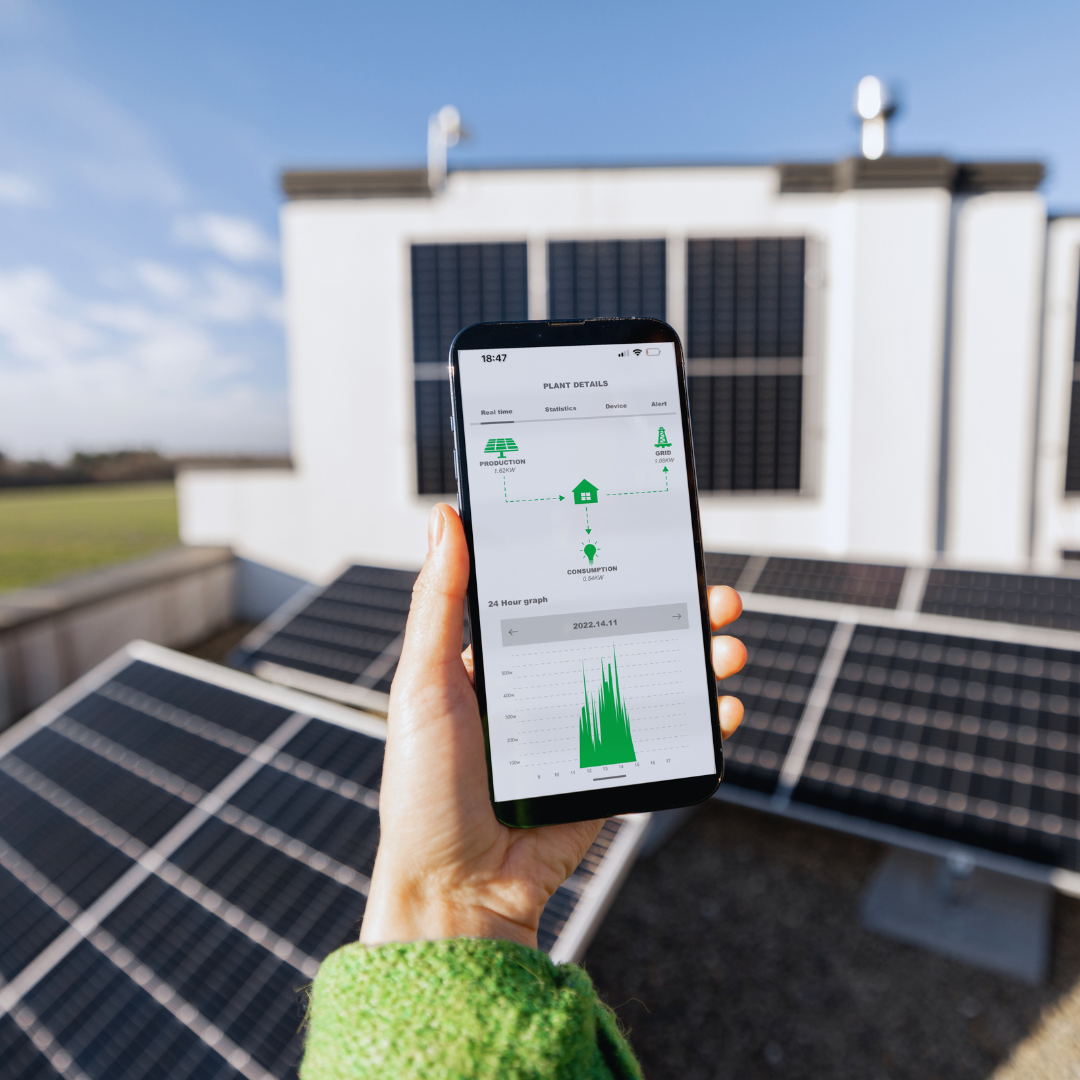
  • Performance Monitoring: Many systems come with monitoring applications. These tools track energy production in real-time and alert homeowners to performance drops, which may indicate maintenance needs.

Maintaining and Monitoring Solar Equipment

Regular maintenance contributes significantly to solar energy systems’ longevity and functionality. Annual professional inspections are recommended. Technicians can assess inverter performance and inspect wiring for any signs of wear.

  • Battery Health: If the system includes battery storage, checking battery levels and electrolyte fluid (for flooded batteries) is crucial. Keeping batteries charged properly ensures efficient energy storage and usage.
  • Documentation: Keeping a log of maintenance activities can aid in troubleshooting issues. Detailed records help identify patterns, which can inform future maintenance or optimizations.

Safety Tips for Solar Energy Use

Safety is paramount when installing and maintaining solar systems. Here are key tips for ensuring safe operation:

  • Electrical Safety: Always turn off the inverter and solar panels before performing maintenance. Use insulated tools to minimize electrocution risks.
  • Inspection Protocol: Inspect mounting hardware regularly. Look for loose bolts or signs of weather damage to avoid panel dislodgement.
  • Professional Help: Complex issues should only be handled by qualified technicians. This helps prevent accidents and ensures compliance with local electrical codes.

By following these guidelines, homeowners can enjoy reliable solar power while ensuring their system operates efficiently and safely.

How Cloud Computing Supports Renewable Energy Data Analysis for Enhanced Sustainability

As the world shifts towards sustainable energy solutions, the integration of cloud computing plays a crucial role in enhancing renewable energy data analysis. Cloud computing provides the necessary scalability and processing power to analyze vast amounts of data generated by renewable energy sources like solar and wind. This capability enables energy providers to optimize operations, forecast energy production, and improve grid management.

With real-time data access and advanced analytics, cloud-based platforms facilitate more effective decision-making for energy stakeholders. These platforms can aggregate data from multiple sources, enabling comprehensive insights that help in understanding energy trends, performance metrics, and efficiency improvements. The combination of cloud technology and renewable energy systems creates a more agile and responsive energy landscape.

Investing in cloud-based solutions not only supports more innovative approaches to renewable energy management but also drives cost efficiencies. By leveraging the cloud, organizations can reduce infrastructure costs while gaining access to powerful analytical tools that enhance energy sustainability efforts.

The Role of Cloud Computing in Renewable Energy Data Analysis

Cloud computing is essential for transforming how data analytics is conducted within the renewable energy sector. It enhances scalability, enables advanced cloud-based technologies, and improves data management and resource allocation.

Enhancing Data Analytics Through Scalability

Cloud computing allows renewable energy companies to scale their data analytics capabilities rapidly. With platforms such as Microsoft Azure, organizations can process vast amounts of data without the constraints of on-premise hardware.

This scalability means that they can analyze data streams from various sources, including solar panels, wind turbines, and smart grids. As data volumes fluctuate, cloud services like SaaS (Software as a Service) automatically adjust to keep systems efficient.

The ability to scale dynamically ensures that renewable energy firms can react quickly to new data insights, improving decision-making processes.

Cloud-Based Technologies for Renewable Energy Insights

Cloud-based technologies support real-time monitoring and analysis of renewable energy systems. By integrating IoT (Internet of Things) devices and sensors with cloud platforms, organizations can capture operational data continuously.

These technologies facilitate advanced data analytics, enabling users to generate actionable insights. For instance, predictive analytics can identify maintenance needs for wind turbines before failures occur.

Additionally, tools within cloud computing services allow for simulations and modeling of energy production. These features help organizations optimize renewable energy deployments and enhance overall efficiency.

Data Management and Resource Allocation

Effective data management underpins successful renewable energy operations. Cloud computing enables organizations to centralize their data management processes, ensuring that information is easily accessible.

By employing cloud solutions, companies can allocate resources more effectively. They can track energy consumption patterns and forecast demand, leading to better resource distribution across energy assets.

Moreover, scalable storage options provided by cloud services allow for the preservation of historical data. This is crucial for performing long-term analysis and for regulatory compliance within the renewable energy sector.

Optimizing Efficiency and Sustainability with Cloud Solutions

Cloud computing plays a vital role in enhancing energy efficiency and sustainability in renewable energy data analysis. By leveraging cloud solutions, organizations can improve operational performance while minimizing their carbon footprint.

Energy Consumption and Operational Efficiency

Cloud computing allows organizations to significantly reduce energy consumption. Data centers that utilize cloud technologies often benefit from advanced cooling systems and energy-efficient hardware, leading to lower overall energy use.

These data centers can optimize workloads by distributing tasks across multiple servers. This leads to fewer idle resources, improving operational efficiency. As a result, organizations can analyze renewable energy data more effectively while consuming less energy.

Green Cloud Computing and Environmental Impact

Green cloud computing focuses on using energy-efficient technologies and practices to reduce environmental impact. Cloud providers often prioritize renewable energy sources for their data centers. This reduces reliance on fossil fuels and helps lower greenhouse gas emissions.

Moreover, many cloud providers commit to sustainability initiatives, such as carbon offset programs. These efforts support organizations aiming to be environmentally responsible while benefiting from state-of-the-art technological advancements.

Cost Reduction and Increased Productivity

Adopting cloud solutions can lead to substantial cost savings for organizations. With pay-as-you-go pricing models, enterprises can avoid hefty upfront investments in infrastructure. They can scale resources according to demand, which minimizes wasted expenditures.

Increased productivity is another benefit of cloud computing. Employees can access data and applications from anywhere, enabling collaboration and faster decision-making. These efficiencies ultimately contribute to better performance, making organizations more competitive in the renewable energy sector.

Transformative Technologies and Applications in Renewable Energy

The integration of transformative technologies enhances the efficiency and reliability of renewable energy systems. Advanced analytics, machine learning, and artificial intelligence contribute significantly to data-driven decision-making in various aspects of energy production and maintenance.

Advanced Analytics and Machine Learning for Data Insights

Advanced analytics and machine learning utilize big data to derive actionable insights from vast amounts of energy-related data. Algorithms process historical and real-time data to identify patterns and trends in energy consumption and production.

These insights enable operators to optimize energy distribution and reduce waste. Machine learning models can also adapt to changing conditions, improving predictive capabilities. The application of these technologies results in enhanced operational efficiency and supports the transition to clean energy sources.

Predictive Maintenance Using Artificial Intelligence

Artificial intelligence is pivotal in implementing predictive maintenance strategies within renewable energy systems. By analyzing data from sensors and operational logs, AI can foresee potential equipment failures before they occur.

This approach minimizes downtime and repair costs. Predictive maintenance enhances the reliability of turbines, solar panels, and other renewable technologies. Consequently, energy providers can maintain higher production levels while ensuring equipment operates smoothly and efficiently.

Renewable Energy Forecasting and Integration

Renewable energy forecasting is crucial for integrating various energy sources into the grid. Accurate forecasting models leverage machine learning algorithms to predict energy production from wind, solar, and other renewables based on weather patterns and historical data.

This information helps energy managers maintain grid stability. Moreover, effective integration reduces reliance on fossil fuels, contributing to a cleaner energy landscape. By utilizing advanced analytics, energy organizations can optimize their operations while supporting sustainable energy initiatives.

Sustainability Goals and Future Research Directions

The integration of cloud computing into renewable energy systems plays a pivotal role in achieving complex sustainability objectives. It can enhance data analysis, facilitate efficient energy management, and drive innovations that benefit the environment and biodiversity.

Achieving Sustainability Objectives in Energy Sectors

Cloud computing enables energy sectors to meet sustainability goals by optimizing resource utilization. With advanced data analytics, organizations can monitor and reduce energy consumption across operations.

Key metrics such as carbon footprint and energy efficiency can be tracked with greater precision. This leads to better decision-making and strategic planning for renewable energy projects. Significant cost savings often accompany the adoption of such technologies, benefiting both the environment and the business’s bottom line.

Biodiversity and Broader Environmental Benefits

The environmental advantages of cloud computing extend beyond energy efficiency. By leveraging cloud-based platforms, organizations can analyze the impact of energy projects on local ecosystems.

This approach allows for the development of strategies that minimize ecological disruption. For instance, predictive analytics can help assess potential threats to biodiversity before they arise. Incorporating wildlife protection measures into energy projects fosters a more balanced relationship between development and nature.

Innovations and Research Trends

Future research should focus on innovative cloud solutions that further enhance renewable energy systems’ sustainability. Research might explore how emerging technologies, such as artificial intelligence and machine learning, can predict energy demands and optimize supply chains.

Also, improvements in data center infrastructure can play a role in enhancing energy efficiency. Developing eco-friendly data centers that utilize renewable energy sources will reduce the overall environmental impact. This aligns with global sustainability initiatives and can foster a culture of continuous improvement in energy management practices.


How Renewable Energy is Influencing Mobile Phone Manufacturing Practices

The push for sustainable practices has reached the mobile phone manufacturing industry, driven largely by the rise of renewable energy sources. Renewable energy is changing how mobile phones are made, enabling manufacturers to reduce their carbon footprint while meeting the increasing demand for eco-friendly products. This shift not only aligns with global environmental goals but also influences consumer preferences towards more sustainable options.

As companies seek to incorporate renewable energy in their operations, they are discovering innovative ways to improve efficiency and reduce costs. The integration of solar and wind power in production processes enhances the sustainability of mobile devices, encouraging brands to adopt greener supply chains. This trend is reshaping the competition among manufacturers as they strive to distinguish themselves in a marketplace increasingly focused on environmental responsibility.

The impact of renewable energy extends beyond just production. It also influences the lifecycle of mobile phones, from the sourcing of materials to end-of-life recycling programs. With the industry’s ongoing commitment to adopting renewable energy, consumers can expect to see more eco-conscious devices that reflect a growing awareness of sustainability in technology.

The Crucial Role of Renewable Energy in Mobile Phone Manufacturing

Renewable energy is transforming mobile phone manufacturing by providing sustainable power sources and enhancing energy efficiency. The integration of renewable energy solutions significantly impacts production processes and reduces the environmental footprint of manufacturing facilities.

Renewable Energy Sources Powering Factories

Manufacturers increasingly rely on renewable energy sources such as solar and wind to power their factories. These sources contribute to a cleaner production environment, decreasing dependence on fossil fuels.

For instance, companies can choose to install solar panels on factory rooftops or utilize nearby wind farms. Investing in these renewable energy sources not only lowers greenhouse gas emissions but also stabilizes energy costs over time.

Reducing Energy Consumption During Production

Energy consumption during production is a critical factor in the overall sustainability of mobile phone manufacturing. By utilizing energy-efficient machinery and alternative energy sources, manufacturers can drastically cut energy use.

Implementing energy management systems allows companies to monitor and optimize energy consumption. This proactive approach helps identify areas for improvement, ultimately leading to reduced operational costs and minimized environmental impact.

Solar Panels and Wind Turbines in Manufacturing Facilities

Solar panels and wind turbines are becoming common features in manufacturing facilities dedicated to mobile phone production. These technologies harness renewable energy directly on-site.

  • Solar Panels: Often installed on rooftops, solar panels can supply a significant portion of energy needs during daylight hours. This reduces reliance on grid electricity.
  • Wind Turbines: For factories located in areas with consistent wind, small-scale turbines can further enhance energy independence.

In addition to meeting energy requirements, these installations contribute to a positive corporate image by showcasing a commitment to sustainability.

Impact on Environmental Sustainability and Operational Costs

Renewable energy’s integration into mobile phone manufacturing significantly influences environmental sustainability and operational costs. Key aspects include a reduction in greenhouse gas emissions, the adoption of sustainable practices, and enhancements in energy efficiency.

Lowering Greenhouse Gas Emissions and Carbon Footprint

Incorporating renewable energy sources, such as solar and wind, reduces reliance on fossil fuels in mobile phone manufacturing. This shift contributes to substantial decreases in greenhouse gas emissions.

Companies harnessing renewable energy can achieve a lower carbon footprint. By implementing cleaner production methods, they can meet regulatory compliance and enhance their brand reputation.

Studies show that using renewable energy can cut total emissions by up to 50%. This impacts not only the environment but also operational efficiencies over time.

Sustainable Practices and Material Choices

Mobile manufacturers incorporate advanced materials to increase sustainability. For instance, using recycled metals and biodegradable plastics supports greener practices.

Companies are also investing in sustainable supply chains. This involves selecting suppliers committed to eco-friendly processes.

Engaging in practices such as these can reduce waste by approximately 30%. This not only aids in environmental conservation but can attract environmentally conscious consumers, further enhancing brand loyalty.

Energy Efficiency and Cost Reduction

Adopting renewable energy sources often leads to improved energy efficiency in manufacturing processes. This can manifest as lower energy bills for facilities.

Investing in energy-efficient technologies, like solar panels or wind turbines, can result in significant cost savings. Companies may see a return on investment within a few years due to reduced energy expenses.

Moreover, energy-saving practices contribute to a more predictable budget. Companies can allocate resources more effectively, ensuring better financial management in the long term.

Technological Innovations Influenced by Renewable Energy

Renewable energy is shaping technological advancements in mobile phone manufacturing. This influence manifests through initiatives in artificial intelligence, 3D printing, product quality enhancement, and the evolution of supply chains.

Integration of Artificial Intelligence (AI) and 3D Printing

The incorporation of AI into mobile phone manufacturing streamlines various processes. AI optimizes production schedules and predicts maintenance needs, reducing downtime.

3D printing complements these advancements by enabling rapid prototyping. This technology allows manufacturers to create complex components quickly, minimizing waste and energy consumption. With renewable energy powering these operations, both AI and 3D printing can leverage sustainable practices, reducing the carbon footprint throughout the production cycle.

This sustainable approach to prototyping is especially useful when companies transition from design to physical testing. Many businesses use short run manufacturing to produce these initial batches without the high costs of full-scale production. This method allows teams to evaluate product performance and gather user feedback in real-world conditions. It also helps minimize material waste by only creating the exact number of parts needed for evaluation. Ultimately, this step is a practical way to refine a product before committing to large-scale fabrication.

Enhanced Product Quality and Manufacturing Ecosystem

Improved energy efficiency driven by renewable sources has directly influenced product quality. Manufacturers can invest in advanced quality control systems, which rely on real-time data analysis enabled by AI.

Sustainable energy reduces reliance on non-renewable resources, allowing for cleaner production processes. A focus on renewable energy sources also encourages overall transparency within the manufacturing ecosystem. This transparency fosters consumer trust in the products made, creating a positive feedback loop that enhances brand reputation and product appeal.

Evolving Supply Chains and Supply Chain Management

Renewable energy impacts supply chains significantly by promoting local sourcing of materials. This approach shortens transportation distances, resulting in lower emissions.

Moreover, supply chain management systems now utilize AI-driven analytics to forecast demand and identify optimal sourcing strategies. Renewable energy provides a steady power supply, allowing for uninterrupted operations even in remote areas. This stability enhances resilience against disruptions, making supply chains more efficient and sustainable in the long term.

Future Trends and Challenges in Sustainable Mobile Phone Manufacturing

The shift towards renewable energy is transforming mobile phone manufacturing. Manufacturers face both opportunities and challenges as they adopt renewable products and practices that align with market demands.

Transitioning From Fossil Fuels to Renewable Energy Products

Mobile phone manufacturers are gradually moving away from fossil fuels in their production processes. This transition relies on integrating renewable energy sources, such as solar and wind, into factory operations. For instance, companies are investing in photovoltaic technology to power facilities.

Transitioning reduces carbon footprints and lowers production costs in the long term. While the initial investment in sustainable technologies can be high, the market price of renewable energy has been decreasing, making it more viable. These changes contribute to a more sustainable manufacturing ecosystem, appealing to eco-conscious consumers.

Balancing Supply and Demand in a Global Energy Market

The global energy market presents challenges, particularly in balancing supply and demand while integrating renewable sources. As demand for smartphones rises, manufacturers must ensure a consistent energy supply for production.

Fluctuations in energy availability can impact manufacturing schedules and increase costs. Companies may need to adapt production lines to utilize energy when it is most abundant, which often requires flexible operational strategies. Such adaptations are crucial for maintaining competitive pricing and meeting market expectations.

Role of Energy Storage and Power Grid Integration

Energy storage solutions play a vital role in the effective integration of renewable energy in manufacturing. They help store excess energy generated during peak production times for later use. This ensures a steady energy supply even when renewable sources are inconsistent.

Investing in advanced battery technologies allows manufacturers to enhance efficiency. Integrating these systems with the existing power grid can also optimize energy usage. This approach supports electrification efforts in mobile phone production, reducing reliance on non-renewable energy sources and fostering sustainability.

Recycling and Environmental Awareness Initiatives

Recycling initiatives are increasingly important in sustainable mobile phone manufacturing. Manufacturers are implementing programs to reclaim materials from old devices, reducing waste and resource extraction.

Raising environmental awareness among consumers can enhance participation in recycling efforts. Many companies are now designing products with recyclability in mind, facilitating easier disassembly and resource recovery. Wireless technology also plays a role, as devices enable improved tracking and collection of recyclable materials, thereby promoting a circular economy in smartphone production.


How Renewable Energy is Powering the Future of Technology: Innovations and Impacts

The rapid advancement of technology has increasingly intertwined with the need for sustainable solutions. Renewable energy sources, such as solar, wind, and hydropower, are not just alternatives; they are integral to powering the future of technology. This shift supports innovation while addressing environmental challenges.

As industries embrace cleaner energy, they reduce carbon footprints and operational costs. Innovations in renewable energy technology continuously evolve, enhancing efficiency and reliability. Companies increasingly rely on these sustainable sources to meet energy demands while contributing to a greener planet.

The integration of renewable energy into technological development signifies a pivotal change in how society approaches energy consumption. This transformation is crucial not only for businesses but also for consumers who demand eco-friendly products and services. Embracing renewable energy can lead to a more sustainable and technologically advanced future.

The Role of Renewable Energy in Shaping Technological Advancements

Renewable energy is not only transforming the energy landscape but also driving significant technological advancements. This transition promotes innovation and efficiency across various sectors, addressing sustainability challenges.

Transitioning From Fossil Fuels to Clean Energy

The shift from fossil fuels to clean energy sources like wind, solar, and hydro is critical. It supports the development of new technologies aimed at reducing carbon emissions.

Economies are investing in renewable infrastructure, which stimulates job creation and economic growth. Countries are also adopting policies that prioritize sustainable energy solutions, fostering innovation in technology.

Technologies such as energy storage systems and smart grids are emerging to enhance the reliability and efficiency of renewable sources. This transition is essential for achieving global sustainability goals.

Impact on Power Generation and Energy Consumption

Renewable energy significantly influences power generation methods by shifting reliance towards sources like solar, wind, and other choices. Other clean energy options include CNG, propane, and other alternatives. This transition reduces carbon emissions, lowers environmental impact, and supports long-term energy security. As a result, energy systems become more efficient and resilient while helping businesses and communities move toward a more sustainable future.

The active integration of such sustainable options in commercial spaces, like hotels, warehouses, and offices, allows them to generate their own power. This autonomy reduces energy costs and enhances energy security, especially when supported by reliable providers like Propane Solutions, Inc. They help ensure a consistent and efficient fuel supply for diverse operational needs.

Additionally, energy consumption patterns are also evolving as both business owners and consumers become more aware of how and where energy is used. This increased awareness is driving a shift toward smarter practices, such as monitoring usage, investing in energy-efficient equipment, and adopting cleaner energy sources.

Integration With Automation and Artificial Intelligence

The synergy between renewable energy and automation, along with artificial intelligence (AI), drives efficiency. Smart technology allows for the real-time monitoring and management of energy systems.

AI algorithms analyze data from renewable sources to predict energy needs and optimize generation. This integration enhances the performance of smart grids, ensuring a consistent and reliable energy supply.

Additionally, automation in energy management systems reduces human error and improves operational efficiency. These advancements contribute to a more sustainable energy future, aligning technology with environmental goals.

Core Technologies Transforming the Energy Landscape

Advancements in renewable energy technologies are reshaping the energy landscape. Key innovations in solar, wind, energy storage, and distributed energy resources are critical to driving a sustainable future.

Advances in Solar Energy and Photovoltaics

Solar energy has made significant strides, particularly through improved photovoltaic (PV) technologies. Modern solar panels utilize advanced materials like perovskite, enhancing efficiency rates up to 25%.

Solar farms are being developed at larger scales, providing substantial power generation. Rooftop solar panels are also gaining traction, allowing homeowners to generate their own electricity, contributing to energy independence.

Innovative designs and bifacial panels—capable of capturing sunlight from both sides—further increase energy capture. With reduced costs due to economies of scale, solar power is increasingly accessible for widespread adoption.

The Evolution of Wind Power and Offshore Wind

Wind energy has evolved dramatically in recent years. Turbine technology has advanced significantly with larger, more efficient models capable of harnessing wind at varied heights.

Offshore wind farms present a promising frontier, exploiting consistent wind patterns over water. These installations can generate up to 50% more energy than their onshore counterparts due to less turbulence and higher wind speeds.

Additionally, floating wind turbines are being developed, allowing installations in deeper waters. This expansion enables more countries to invest in renewable wind energy with minimal environmental disruption.

Energy Storage Systems and Lithium-Ion Batteries

Energy storage is vital for addressing the intermittent nature of renewable sources. Lithium-ion batteries, widely used for energy storage systems, play a crucial role in maintaining supply when generation is low.

These batteries provide rapid response times, essential for grid stability. They store energy generated from solar and wind, releasing it during peak demand periods, thus enhancing reliability.

Innovative battery technologies, such as solid-state batteries, promise higher capacity and safety. As storage costs decrease, battery energy storage systems will become standard for integrating renewables into energy grids.

The Importance of Distributed Energy Resources

Distributed energy resources (DERs) encompass local energy generation, such as rooftop solar and small wind turbines. They reduce transmission losses and increase the resilience of energy grids.

DERs empower consumers by allowing them to generate and manage their own energy. Community solar projects enable shared access, making renewable energy more equitable.

Furthermore, smart grid technology facilitates the integration of DERs, enhancing grid efficiency and reliability. As these resources grow, they will become central to a decentralized energy infrastructure, promoting sustainability and lower emissions.

Smart Infrastructure and the Digital Transformation

Smart infrastructure plays a crucial role in the integration of renewable energy sources and the evolution of technology. By utilizing innovative grid technologies, this transformation enhances energy resilience and efficiency.

Developing a Robust and Resilient Smart Grid

A smart grid incorporates advanced digital technologies into the traditional power grid. It improves monitoring and management of energy flow, enhancing reliability.

Key elements of a robust smart grid include:

  • Real-time monitoring: Provides immediate feedback on energy distribution.
  • Decentralized control: Empowers local energy production and management.
  • Integration of renewables: Supports solar, wind, and other renewable sources.

These improvements help to reduce outages and increase the capacity for distributed energy resources.

Real-Time Data, Sensors, and Machine Learning Applications

Real-time data is essential for optimizing grid performance. By employing sensors throughout the infrastructure, operators can gather and analyze data continuously.

Machine learning applications process this data to:

  • Predict energy demand.
  • Optimize generation and distribution.
  • Enhance grid efficiency.

This approach allows for adaptive responses to changes in energy flow, ensuring optimal usage of renewable sources while minimizing waste.

Microgrids Enhancing Community-Level Energy Solutions

Microgrids are localized energy networks that can operate independently. They enhance community energy resilience by integrating renewable sources and storage solutions.

Benefits of microgrids include:

  • Increased reliability during outages.
  • Tailored energy solutions for local needs.
  • Facilitation of community-driven energy management.

They can provide cleaner energy solutions while enabling communities to participate in their energy systems actively.

Power Electronics and Transformers in Next-Gen Grid Technology

Power electronics are vital for the advancement of grid technology. They enable efficient conversion and management of electricity generated from renewable sources.

Key aspects include:

  • Advanced transformers: Improve voltage regulation and reduce losses.
  • Efficient inverters: Facilitate the integration of solar and wind energy.

These technologies support a flexible grid that can adjust to varying energy demands and enhance overall resilience. Integrating modern power electronics increases the smart grid’s capability to manage fluctuations effectively, ensuring reliability and efficiency.

Renewable Energy’s Impact on Sustainable Innovation and Economic Growth

Renewable energy is shifting industries toward more sustainable practices, fostering innovation, and driving economic growth. Its integration across various sectors not only enhances efficiency but also contributes to reducing carbon footprints. This transformation significantly influences how technology evolves in today’s market.

Driving Efficiency and Reducing Carbon Emissions

The transition to renewable energy sources like solar and wind is pivotal in improving energy efficiency. By utilizing these sustainable options, companies can significantly cut down on carbon emissions. In 2023, businesses adopting renewable sources reported an average emission reduction of 40%, showcasing a direct link between renewable energy use and environmental impact.

Incorporating smart energy management systems further boosts efficiency. These systems optimize energy consumption in real-time, ensuring that waste is minimized. Implementing advanced technologies promotes sustainability and expedites the adoption of cleaner practices throughout various sectors.

Influence on Electric Vehicles and Clean Technologies

Renewable energy plays a crucial role in the advancement of electric vehicles (EVs). As energy sources shift from fossil fuels to renewables, the carbon footprint of EVs decreases. This shift boosts the market share of electric vehicles, projected to reach 30% of global sales in 2025.

Moreover, cleaner energy sources inspire innovation in batteries and charging infrastructure. Companies are investing heavily in developing batteries that can store renewable energy more efficiently, enhancing the viability of EVs. Investment trends indicate a growth of over 50% in financing related to clean technologies in the automotive sector.

The Role of Finance in Powering Clean Innovation

Financial support is essential for driving renewable energy projects and innovations. Investment firms are increasingly focused on sustainability, directing funds toward technologies that promote clean energy. In 2024, it was reported that green finance options accounted for nearly 20% of all corporate bonds issued, reflecting a growing commitment to sustainability.

The increasing interest in carbon credits also presents new financial opportunities. Companies can trade credits based on their carbon reduction efforts, incentivizing cleaner practices. This financial framework encourages innovation by providing resources for startups and businesses aiming to develop sustainable technologies.

Transforming Data Centers and Manufacturing

Data centers are among the largest energy consumers globally. Switching to renewable energy significantly reduces their carbon footprints. For instance, major tech companies have committed to powering their data centers with 100% renewable energy by 2025.

In manufacturing, renewable energy leads to enhanced operational efficiency. Facilities harnessing solar panels or wind turbines can decrease dependence on natural gas and other fossil fuels, resulting in lower energy costs. This economic advantage can allow manufacturers to reinvest savings into research and development, further driving innovation in clean technologies.


How Renewable Energy Technology is Reducing Global Carbon Footprints Through Innovative Solutions

The world is at a crucial juncture in the fight against climate change. Transitioning to renewable energy sources has emerged as a key strategy that can significantly mitigate environmental impacts. Innovative renewable energy technologies are actively reducing global carbon footprints by replacing fossil fuels with cleaner alternatives.

As governments and businesses increasingly invest in solar, wind, and hydroelectric power, the shift is becoming more pronounced. These options not only produce energy with little to no emissions but also foster advancements in energy efficiency and storage solutions. The integration of smart grids and energy management systems further amplifies these benefits, enabling more effective distribution and consumption.

Adopting these technologies is not just beneficial for the planet; it also drives economic growth and job creation in emerging sectors. With the potential to reshuffle the energy landscape and lessen dependence on non-renewable resources, the momentum toward greener solutions offers hope for a more sustainable future.

The Role of Renewable Energy in Reducing Global Carbon Footprints

Renewable energy plays a crucial role in mitigating climate change by providing cleaner alternatives to fossil fuels. Transitioning to these sustainable technologies reduces carbon emissions and addresses the pressing need for environmental stewardship.

Transition from Fossil Fuels to Clean Energy

The shift from fossil fuels to renewable energy sources like solar, wind, and hydroelectric power is essential for reducing carbon footprints. Fossil fuels are significant contributors to carbon dioxide emissions and greenhouse gas emissions.

By adopting technologies such as solar panels and wind turbines, communities and industries can significantly cut their reliance on oil, coal, and natural gas. This transition not only lowers carbon emissions but also promotes energy independence and diversification. Working with experienced solar installers pa or elsewhere ensures that these systems are implemented efficiently, maximizing both environmental and economic benefits.

Understanding Carbon Footprints and Emissions

A carbon footprint measures the total greenhouse gas emissions produced directly and indirectly by individuals or organizations. It is typically expressed in tons of carbon dioxide equivalents.

Carbon emissions from traditional energy sources are a leading cause of climate change. Renewable energy sources produce little to no emissions during operation, making them vital for minimizing overall footprints. By integrating clean energy systems, society can curtail its collective carbon footprint substantially over time.

Impact on Climate Change and Global Warming

Renewable energy significantly influences climate change mitigation efforts by lowering global warming potential. Increased adoption of clean technologies helps reduce CO2 emissions, contributing to a stable climate.

As renewable energy sources generate electricity without producing greenhouse gases, they directly combat global warming. Investments in these technologies lead to a decrease in the atmospheric concentration of carbon dioxide, fostering healthier ecosystems and communities.

Innovations in Renewable Energy Technology

Recent advancements in renewable energy technology have significantly enhanced energy efficiency and reduced carbon footprints. Innovations in solar panels, wind turbines, and the emergence of green hydrogen are central to this evolution.

Advances in Solar Panels and Solar Power

Solar panel technology has progressed rapidly, leading to higher efficiency and lower costs. New materials like perovskite have emerged, offering potential efficiencies exceeding 30%. These advancements enable greater energy generation from smaller surfaces.

Additionally, technologies like bifacial solar panels capture sunlight from both sides, increasing output. Integrated solar solutions, such as building-integrated photovoltaics (BIPV), further optimize space by combining solar functions with building materials. Increased adoption of solar power results in reduced reliance on fossil fuels.

As solar power adoption continues to grow, it’s important to work with experienced installers to ensure optimal performance. Companies like West Texas Solar and other reputable providers can help design and install solar panel systems that maximize energy generation, making it easier for homes and businesses to reduce reliance on fossil fuels while enjoying long-term saving.

A truly comprehensive approach to solar integration extends beyond just the physical setup. It involves meticulous engineering, navigating complex permitting processes, and ensuring seamless construction, whether for residential or commercial properties. Such full-service providers often handle everything from initial site assessment to securing rebates, guaranteeing a smooth transition to clean energy.

This holistic support ensures that the entire solar power installation project is managed efficiently, maximizing both energy output and long-term savings for the client. Choosing a partner that offers end-to-end solutions provides peace of mind and optimizes the return on investment.

Securing these valuable physical assets is another major part of setting up a commercial solar site. Large solar arrays are often built in open, rural areas where they are vulnerable to theft and trespassers. Installing strong perimeter security helps protect the expensive equipment and keeps the public safe from high-voltage hazards. Experienced Fencing Companies supply and install durable boundary systems that meet strict safety standards. These installations keep the site secure and allow authorized maintenance teams to access the panels safely.

Wind Turbines and Their Efficiency

The efficiency of wind turbines has improved through larger rotor diameters and advanced blade designs. Modern turbines can generate power at lower wind speeds, making wind energy more accessible in varied locations.

Innovative materials and designs have reduced weight, enhancing mobility and installation. Offshore wind farms benefit from consistent wind patterns, yielding higher generation capacity. These developments boost energy output while minimizing land use, contributing to a sustainable future.

Emergence of Green Hydrogen

Green hydrogen production involves using renewable energy sources to split water through electrolysis. This process generates hydrogen without emitting carbon dioxide.

Advancements in electrolyzer technology have reduced costs and increased efficiency, making green hydrogen a viable alternative energy carrier. Countries are investing in this sector to decarbonize industries and fuel cells in transportation.

As infrastructure develops, green hydrogen has the potential to significantly reduce greenhouse gas emissions while providing a reliable energy source.

Sectoral Impacts and Sustainable Solutions

The transformation induced by renewable energy technology is profound across various sectors. Each area is adopting sustainable solutions that significantly lower carbon footprints while enhancing efficiency.

Energy Sector Transformation

The energy sector is experiencing a dramatic shift towards renewable sources, primarily solar and wind. These technologies are now integral in reducing dependency on fossil fuels.

Key advancements include:

  • Smart Grids: These systems enable better energy management and reduce waste.
  • Energy Storage: Innovations in battery technology, particularly lithium-ion, facilitate the integration of intermittent renewable sources.

As a result, countries can achieve greater energy independence and harness cleaner power more effectively.

Role of Electric Vehicles and Lithium-Ion Batteries

Electric vehicles (EVs) play a crucial role in lowering emissions from the transportation sector. Transitioning from internal combustion engines to EVs reduces greenhouse gases significantly.

Lithium-ion batteries are vital for this transition.

Benefits of Lithium-Ion Batteries:

  • High energy density allows for longer ranges.
  • Lower life cycle emissions compared to conventional fuels.

With increased charging infrastructure, EV adoption continues to soar, promoting a shift toward a sustainable transportation model.

Promoting Energy Self-Sufficiency

Energy self-sufficiency enhances national security and reduces reliance on imported fuels. By investing in local renewable resources, countries can foster resilience against price fluctuations in global markets.

Strategies for promoting self-sufficiency include:

  • Decentralized Energy Systems: Microgrids and local power generation reduce transmission losses.
  • Incentives for Home Solar: Tax benefits and subsidies encourage residential investments in renewable energy.

This shift encourages communities to generate energy from sustainable sources, decreasing their carbon footprints.

Recycling and the Circular Economy

Recycling is crucial in promoting sustainability within the renewable energy sector. It reduces waste while recovering critical materials used in energy technologies.

Focus areas in recycling include:

  • Lithium-Ion Batteries: Programs are emerging to recycle old batteries, recovering materials like lithium and cobalt.
  • Solar Panel Reuse: Third-party companies are developing processes for repurposing or recycling solar panels at the end of their lifecycle.

These efforts contribute to a circular economy by minimizing resource extraction and maximizing material reuse, thereby supporting sustainable energy growth.

Challenges and Opportunities for a Sustainable World

Despite advancements in renewable energy technology, various barriers hinder large-scale adoption. Understanding these challenges is crucial in identifying opportunities that facilitate a sustainable future.

Barriers to Large-Scale Adoption

Several obstacles impede the widespread implementation of renewable energy. High initial costs for technology and infrastructure create financial hurdles for many stakeholders. Additionally, the existing dependency on fossil fuels poses resistance from established industries.

Regulatory challenges also arise due to varying policies across regions. Inconsistent incentives can limit investment in renewable projects. Moreover, public perception and limited awareness about renewable energy’s benefits frequently slow progress.

Infrastructure development is another critical barrier. Many areas lack the necessary grid capacity to support renewable energy integration. All these factors contribute to a complex landscape that requires careful navigation.

Policies Driving a Sustainable Future

Effective policies play a vital role in fostering a sustainable world. Governments can incentivize renewable energy adoption through tax credits, grants, and subsidies. These financial incentives stimulate investment, promoting innovative technologies.

International agreements, like the Paris Agreement, encourage collaboration among nations. Such frameworks establish targets for reducing carbon emissions and enhancing renewable energy utilization globally.

Public-private partnerships are also essential. They can enhance research and development, focusing on advancing renewable technologies. By fostering dialogue between sectors, these partnerships can lead to new solutions and sustainable practices.

In conclusion, a combination of strategic policies and collaborative efforts can create a resilient environment for renewable energy growth.


How to Embrace Tech Innovation While Promoting Sustainability: Strategies for a Greener Future

Embracing technology while promoting sustainability is not just a trend; it’s a necessity for a resilient future. Businesses and individuals alike are discovering that innovation can lead to greener practices and more efficient resource management. Tech solutions such as renewable energy systems, smart grids, and sustainable materials can enhance productivity while significantly reducing environmental footprints.

The intersection of technology and sustainability offers numerous opportunities for progress. By leveraging advancements like artificial intelligence and the Internet of Things (IoT), organizations can optimize operations, cut waste, and minimize their impact on the planet. These smart approaches are essential for those who seek to integrate eco-friendly practices into their daily operations.

As the demand for sustainable initiatives grows, adopting innovative technologies becomes crucial. Companies that proactively embrace these changes not only contribute to environmental protection but also position themselves as leaders in their industries. Exploring how to harness technology for sustainable goals can transform challenges into opportunities for lasting impact.

The Intersection of Technology and Sustainability

Technological advancements play a vital role in driving sustainable growth while addressing environmental challenges. Fostering innovation in technology can facilitate better practices in environmental stewardship and resource management.

Understanding Technological Innovation and Sustainable Growth

Technological innovation has the potential to enhance efficiency and reduce waste across industries. For example, advancements in renewable energy technologies, such as solar and wind, have significantly lowered carbon footprints.

Smart technologies, including IoT devices and AI, enable better data analysis and resource optimization, leading to reduced energy consumption. Companies are also integrating sustainable practices within their supply chains. This offers opportunities for innovation and helps achieve long-term sustainability goals.

A commitment to innovation in this context means investing in research and development. Financial incentives and supportive regulations can encourage the adoption of existing and emerging green technologies.

The Importance of Environmental Stewardship in the Digital Age

In the digital age, promoting environmental stewardship is crucial. Companies are increasingly expected to address their ecological impact while leveraging technology for profit.

Digital transformation provides tools to implement sustainable practices effectively. For instance, software solutions can track environmental performance metrics, assisting companies in setting and achieving sustainability targets.

Businesses embracing eco-friendly technologies are more likely to attract consumers who prioritize sustainability. Adopting practices like circular economy principles ensures resources are reused, reducing waste.

Leadership in sustainability not only fosters goodwill but also drives competitive advantage in the market. It is essential for companies to recognize the interconnectedness of technology and environmental stewardship to succeed in today’s economy.

Key Strategies for Embracing Tech Innovation Sustainably

Organizations seeking to balance technological advancement with sustainability can adopt several strategies. By integrating eco-friendly practices, leveraging data-driven insights, and fostering collaboration, they can create impactful solutions that drive both innovation and corporate responsibility.

Integrating Eco-Friendly Practices in IT Infrastructure

Building a sustainable IT infrastructure begins with selecting energy-efficient hardware and software solutions. This includes opting for servers that consume less power and implementing cloud services that optimize resource use.

Important Practices:

  • Virtualization: Reduces physical hardware needs.
  • Energy Management Software: Monitors and optimizes energy consumption.

The emphasis on eco-friendly practices also extends to sourcing materials responsibly and ensuring vendor sustainability certifications. Hence, implementing recycling programs plays a crucial role. The e-waste certification is an accreditation that verifies an organization, facility, or individual that meets specific standards for the responsible handling, recycling, and disposal of electronic waste. Organizations can collaborate with certified e-waste recyclers to ensure that disposed hardware doesn’t harm the environment.

Leveraging Artificial Intelligence and Data Analytics

Artificial intelligence (AI) and data analytics offer powerful tools for enhancing sustainable innovation. AI can optimize operations by predicting energy usage patterns and identifying areas for resource conservation.

Data-Driven Strategies Include:

  • Predictive Analytics: Helps in forecasting demand and reducing waste.
  • Energy Optimization Algorithms: Automatically adjusts power usage.

Moreover, organizations can utilize data analytics to measure sustainability metrics effectively. Tracking metrics related to carbon footprints or resource consumption informs decision-making and improves reporting on corporate responsibility.

Fostering Cross-Functional Collaboration and Community Engagement

Cross-functional collaboration enables diverse teams to share knowledge and develop innovative solutions for sustainability challenges. Bringing together IT, sustainability, and business units encourages holistic approaches.

Key Collaboration Practices:

  • Regular Workshops: Foster idea exchanges and collective problem-solving.
  • Sustainability Champions: Assign roles within teams to elevate focus on sustainable initiatives.

Community engagement enhances these efforts by involving stakeholders, including customers and local organizations, in sustainability initiatives. By developing partnerships, organizations can amplify their impact and drive more significant engagement related to tech innovations designed with sustainability in mind.

Technologies Driving Sustainable Transformation

Innovations play a crucial role in promoting sustainability across various sectors. Key technologies that contribute to this transformation include renewable energy systems, IoT applications, blockchain solutions, and advancements in data center efficiencies.

The Role of Renewable Energy and Clean Energy Solutions

Renewable energy sources, such as solar, wind, and hydro, are pivotal in reducing carbon emissions. They offer sustainable alternatives to fossil fuels and have seen significant cost reductions in recent years.

Clean energy solutions focus on minimizing the environmental impact of energy consumption. These include advanced battery storage systems that enhance energy reliability and efficiency. Energy storage technologies help manage fluctuations in energy supply and demand, making renewable energy more practical.

Governments and businesses increasingly invest in renewable energy projects to fulfill sustainability goals. Incentives and policies that promote clean technologies encourage wider adoption, benefiting both the economy and the environment.

Harnessing IoT, Blockchain, and Emerging Technologies

The Internet of Things (IoT) enables real-time data collection and monitoring. Smart sensors in buildings and factories can optimize energy use, reducing waste and improving efficiency.

Blockchain technology supports transparency in renewable energy markets. It allows for secure peer-to-peer energy trading, enhancing consumer participation and trust. This decentralized approach can lead to increased investment in local renewable projects.

Emerging technologies like artificial intelligence (AI) and machine learning contribute to predictive analytics. These tools can forecast energy consumption patterns, enabling better resource management and sustainability practices.

Optimizing Data Centers for Energy Efficiency

Data centers are significant consumers of energy. Innovations in design and technology aim to enhance their energy efficiency. Techniques such as virtualization reduce the number of physical servers needed, thereby lowering energy consumption.

Cooling systems represent a major component of energy use in data centers. Implementing advanced cooling techniques, like liquid cooling and free air cooling, can substantially lower energy usage.

Incorporating renewable energy into data center operations is becoming more common. This integration not only reduces reliance on non-renewable sources but also aligns with corporate sustainability initiatives.

Measuring and Reducing Environmental Impact

Measuring and reducing environmental impact is essential for organizations committed to sustainability. This involves tracking emissions, adopting circular economy principles, and implementing design thinking in product development.

Tracking Carbon Emissions and Environmental Footprint

Accurate tracking of carbon emissions is crucial for any sustainability strategy. Organizations can utilize carbon tracking software to assess their greenhouse gas emissions across operations.

Key metrics include:

  • Carbon Footprint: The total greenhouse gases emitted directly and indirectly.
  • Environmental Footprint: Broader measurements that include land, water, and pollution impacts.

By analyzing this data, businesses can identify high-emission areas. Consequently, targeted actions can be taken to reduce these emissions. Regular audits and third-party verification increase transparency and accountability.

Promoting Circular Economy and Sustainable Business Practices

A circular economy shifts focus from wasteful linear models to regenerative practices. This approach emphasizes recycling, reusing, and refurbishing materials to minimize environmental impact.

Businesses can adopt sustainable practices such as:

  • Source renewable materials
  • Implement take-back schemes
  • Optimize resource use

Integrating circular principles not only reduces waste but also helps in cutting costs. It fosters innovation and aligns with consumer preferences for eco-friendly products, thereby enhancing brand reputation.

Design Thinking for Sustainable Products and Services

Design thinking plays a vital role in creating sustainable products. This approach encourages interdisciplinary collaboration, focusing on user needs while minimizing environmental impact.

Key phases include:

  • Empathize: Understand user experiences and environmental concerns.
  • Define: Identify specific sustainability challenges.
  • Ideate: Brainstorm innovative solutions.

By prioritizing sustainable materials and efficient manufacturing processes, organizations can develop products that lower their carbon footprints. Additionally, this fosters a culture of sustainability within the organization, encouraging continuous improvement and adaptation to changing environmental standards.


How Wind Energy is Revolutionizing Clean Power Generation for a Sustainable Future

Wind energy has emerged as a pivotal player in the transition to sustainable power generation. Its ability to produce clean energy at scale significantly reduces reliance on fossil fuels, making it an essential component in combating climate change. Advances in technology are increasing efficiency and lowering costs, further solidifying wind power’s place in the energy landscape.

As governments and industries invest more heavily in renewable resources, the impact of wind energy becomes increasingly evident. This shift not only supports environmental goals but also fosters economic growth by creating new job opportunities in manufacturing, installation, and maintenance.

The rise of wind energy is transforming the way electricity is produced and consumed worldwide, proving that clean power is not just a possibility but a reality. The ongoing developments in this sector suggest a future where wind energy plays a leading role in the global energy mix.

The Evolution of Wind Energy

Wind energy has undergone significant transformations over the years, from its early use in sailing to its current role as a major player in the renewable energy sector. Key developments in turbine technology and the increasing shift from fossil fuels to clean energy sources have contributed to this evolution.

Historical Development of Wind Power

The use of wind energy dates back thousands of years. Ancient civilizations employed windmills for tasks such as grinding grain and pumping water. By the 19th century, large windmills emerged, especially in the American Midwest, to support farming.

Significant advancements occurred in the early 20th century when wind turbines were designed for electricity generation. The first commercially successful wind turbine was built in 1888 by Charles F. Brush in the United States.

In the late 20th century, concern over fossil fuel depletion and environmental damage prompted renewed interest in wind power. Governments began investing in wind energy research, leading to the establishment of wind farms in various countries.

Advancements in Turbine Design

Modern wind turbines are a product of continuous innovation. Today’s designs focus on efficiency, durability, and scalability. Key advancements include larger rotor blades that capture more wind and improved materials that reduce wear and tear.

Moreover, the integration of smart technology enhances turbine performance. For instance, sensors monitor wind conditions and adjust blades accordingly to optimize energy capture.

The installation of offshore wind farms has also become more prevalent, utilizing advanced engineering methods to withstand harsh marine environments. These developments have significantly increased the capacity and reliability of wind power generation.

Transition from Fossil Fuels to Clean Energy

The transition from fossil fuels to renewable energy sources, particularly wind power, reflects a broader move towards sustainability. This shift is driven by the need to reduce greenhouse gas emissions and combat climate change.

Governments around the world are implementing policies that favor clean energy investments. Incentives for wind energy adoption, such as tax credits and subsidies, encourage both individuals and corporations to invest in renewable sources.

The declining costs of wind energy technology have made it increasingly competitive with fossil fuels. In many regions, wind power now represents a cost-effective alternative, making it a crucial component of the global energy landscape.

Technological Innovations Driving Wind Energy

Recent advancements in wind energy technology are enhancing efficiency and sustainability in power generation. Innovations in turbine design, offshore installations, and energy storage are pivotal in optimizing wind energy systems for increased output and reliability.

Modern Wind Turbines and Efficiency

Modern wind turbines are designed to maximize energy capture while minimizing costs. Contemporary turbines, often exceeding 3 MW in capacity, feature larger rotor diameters and advanced blade designs that improve efficiency. These blades are engineered to harness a wider range of wind speeds while minimizing noise and vibration.

Sensors and digital technology play a crucial role in real-time monitoring and optimization. They allow for adaptive pitch control, altering blade angles based on wind conditions to optimize energy capture consistently. The integration of smart technologies has improved reliability and decreased maintenance costs, further boosting the efficiency of modern wind turbines.

Offshore and Floating Turbines

Offshore wind energy has gained prominence due to stronger and more consistent winds. Offshore turbines can be significantly larger than their onshore counterparts, leading to higher energy output. Recent innovations include floating turbine technology, which allows installation in deeper waters where wind resources are abundant.

Floating turbines utilize a buoyant platform anchored to the seabed, offering flexibility in location. This technology extends the reach of wind energy into areas previously considered unfeasible for traditional fixed-bottom turbines. Offshore and floating installations lead to increased capacity factors and enhanced grid integration.

Integration with Battery Storage

The integration of battery storage systems with wind energy technology is transforming how energy is managed. Energy storage allows for the mitigation of intermittency challenges associated with wind generation. BESS (Battery Energy Storage Systems) can store excess energy produced during peak wind conditions for use during low-output periods.

This synergy enhances grid reliability and stability, enabling a smoother transition to renewable sources. As energy storage technologies advance, the economic feasibility of integrating wind power with batteries improves, encouraging wider adoption and facilitating a cleaner energy future.

Wind Speed and Wind Direction Optimization

Optimizing wind speed and direction is essential for improving the performance of wind energy systems. Advanced meteorological tools and predictive analytics are now used to assess wind patterns at potential installation sites. This data informs turbine placement and can increase the energy capture significantly.

Innovative software models simulate different wind scenarios to determine the best turbine orientation. These insights allow operators to adapt their strategies, maximizing the energy extracted from varying wind conditions. Enhanced wind direction optimization leads to improved overall system efficiency and energy output.

Impact of Wind Energy on Clean Power Generation

Wind energy significantly influences the landscape of clean power generation through its ability to reduce carbon emissions, support large-scale electricity generation, and balance the environmental impacts associated with its infrastructure.

Reducing Carbon Emissions and Climate Change

Wind energy plays a critical role in lowering carbon emissions. By harnessing wind power, electricity generation can occur without releasing greenhouse gases. According to the U.S. Department of Energy, each megawatt-hour of wind energy produced can prevent approximately 1.6 tons of carbon dioxide from entering the atmosphere.

Transitioning to wind energy contributes to mitigating climate change. It supports global targets for reducing fossil fuel reliance, leading to a decrease in the overall carbon footprint. As nations commit to net-zero emissions, adopting wind power becomes essential.

Scaling Wind Farms for Utility-Scale Electricity Generation

The development of utility-scale wind farms allows for substantial contributions to the electricity grid. These wind projects typically consist of numerous turbines and can generate hundreds of megawatts. This level of output helps meet the growing energy demands of communities and industries.

Utility-scale wind farms are often combined with other renewable sources, like solar energy, enhancing energy reliability. By diversifying energy infrastructure, they help stabilize supply fluctuations common in renewable generation. Investment in these projects is vital for future energy strategies.

As renewable portfolios expand, connecting individual projects to the grid also becomes an engineering task rather than simply a generation question. For commercial solar developers and EPCs, utility review can require PE-stamped single-line diagrams, interconnection calculations, protection and equipment coordination studies, and technical plan sets. Specialist utility interconnection engineering helps prepare those technical deliverables so the proposed solar system can be evaluated against the utility’s interconnection requirements before it is connected to the grid.

Environmental Impacts and Sustainability

Wind energy is generally seen as a sustainable solution, but it is not without environmental impacts. The installation of wind farms requires land and can affect local wildlife. Birds and bats are particularly vulnerable, prompting developers to consider mitigation strategies.

Moreover, the lifecycle of wind turbines should be evaluated. Materials used in construction, along with end-of-life recycling processes, play roles in the overall sustainability of wind projects. Continuous improvement in turbine design and operation aims to reduce these impacts while maximizing the benefits of wind energy.

Integrating Wind and Solar into the Electrical Grid

The integration of wind and solar energy into the electrical grid presents unique opportunities and challenges. Successful implementation enhances reliability, reduces costs, and supports cleaner energy generation. This section explores hybrid systems, necessary upgrades to the electric power sector, and the financial implications of these integrations.

Hybrid Wind and Solar Power Systems

Hybrid wind and solar power systems combine the strengths of both energy sources. Wind turbines and solar panels can work in tandem, complementing each other’s production profiles.

For instance, solar generation peaks during daylight hours, while wind generation often increases during the evening or nighttime. This synergy can lead to a more stable power supply, reducing reliance on fossil fuels.

Even with these advanced grid integrations, ensuring uninterrupted power remains a critical concern for businesses and essential services, particularly in regions prone to weather events or grid fluctuations. While large-scale renewables enhance overall grid stability, local operational continuity often hinges on reliable backup systems.

Proactive maintenance and timely repairs of these critical power sources are paramount to prevent costly downtime and ensure consistent operations. For businesses in specific areas, having access to expert Grande Prairie generator repair services ensures that their local power infrastructure is always ready to perform when the primary grid faces challenges. This comprehensive approach to energy resilience combines both centralized renewable efforts and decentralized backup solutions.

Benefits of Hybrid Systems:

  • Increased Reliability: Consistent energy production.
  • Enhanced Efficiency: Optimal resource utilization.
  • Cost Effectiveness: Lower overall energy costs.

Upgrading the Electric Power Sector

To accommodate increased renewable energy, the electric power sector must undergo significant upgrades. Modernizing the grid involves enhancing transmission capabilities, implementing smart grid technology, and investing in energy storage solutions.

Smart grids use real-time data to optimize energy flow and improve grid reliability. Enhanced transmission systems enable this integration by reducing congestion and ensuring energy is efficiently delivered where it’s needed.

Key Upgrades Include:

  • Advanced Metering Infrastructure: Improves monitoring and management.
  • Energy Storage Systems: Store excess energy for later use.
  • Flexible Transmission Systems: Adapt to changing energy sources.

Levelized Cost of Energy in Renewable Integration

The levelized cost of energy (LCOE) provides crucial insights into the financial viability of integrating wind and solar power. LCOE represents the cost per unit of electricity generated over a project’s lifetime, accounting for both capital and operational expenditures.

Both wind and solar have seen significant reductions in LCOE through technological advancements and economies of scale. This decline makes them increasingly competitive against traditional energy sources.

Factors Influencing LCOE:

  • Technological Improvements: Enhanced efficiency of solar panels and wind turbines.
  • Regulatory Support: Incentives for renewable energy adoption.
  • Market Dynamics: Competition is driving prices down.

Investing in these technologies not only supports cleaner energy generation but also contributes to a more resilient electrical grid.


The Benefits of Transitioning to Electric Vehicles for Sustainability: A Key to Environmental Improvement

The transition to electric vehicles (EVs) presents a significant opportunity for enhancing sustainability across the globe. Shifting to electric vehicles can drastically reduce greenhouse gas emissions and reliance on fossil fuels, contributing to cleaner air and a healthier planet. As more individuals and businesses adopt EVs, the cumulative impact on the environment becomes increasingly positive.

In addition to their environmental benefits, electric vehicles offer economic advantages. They typically have lower operating costs compared to traditional gasoline-powered cars, thanks to reduced fuel and maintenance expenses. The burgeoning EV market also stimulates job growth in green technology, manufacturing, and infrastructure development.

The move towards electric mobility aligns with global efforts to combat climate change. By embracing EVs, societies can make strides toward energy independence while fostering innovative solutions in transportation. The benefits of this transition reach far beyond personal convenience, offering a pathway to a more sustainable future.

Making the switch to an electric vehicle is a great step toward reducing your carbon footprint. However, many new owners quickly realize that relying on public charging stations is not very convenient for daily use. Installing a dedicated system at home makes charging simple and keeps your car ready to go every morning. If you live in Orange County, working with a professional team like Smart Choice Service makes this upgrade easy and safe. They handle the permits and electrical work so your home setup is ready without any hassle.

Environmental Advantages of Electric Vehicles

Electric vehicles (EVs) offer significant environmental benefits that are essential in the fight against climate change. The transition to EVs not only helps reduce harmful emissions but also minimizes the overall environmental impact associated with traditional fossil fuels.

Reducing Carbon and Greenhouse Gas Emissions

One of the primary advantages of electric vehicles lies in their potential to reduce carbon and greenhouse gas emissions. Traditional gasoline and diesel-powered vehicles emit a substantial amount of CO2 and other greenhouse gases during operation.

In contrast, EVs operate using electricity, which can be generated from renewable sources like solar, wind, or hydropower. This shift can lead to a significant decrease in greenhouse gas (GHG) emissions. Recent studies suggest that in areas where electricity generation is cleaner, EVs can lower emissions by more than 50% compared to conventional vehicles.

Furthermore, as the energy grid continues to transition towards renewable sources, the overall lifecycle emissions for EVs will continue to decrease, amplifying their benefits for the environment.

Minimizing Environmental Impact Through Electrification

The electrification of the transportation sector significantly contributes to minimizing environmental impact. EVs produce zero tailpipe emissions, which helps improve air quality in urban areas. Reduced air pollution leads to better health outcomes for the population.

Moreover, the manufacturing and disposal processes of EV batteries are increasingly being optimized for sustainability. Manufacturers are focusing on recycling and repurposing battery materials, which mitigates the environmental effects of mining for raw materials.

By adopting sustainable practices in battery production and disposal, the overall environmental footprint of EVs is further reduced, promoting a cleaner, healthier environment.

Replacing Fossil Fuels for a Greener Future

Transitioning from fossil fuels to electric vehicles presents a pivotal opportunity for establishing a greener future. Fossil fuel extraction and combustion are major contributors to environmental degradation, including land and water pollution.

The shift to EVs supports the development of cleaner transportation systems and fosters advancements in energy efficiency. As fossil fuels become less dominant in the energy landscape, nations can reduce their dependence on these non-renewable resources.

In the long term, replacing fossil fuels with electric vehicles not only addresses immediate emissions issues but also aligns with global sustainability goals, ensuring a healthier planet for future generations. The shift towards electrified transportation represents a crucial step in combating climate change and achieving sustainability.

Advancements in Electric Vehicle Technology

The evolution of electric vehicle (EV) technology has seen significant innovations aimed at improving sustainability. Key areas include battery technology, charging infrastructure, supply chain management, and the broader impact of this electric revolution.

Innovations in Battery Technology

Advancements in battery technology have revolutionized electric vehicles. New materials, such as solid-state batteries, promise increased energy density and faster charging times.

Lithium-silicon anodes can enable batteries with higher capacity, prolonging vehicle range. Enhanced recycling methods are emerging to recover valuable materials, promoting a circular economy.

Manufacturers are also focusing on reducing cobalt use due to ethical concerns. This shift leads to more sustainable sourcing and manufacturing practices, ensuring longer lifespans for batteries, which ultimately enhances vehicle longevity.

Enhancements in Charging Infrastructure

Improving the charging infrastructure is crucial for the widespread adoption of electric vehicles. Charging stations are becoming more accessible, strategically placed in urban and rural locations.

Fast charging options can now replenish batteries to 80% in under 30 minutes, addressing range anxiety for potential users. Integration with renewable energy sources is also a focus, making charging more sustainable.

Government incentives play a role in expanding infrastructure investments. Partnerships between municipalities and private companies drive the creation of networks, ensuring EV users can charge conveniently, encouraging further adoption.

Moreover, as charging demand grows beyond public sites, many businesses and homeowners are turning to experts from a top-rated electrician company in Tampa Bay (and elsewhere) to install safe, efficient, and code-compliant charging stations on their properties. This trend not only supports everyday charging needs but also strengthens the overall infrastructure that enables broader EV adoption.

EV Supply Chain and Sustainable Practices

The EV supply chain is evolving to better align with sustainability goals. Automakers are prioritizing local sourcing to reduce transportation emissions and energy use.

Life cycle assessments track emissions from production to end-of-life, leading to more sustainable practices across the board. Environmental, social, and governance (ESG) criteria are increasingly influencing sourcing decisions.

Transparency in the supply chain enhances accountability regarding the ethical sourcing of materials. This approach fosters stronger relationships with suppliers committed to sustainability, creating a more resilient EV ecosystem.

The Electric Revolution and Its Impact

The electric revolution changes the automotive landscape, affecting various stakeholders. Consumers are increasingly aware of the environmental benefits of EVs, driving demand for sustainable vehicles.

Fleets across delivery, public transportation, and ridesharing services are transitioning to electric, significantly reducing urban emissions.

Governments are adapting policies to encourage electric vehicle adoption, increasing incentives for consumers. The shift toward electric mobility is facilitating innovation in related sectors, paving the way for a more sustainable transportation future.

Socioeconomic Benefits of Electric Vehicle Adoption

The transition to electric vehicles offers notable socioeconomic advantages that address modern transportation needs while fostering economic growth. Several factors contribute to this shift, influenced by policy changes and emerging opportunities in the electric vehicle market.

Meeting Modern Transportation Needs

Electric vehicles (EVs) cater to the current demands for clean and efficient transportation. As urban areas become more congested, EVs provide a solution through reduced emissions, contributing positively to public health and environmental quality.

Moreover, they support the deployment of smart technologies, enhancing transportation efficiency. EVs promote energy independence, diminishing reliance on fossil fuels.

Cost savings from lower fuel and maintenance expenses also make EVs economically appealing, presenting a practical alternative for commuters.

For many buyers, the upfront price tag remains the biggest barrier to making the switch, which is where accessible electric vehicle finance options come into play. Spreading the initial cost over manageable repayments allows more drivers to benefit from lower running costs sooner, rather than waiting years to save for a purchase outright. This is especially relevant for plug-in hybrids, which often serve as a practical middle step for commuters not yet ready to commit to a fully electric vehicle.

Influence of Policy and the Biden Administration

Policy frameworks significantly shape the adoption of electric vehicles. The Biden Administration has prioritized clean energy and transportation initiatives, aiming to accelerate the transition to EVs.

Through substantial investments in charging infrastructure and incentives for consumers, policies encourage both individuals and businesses to switch to electric driving.

Regulations aimed at reducing greenhouse gas emissions also propel the market forward. As policies become more supportive, the emphasis on sustainable transit options intensifies.

Economic Opportunities in Electric Driving

The rise of electric driving creates new economic prospects. As the market expands, job opportunities in the manufacturing, installation, and maintenance of EV infrastructure increase.

Additionally, innovation in battery technology and renewable energy systems fosters entrepreneurship. Transitioning to electric vehicles can stimulate local economies by drawing investments and creating high-paying jobs.

Businesses adapting to this shift may attract environmentally conscious consumers, enhancing their market position. The potential for economic growth in this sector is substantial, adding to the overall benefits of electric vehicle adoption.


The Connection Between AI and Renewable Energy Technologies: Advancing Sustainable Solutions

The intersection of artificial intelligence and renewable energy technologies is increasingly vital in addressing the challenges of climate change and energy sustainability. AI enhances the efficiency of renewable energy systems by optimizing energy production, improving forecasting, and enabling better management of resources. As the world shifts towards cleaner energy sources, it becomes critical to understand how these advanced technologies can work together to maximize their potential.

Innovative applications of AI can be found in solar energy, wind power, and energy storage solutions. For instance, AI algorithms analyze weather patterns to predict energy output, allowing for more reliable integration into the power grid. This synergy paves the way for a more resilient and responsive energy infrastructure.

As interest in sustainable solutions grows, exploring the connection between AI and renewable energy reveals numerous opportunities for advancement. Engaging with these technologies can lead to groundbreaking developments that support a greener future.

AI’s Role in Advancing Renewable Energy

Artificial intelligence significantly contributes to the development of renewable energy technologies. It enables enhanced efficiency, automates decision-making processes, fosters innovation in integration, and utilizes predictive analytics to optimize energy management.

Enhancing Efficiency and Reducing Carbon Emissions

AI technologies can optimize the performance of renewable energy systems. By using machine learning algorithms, they analyze vast datasets to identify patterns and inefficiencies in energy production and distribution.

This analysis helps in fine-tuning operations, leading to higher energy efficiency. Improved efficiency can subsequently result in reduced carbon emissions, supporting sustainability goals.

For example, AI applications in solar panels allow for real-time adjustments based on weather conditions, enhancing their output. Wind turbines equipped with AI can also predict performance based on wind patterns, maximizing energy capture.

Automation and Decision-Making in Energy Systems

AI facilitates automation in energy management systems. Automation enhances decision-making processes across the energy sector, enabling quick adjustments to electricity demand.

AI systems can predict changes in energy needs and adapt generation accordingly. This capability ensures a constant supply, even as demands fluctuate.

For instance, smart grids in cities can utilize AI to effectively manage distributed energy resources. This results in reduced operational costs and improved reliability in energy distribution.

Innovations in Renewable Energy Integration

AI plays a crucial role in the integration of renewable energy into traditional energy grids. Innovations powered by AI facilitate smoother transitions between different energy sources.

Machine learning models can assess how best to integrate solar or wind energy without compromising stability. AI can also help manage energy storage solutions, coordinating when to store or release energy.

This approach allows for maximizing the use of renewable sources while minimizing reliance on fossil fuels. Furthermore, AI-driven systems can support the development of microgrids, enhancing localized energy resilience.

Predictive Analytics for Power Generation and Consumption

Predictive analytics powered by AI improves forecasting for power generation and consumption. These models analyze historical data to predict future energy needs, optimizing supply chains accordingly.

For example, utilities leverage predictive analytics to forecast electricity demand during peak hours, ensuring adequate generation. This capability reduces waste in energy production, aligning supply more closely with actual demand.

Leveraging deep learning techniques enhances the accuracy of these predictions. Accurate forecasting leads to informed decision-making, ensuring efficient electricity management in a rapidly evolving energy landscape.

Applications of AI in Energy Infrastructure

AI technologies significantly enhance energy infrastructure by improving efficiency, reliability, and management. These applications span various areas, such as electricity distribution, energy storage, predictive maintenance, and cybersecurity measures, all contributing to a smarter power grid.

Smart Power Grids and Electricity Distribution

Smart power grids utilize AI algorithms to enhance the distribution of electricity. These systems analyze real-time data on electricity consumption and energy demand to optimize supply.

Machine learning models help predict peak usage times, enabling better resource allocation. This anticipatory function minimizes energy wastage and ensures supply meets demand without overburdening the grid.

Furthermore, AI enables dynamic pricing models that encourage consumers to shift usage to off-peak hours. This leveling effect reduces strain on grid infrastructure and enhances overall efficiency.

Energy Storage Optimization

Energy storage systems play a critical role in managing renewable energy sources. AI improves these systems by predicting electricity demand and optimizing storage levels.

Machine learning algorithms analyze historical data and real-time inputs to determine when to charge or discharge energy storage units. This minimizes energy loss and ensures that stored energy is available during peak usage.

Additionally, AI can assess the health of battery systems, ensuring they operate efficiently. This proactive approach to maintenance extends the lifespan of energy storage technologies.

Predictive Maintenance and Power Outage Prevention

Predictive maintenance leverages AI to monitor the health of grid components continuously. By analyzing sensor data, AI identifies potential failures before they happen.

This approach reduces unplanned outages, enhancing grid reliability. It can also save costs associated with emergency repairs, providing a more stable electricity supply.

Utility companies can also use AI to analyze weather patterns and other environmental factors that may affect power infrastructure. This foresight allows for proactive measures to mitigate risks associated with severe weather.

Cybersecurity and Grid Reliability

As power grids become more interconnected, cybersecurity is critical to maintaining reliability. AI enhances security measures by providing real-time monitoring of network traffic.

Machine learning detects unusual patterns that could indicate cyber threats. By automating threat detection, AI allows for swift responses to potential breaches.

Robust cybersecurity protocols protect sensitive data related to electricity distribution and consumption. This protection is vital for maintaining consumer trust and ensuring the integrity of energy management systems.

Challenges and Future Trends at the Intersection of AI and Renewable Energy

The integration of AI in renewable energy faces several pressing challenges, such as scaling solutions to meet ever-increasing energy demands and ensuring the sustainability of AI technologies. Additionally, the ethical considerations surrounding AI-driven finance and customer experience require careful examination.

Scaling AI Solutions and Meeting Energy Demands

The rise in energy demands necessitates efficient scaling of AI technologies. Predictive analytics can optimize energy distribution across grids, particularly in regions like Texas, which are grappling with heightened power needs. AI can forecast consumption patterns, enhancing grid reliability and minimizing waste.

This requires a robust infrastructure capable of handling large data inputs. As energy from renewable sources continues to grow, the adaptability of AI algorithms becomes crucial. Implementing AI solutions can streamline operations and integrate renewable sources such as solar and wind, facilitating a transition to cleaner energy.

Sustainability of AI Technologies and Data Centers

As renewable energy expands, the sustainability of AI technologies becomes paramount. Data centers, which require substantial energy for operation and cooling, are significant contributors to carbon footprints. Transitioning these facilities to 100% renewable energy sources can mitigate impacts.

Furthermore, optimizing AI algorithms can lead to reduced computational needs. Using generative AI models may assist in enhancing efficiencies. Strategies to recycle heat from data centers can also promote sustainability, aligning with broader climate change efforts.

AI-Driven Finance and Investment in Clean Energy

Financing renewable energy projects increasingly relies on AI applications. Algorithms assess risks and predict market trends, guiding investors toward profitable, clean energy investments. Data analysis aids in identifying emerging opportunities, enabling targeted financial strategies.

This trend can also improve transparency in investment processes. Tools powered by AI can evaluate projects against sustainability goals, ensuring alignment with ethical standards. Enhanced financial models can streamline funding for new technologies such as energy storage and smart grids.

Ethical Considerations and Customer Experience

AI’s role in shaping customer experience within the energy sector carries ethical implications. Transparency is essential; companies must ensure customers understand how AI influences their energy usage and billing. Trust in AI solutions can foster more widespread acceptance.

Moreover, understanding customer needs through AI analytics can enhance service offerings. Tailored recommendations based on consumption patterns can lead to more efficient energy usage, contributing to sustainability. A focus on ethical AI use is crucial for maintaining customer loyalty and promoting clean energy adoption.


The Future of Renewable Energy in Urban Environments: Innovations and Strategies for Sustainable Cities

Urban environments are increasingly recognizing the need to transition towards renewable energy sources. As cities expand, the demand for sustainable energy solutions becomes critical in combating climate change and ensuring a livable future. The future of renewable energy in urban environments lies in innovative technologies and integrated systems that harness wind, solar, and other renewable resources effectively.

Advancements in energy storage and smart grid technology are shaping how cities manage energy consumption. Urban planners and policymakers are focusing on integrating renewable energy infrastructure with existing urban designs to create more resilient and sustainable cities. Municipalities are also exploring partnerships with the private sector to finance and implement these green energy projects.

As local governments adopt stricter regulations on emissions and energy use, the potential for renewable energy in urban settings is vast. Investing in these technologies not only promises economic benefits but also enhances the quality of life for residents. Urban areas stand at the forefront of this energy revolution, making it imperative to examine the various avenues through which they can lead the way in renewable energy utilization.

Key Drivers of Renewable Energy Adoption in Urban Environments

Several critical factors influence the transition to renewable energy in urban settings. These drivers encompass the urgency of climate action, changing energy consumption patterns, and proactive policy measures within urban planning.

Climate Change and Emission Reduction Targets

Urban areas contribute significantly to greenhouse gas emissions, which intensifies the need for climate action. City governments have established ambitious emission reduction targets to combat climate change. For instance, many cities aim for net-zero emissions by 2050, aligning with global climate agreements.

This urgency encourages investments in renewable energy sources, such as solar and wind. Cities are increasingly focusing on technologies that minimize carbon footprints. By prioritizing decarbonization efforts, urban areas can significantly reduce their reliance on fossil fuels, helping to meet local and international climate goals.

Urban Energy Consumption Patterns

Urban environments exhibit unique energy consumption patterns that drive renewable energy adoption. High population density leads to increased demand for energy across residential, commercial, and industrial sectors. Consequently, cities are pressured to diversify energy sources to maintain reliability and sustainability.

Renewable energy systems, such as solar panels and wind turbines, are being integrated into urban infrastructure to meet these demands. Additionally, urban designs that emphasize energy efficiency encourage the use of renewable resources. Such strategies not only meet immediate energy needs but also foster long-term sustainability in urban settings.

Policy Initiatives and Urban Planning

Robust policy frameworks play a crucial role in facilitating the transition to renewable energy within cities. Governments are implementing regulations and incentives that promote renewable energy installations. For example, tax credits and subsidies for solar energy systems can significantly lower costs for residents and businesses.

Moreover, urban planning initiatives are increasingly incorporating renewable energy considerations. Zoning laws and building codes are being revised to encourage the incorporation of renewable technologies. This proactive approach creates a conducive environment for sustainable energy solutions and helps cities achieve their climate targets.

Advanced Solutions Shaping the Clean Energy Future

Innovative technologies and strategies are transforming urban environments into sustainable ecosystems. These advanced solutions aim to enhance renewable energy utilization, optimize efficiency, and reduce dependency on fossil fuels.

Solar Energy Integration and Expansion

Urban areas are increasingly adopting solar energy to meet their power needs. The deployment of solar panels on rooftops and building-integrated photovoltaics (BIPV) maximizes space efficiency. This integration can potentially cover a significant portion of the energy demand.

Cities like San Diego and Barcelona have pioneered solar energy programs, providing incentives for residential and commercial installations. Communities benefit from net metering policies, allowing them to sell excess energy back to the grid. The National Renewable Energy Laboratory (NREL) highlights that expanding solar infrastructure can drastically reduce greenhouse gas emissions by promoting decentralized energy generation.

Smart Technologies and the Internet of Things (IoT)

Smart technologies and the Internet of Things (IoT) play crucial roles in managing and optimizing energy use in cities. Smart meters and connected devices help monitor consumption patterns in real-time. By analyzing data, cities can better balance supply and demand, leading to improved grid stability.

Implementing smart grids enables two-way communication between utilities and consumers. This fosters dynamic pricing models and encourages energy savings. Integrating IoT devices facilitates demand response strategies, allowing users to adjust consumption based on grid conditions. Efficiently managing resources offers significant cost savings and contributes to overall energy resilience.

As cities lean more heavily on solar, wind, and other variable renewable sources, the grid itself becomes less predictable than a traditional fossil-fuel-dependent system, which raises the stakes for facilities that can’t afford unplanned outages. Businesses operating critical equipment, data centers, or continuous production lines need more than smart monitoring; they need a structured approach to planning for electrical downtime that accounts for scheduled maintenance, grid fluctuations, and backup power failover. Building that kind of resilience into facility operations ensures that the push toward renewable integration doesn’t come at the cost of reliability for the businesses depending on that power.

Energy Efficiency in Built Environments

Improving energy efficiency in buildings directly impacts urban renewable energy strategies. Retrofitting existing structures with better insulation, energy-efficient windows, and smart HVAC systems can substantially reduce energy consumption. New constructions are increasingly designed with sustainability principles in mind, often using advanced energy modeling techniques.

This shift toward sustainable construction requires close collaboration between developers and specialized design teams. In major metropolitan areas, commercial projects must meet strict local energy codes but they also need to be functional and visually appealing. Working with an experienced architecture firm design services houston helps businesses integrate these green technologies from the very start of the planning phase. These professionals balance environmental goals with practical construction needs to create efficient spaces. This approach ensures that new offices and commercial facilities reduce their carbon footprint from day one.

Many property owners start this transition by upgrading their heating and cooling units to modern, high-efficiency models. In regions with hot summers and mild winters, a reliable system is necessary to keep energy bills manageable. Local technicians who specialize in hvac columbia sc help residents select and install systems that meet these new standards. These upgrades reduce daily energy use and lower monthly utility costs. Regular maintenance also keeps these systems running at peak efficiency for years.

Green building certifications like LEED promote these practices by rewarding environmentally responsible designs. Enhanced energy management systems help optimize operations, further decreasing operational costs. According to NREL, focusing on energy efficiency can cut urban energy demand by nearly 30% over the coming decades.

Transition to Electric and Autonomous Vehicles

The shift towards electric and autonomous vehicles (EVs) is vital for reducing emissions in urban settings. Municipalities are investing in charging infrastructure, making it more viable for residents to switch from gasoline-powered cars. EVs reduce local air pollution and can further integrate with renewable energy sources to charge using solar power.

Autonomous vehicles enhance urban mobility and can be programmed to optimize energy consumption patterns. They play a role in reducing traffic congestion, which could lead to lower energy demands across the city. As cities embrace these advancements, they pave the way for cleaner, more sustainable transportation solutions.

Enhancing Urban Sustainability and Community Well-Being

Urban sustainability hinges on the integration of green infrastructure and community engagement. Strategies that improve biodiversity and air quality contribute to the well-being of city residents while reducing environmental impact.

Green Infrastructure and Biodiversity

Implementing green infrastructure enhances urban ecosystems. This includes parks, green roofs, and rain gardens, which provide habitats for various species. This infrastructure also supports biodiversity by connecting fragmented habitats.

Public green spaces promote physical and mental health. They offer residents areas for recreation, social interaction, and relaxation. Furthermore, diverse plant species filter pollutants and improve air quality, contributing to a healthier urban environment.

Cities focused on sustainable development should prioritize creating accessible parks. This strategy cultivates community pride and offers educational opportunities regarding native flora and fauna.

Mitigating Air Pollution and Traffic Congestion

Air pollution significantly impacts urban health and quality of life. Strategies such as expanding public transportation and promoting cycling can diminish reliance on cars. This shift reduces traffic congestion and the associated emissions.

Incorporating more green spaces can also combat air pollution. Trees and vegetation absorb harmful pollutants and reduce heat levels. Initiatives like pedestrian-only zones and improved transit options further contribute to cleaner air.

Cities should invest in electric buses and infrastructure to support electric vehicles. Such investments can lower emissions and encourage sustainable practices among residents.

Community Engagement and Environmental Monitoring

Engaging the community is essential for effective environmental monitoring. Local initiatives like tree-planting events foster a sense of ownership and responsibility towards urban greenery.

Collaborative efforts between residents and urban planners enhance biodiversity. Programs that educate citizens about environmental impacts lead to better conservation practices.

Utilizing technology for environmental monitoring allows real-time data collection. This data helps in assessing air quality and biodiversity indicators. Actively involving communities can lead to more informed decision-making and a stronger commitment to sustainability.

Challenges and Strategic Opportunities in Urban Energy Transition

Urban energy transition faces significant challenges but also presents strategic opportunities for adopting renewable energy solutions. Addressing these key issues can pave the way for cleaner energy systems and sustainable urban environments.

Decarbonizing Fossil Fuel-Dependent Systems

Many urban areas still rely heavily on fossil fuels for heating, transportation, and electricity. Transitioning these cities to cleaner energy sources is critical for achieving decarbonization goals.

This transition requires strategic investments in infrastructure to integrate renewable resources effectively. Innovative policies and incentives can facilitate the shift away from fossil fuels, such as subsidies for electric vehicle charging stations and solar panel installations.

Collaboration between governments and the private sector is essential to develop comprehensive strategies that encourage a gradual phase-out of fossil fuel dependence.

Ensuring Sustainable and Resilient Supply Chains

Urban energy systems depend heavily on complex supply chains. The reliability and sustainability of these supply chains play a vital role in facilitating the transition to renewable energy.

To ensure resilience, cities need to invest in local energy sources and technologies, reducing reliance on distant resources. This approach can minimize transportation emissions and enhance energy security.

Integrating circular economy principles can also help optimize resource use within cities. For instance, using recycled materials in renewable energy infrastructure could lower costs and promote sustainability.

Innovative Urban Developments and Smart Cities

Mixed-use developments and smart city technologies present significant opportunities for enhancing urban energy efficiency. By integrating residential, commercial, and recreational spaces, these developments can optimize resource use and promote sustainable living.

Smart technologies like IoT devices can monitor energy consumption, facilitating real-time adjustments to reduce waste. Furthermore, implementing renewable energy solutions, such as rooftop solar panels in these developments, can contribute to an overall clean energy future.

Cities like those in Spain are leading this innovative approach by incorporating green roofs and energy-efficient designs, showcasing the potential of smart urban planning for a sustainable future.