
Harnessing the Power of Renewable Energy for a Sustainable Future
As we continue to witness the devastating effects of climate change, there’s never been a more urgent time for us to shift towards renewable energy. And with technological advancements and growing public awareness, it’s clear that building a sustainable future is within our reach. In this blog post, we’ll explore what renewable energy is and how it can pave the way for a cleaner, healthier planet – and what steps we can take to make it happen. Join us on this exciting journey toward creating a brighter tomorrow!
What is Renewable Energy?
Renewable energy is energy that is derived from naturally occurring substances, like water, wind, and solar. Renewable energy sources are constantly regenerating, so they do not create waste or emissions that harm the environment. Renewable energy can help us build a sustainable future by reducing our dependence on fossil fuels.
Renewable energy is becoming more popular because it is good for the environment and our economy. It can help reduce our dependence on fossil fuels, which can harm the environment. Renewable energy also creates jobs in clean technology industries. Using renewables can help reduce greenhouse gas emissions and protect our climate.
Types of Renewable Energy
Renewable energy comes from natural resources like water, wind, solar, and biomass. Renewable energy has been around for a long time, but it’s only recently that we’ve started to harness its full potential.
Here are some of the most common types of renewable energy:
Solar
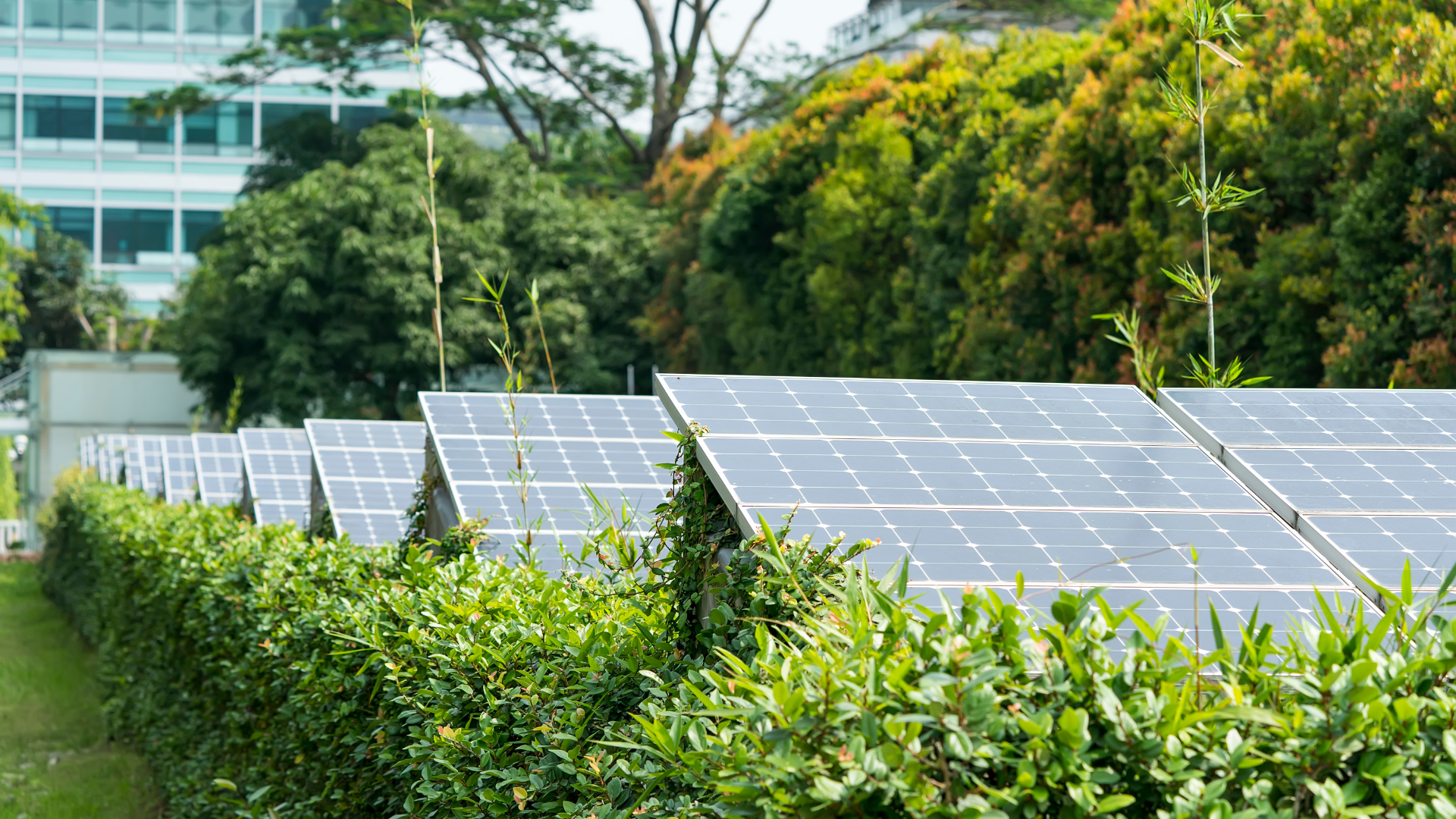
Solar panels harness sunlight to convert it into electrical energy or heat, making solar power one of the rapidly expanding renewable energy sources. Furthermore, its increasing affordability has caused individuals to show interest in both commercial and residential solar power opportunities.
Wind
Wind turbines harness the kinetic energy of the wind to convert it into electrical power, representing a sustainable and renewable source of energy. Within the intricate design and functionality of wind turbines, various components, including turbine parts, play a vital role in their seamless operation. The precision and quality of these parts, ranging from blades to gears, contribute significantly to the overall efficiency and longevity of the wind turbine system. As the demand for sustainable energy continues to grow, advancements in the manufacturing and maintenance of turbine parts become increasingly pivotal in maximizing the potential of wind energy as a clean power source.
Water
Hydroelectricity is generated by harnessing the kinetic energy of flowing water, directing it through turbines to convert the energy into electricity. This clean and renewable energy source boasts environmental advantages as it produces electricity without emitting greenhouse gases during operation. Unlike fossil fuels, hydropower doesn’t contribute to air pollution or climate change. Additionally, its reliability and sustainability make it a key player in the transition to cleaner energy alternatives, providing a constant and eco-friendly power supply. The efficiency and environmental benefits of hydropower position it as a significant contributor to the global pursuit of greener energy solutions.
Biomass
Biomass is energy that comes from organic matter like wood, crop waste, and garbage. It can be burned to create heat or electricity. Renewable energy is growing in popularity all the time, and it has the potential to help us reduce our reliance on fossil fuels. There are many different types of renewable energy, and each has its advantages and disadvantages.
How Does Renewable Energy Work?
Renewable energy is a form of energy that comes from natural resources such as plants, sunlight, and wind. It can be used to produce electricity, heat, or biofuels. When renewable energy is used to produce electricity, it is called clean electricity. Electricity produced with renewable energy differs from that produced with fossil fuels because it does not release greenhouse gases into the atmosphere.
Renewable energy can also be used to produce heat or biofuels. When renewable energy produces heat, it is called thermal conversion power. Solar power and biomass are two types of thermal conversion power. When renewable energy is used to produce biofuels, it is called biodiesel power or biogas power.
The Benefits of Renewable Energy
Renewable energy is a clean, renewable, and sustainable source of energy that can be used to generate electricity. It can come from various sources, such as solar, wind, geothermal, hydroelectric, and biomass.
Renewable energy has several benefits over traditional sources of energy. Renewable energy is environmentally friendly because it does not produce greenhouse gases. It has a low environmental impact because it does not require large amounts of land or water to generate electricity. Renewable energy also has economic benefits. There are plenty of incentives in the form of solar loans (learn more about them at www.joinatmos.com/solar-loans) provided by many companies and even some governments to encourage people to install a solar system in their home. Renewable energy is also cheaper than traditional sources of energy, and it has a lower environmental impact footprint. This means that renewable energy can positively affect the economy by creating jobs and reducing emissions.
The Future of Renewable Energy
Renewable energy is growing in popularity as it becomes more affordable and efficient. It has the potential to provide a sustainable future for the planet by decreasing reliance on fossil fuels.
The most common types of renewable energy are solar, wind, and hydropower. Solar energy is generated from the sun’s rays using photovoltaic panels. The solar panels convert sunlight into electricity which is then used to generate electricity or to heat and cool homes. Solar energy is a renewable, clean, and environmentally friendly source of energy. Wind turbines use the wind to generate electricity. Hydropower comes from dams, which use water to turn turbines that produce power.
Renewable energy has several advantages over traditional sources of energy. Renewable energy is sustainable-energy resources that can be used repeatedly without depleting them. It’s also environmentally friendly; renewable sources like solar and wind do not produce greenhouse gas emissions when used.
Renewable energy development has a few challenges, including concerns about grid reliability and price volatility. But these challenges can be overcome with careful planning and investment in the right technology infrastructure. In addition to reducing our reliance on fossil fuels, renewable energy could create new jobs in engineering, installation, maintenance, and marketing. The future of renewable energy is bright, and we can continue to progress toward a more sustainable world by investing in this promising technology.
Envisioning a Bright Future With Renewable Resources
Renewable energy is the future, and it’s time we started seeing that vision become a reality. By harnessing the power of renewable resources like wind, solar, and hydroelectricity, we can create a more sustainable future for ourselves and our planet.
We need to get moving on renewables if we want to avoid devastating climate change, and this article has given us some helpful information on how to start a sustainable future.