
The Benefits of Upgrading Your Computer’s RAM and Storage for Enhanced Performance

Upgrading a computer’s RAM and storage can significantly enhance its performance and efficiency. This improvement allows for faster processing speeds, better multitasking capabilities, and increased storage space for files and applications. As users face growing demands from software and increased data storage requirements, optimizing these components becomes essential.

An upgrade to RAM can reduce lag during operations, making tasks like video editing or gaming smoother. Likewise, expanding storage limits allows individuals to keep more files readily accessible without relying solely on cloud solutions or external drives.

Individuals looking to improve their computing experience should consider these upgrades as a valuable investment. Enhancing RAM and storage can bring new life to an older system or boost the capabilities of a newer one.

Why Upgrading RAM and Storage Matters

Upgrading RAM and storage significantly enhances computer performance and user experience. These upgrades lead to faster processing times, improved system responsiveness, and mitigation of slow PC issues, making day-to-day computing tasks smoother and more efficient.

Impact on System Performance

Upgrading RAM increases the amount of available memory, allowing the computer to handle more applications simultaneously. This is particularly beneficial for tasks such as video editing, gaming, and running virtual machines.

More RAM translates to better multitasking capabilities. When multiple programs run at once, they draw from system memory. Increased RAM reduces dependency on slower disk storage, resulting in faster data retrieval.

Storage upgrades, particularly SSDs, further enhance performance. SSDs read and write data much more quickly than traditional HDDs, which decreases boot time and application loading speed.

Enhancing Computer Responsiveness

Responsiveness improves significantly with more RAM. When the computer has sufficient memory, applications launch faster, and switching between them feels seamless. Users enjoy a more fluid experience when working on demanding projects.

Storage upgrades also play a vital role. An SSD not only speeds up file access but also improves software installation times. This responsiveness is crucial for users who rely on their systems for productivity.

As applications become more resource-intensive, having robust RAM and storage capabilities ensures that a system remains agile. With enhanced responsiveness, users can focus on their tasks without frustrating delays.

Reducing Slow PC Issues

Slow PCs often result from inadequate RAM or outdated storage. When memory is maxed out, systems struggle to allocate resources, leading to lagging performance. Upgrading RAM helps prevent this problem by providing the necessary resources for demanding applications.

Furthermore, a slow, hard drive can bottleneck the entire system. Transitioning to an SSD mitigates slow read/write speeds. This transition reduces loading times and enhances overall efficiency.

By addressing these common issues, upgrading RAM and storage offers a tangible solution for users experiencing sluggish performance. Increased capabilities enable smoother workflows and greater productivity in everyday tasks.

Benefits of Increasing RAM Capacity

Upgrading a computer’s RAM capacity can significantly enhance its functionality. Higher RAM allows for better multitasking, faster boot times, and improved performance during resource-intensive tasks like video editing.

Improved Multitasking and Productivity

Increasing RAM capacity plays a crucial role in multitasking. For instance, moving from 8GB to 16GB of RAM enables smoother operation of multiple applications simultaneously. Users can run programs such as web browsers, word processors, and spreadsheets without experiencing slowdowns.

When using Windows Task Manager, one can observe that with higher RAM, the system allocates memory more efficiently. Consequently, he or she can switch between applications with minimal latency. This improvement boosts overall productivity, especially for professionals managing tasks concurrently.

Faster Boot Time and Application Launch

A RAM upgrade can lead to significantly faster boot times. More memory allows the system to load essential programs and processes more quickly during startup. A computer with 16GB of RAM minimizes delays, ensuring that users can access their desktops promptly.

Additionally, frequently used applications benefit from increased RAM capacity. These applications can load into memory faster, resulting in shorter launch times. Overall, this efficiency meets the demands of users who require quick access for their work or leisure.

Optimal Performance for Video Editing

Video editing is a memory-intensive task that can greatly benefit from increased RAM. With sufficient memory capacity, editors can work on high-resolution projects without lag. Programs like Adobe Premiere or Final Cut Pro run more efficiently on systems equipped with 16GB or more.

Moreover, ample RAM enables smooth playback of video files and supports complex effects and rendering processes. This leads to a seamless editing experience, allowing creators to produce high-quality content without interruptions or crashes. For those serious about video production, upgrading RAM is often essential for achieving optimal results.

Advantages of Upgrading Storage Solutions

Upgrading storage solutions can significantly impact system performance. This improvement comes from opting for faster technologies and managing data more effectively. The analysis of various storage types reveals key benefits that enhance user experience.

Solid State Drives vs. Traditional Hard Drives

Solid State Drives (SSDs) provide a notable upgrade over Traditional Hard Drives (HDDs) in speed and performance. SSDs use flash memory, resulting in quicker data access times, typically around 0.1 ms to 0.5 ms, compared to HDDs that range from 10 ms to 20 ms.

SSDs also enhance boot times and application load speeds. A typical system might boot in 15-30 seconds with an SSD, while an HDD could take 1-3 minutes. Additionally, SSDs are more durable since they lack moving parts, reducing the risk of mechanical failure.

Expanding Storage for Better System Memory Management

Adding more storage can aid in system memory management, especially by utilizing additional drives. This expansion allows users to offload less frequently accessed data from primary drives, optimizing performance. Managing data efficiently mitigates the risks of fragmentation.

Using multiple drives can help maintain high read/write speeds, improving overall system responsiveness. Employing a tiered storage solution—where SSDs handle the operating system and frequently used applications while HDDs store larger files—creates a balanced approach. This tactic enhances both availability and speed.

Improved Data Access and Reliability

Upgrading storage solutions leads to improved data access speeds, influencing overall system functionality. Faster storage minimizes delays when opening files, running applications, or executing data-heavy tasks. Users experience a noticeable difference when switching from HDDs to SSDs.

Enhanced reliability is another significant benefit. SSDs endure more write cycles than traditional drives, meaning they often provide longer lifespans and maintain performance consistency. The durability of SSDs protects against data loss, reducing potential downtime due to drive failures.

Utilizing modern storage technologies positions users for better performance and longevity in their computing experiences.

Choosing the Right RAM and Storage Upgrade

Upgrading RAM and storage requires attention to specific technical details to ensure compatibility and performance improvements. Understanding the types of RAM and the significance of compatibility with the CPU and motherboard is essential for making informed decisions.

Understanding DDR3, DDR4, and DIMM Slots

When upgrading RAM, it’s crucial to recognize the differences between DDR3 and DDR4 memory. DDR3 operates at a lower voltage of 1.5V and has a bandwidth of up to 17GB/s, making it suitable for older systems. In contrast, DDR4 operates at a voltage of 1.2V and provides higher bandwidth, reaching up to 25.6GB/s.

DIMM slots are the physical connectors on the motherboard where RAM sticks are inserted. The number of available DIMM slots influences the maximum RAM capacity. Most motherboards support either DDR3 or DDR4, but not both simultaneously. Those looking to upgrade should check their motherboard specifications to ensure compatibility.

Compatibility with CPU and Motherboard

Compatibility with the CPU and motherboard determines the RAM’s effectiveness in improving performance. Every CPU has a supported RAM type, which might be DDR3 or DDR4. Using incompatible RAM can result in failure to boot or suboptimal performance.

Users should also verify their motherboard model through the manufacturer’s documentation. Factors such as maximum RAM capacity, supported speeds, and available DIMM slots vary across different motherboards. Utilizing tools like PC part pickers can simplify compatibility checking and help in the selection of appropriate upgrades.
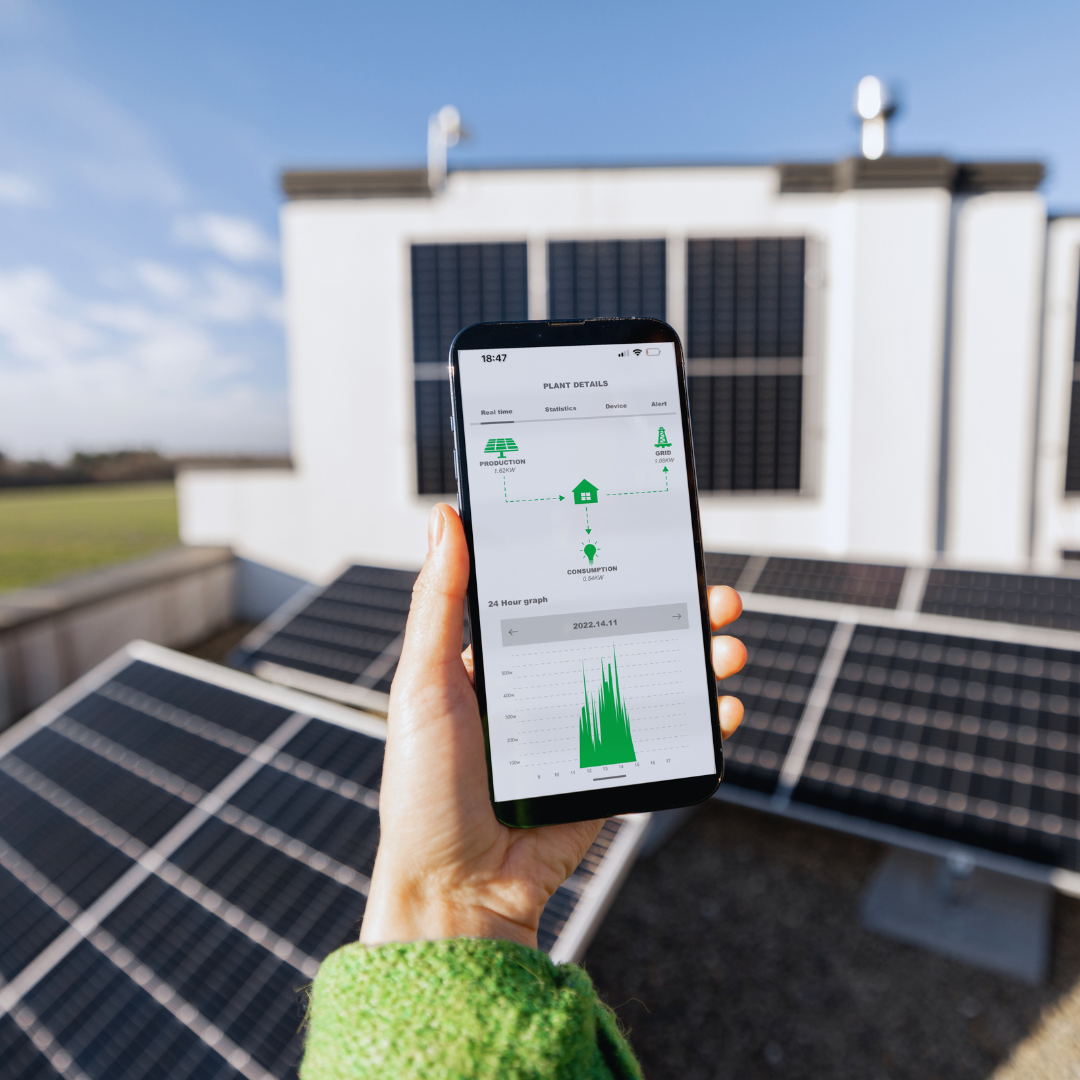
 

The Connection Between AI and Renewable Energy Technologies: Advancing Sustainable Solutions

The intersection of artificial intelligence and renewable energy technologies is increasingly vital in addressing the challenges of climate change and energy sustainability. AI enhances the efficiency of renewable energy systems by optimizing energy production, improving forecasting, and enabling better management of resources. As the world shifts towards cleaner energy sources, it becomes critical to understand how these advanced technologies can work together to maximize their potential.

Innovative applications of AI can be found in solar energy, wind power, and energy storage solutions. For instance, AI algorithms analyze weather patterns to predict energy output, allowing for more reliable integration into the power grid. This synergy paves the way for a more resilient and responsive energy infrastructure.

As interest in sustainable solutions grows, exploring the connection between AI and renewable energy reveals numerous opportunities for advancement. Engaging with these technologies can lead to groundbreaking developments that support a greener future.

AI’s Role in Advancing Renewable Energy

Artificial intelligence significantly contributes to the development of renewable energy technologies. It enables enhanced efficiency, automates decision-making processes, fosters innovation in integration, and utilizes predictive analytics to optimize energy management.

Enhancing Efficiency and Reducing Carbon Emissions

AI technologies can optimize the performance of renewable energy systems. By using machine learning algorithms, they analyze vast datasets to identify patterns and inefficiencies in energy production and distribution.

This analysis helps in fine-tuning operations, leading to higher energy efficiency. Improved efficiency can subsequently result in reduced carbon emissions, supporting sustainability goals.

For example, AI applications in solar panels allow for real-time adjustments based on weather conditions, enhancing their output. Wind turbines equipped with AI can also predict performance based on wind patterns, maximizing energy capture.

Automation and Decision-Making in Energy Systems

AI facilitates automation in energy management systems. Automation enhances decision-making processes across the energy sector, enabling quick adjustments to electricity demand.

AI systems can predict changes in energy needs and adapt generation accordingly. This capability ensures a constant supply, even as demands fluctuate.

For instance, smart grids in cities can utilize AI to effectively manage distributed energy resources. This results in reduced operational costs and improved reliability in energy distribution.

Innovations in Renewable Energy Integration

AI plays a crucial role in the integration of renewable energy into traditional energy grids. Innovations powered by AI facilitate smoother transitions between different energy sources.

Machine learning models can assess how best to integrate solar or wind energy without compromising stability. AI can also help manage energy storage solutions, coordinating when to store or release energy.

This approach allows for maximizing the use of renewable sources while minimizing reliance on fossil fuels. Furthermore, AI-driven systems can support the development of microgrids, enhancing localized energy resilience.

Predictive Analytics for Power Generation and Consumption

Predictive analytics powered by AI improves forecasting for power generation and consumption. These models analyze historical data to predict future energy needs, optimizing supply chains accordingly.

For example, utilities leverage predictive analytics to forecast electricity demand during peak hours, ensuring adequate generation. This capability reduces waste in energy production, aligning supply more closely with actual demand.

Leveraging deep learning techniques enhances the accuracy of these predictions. Accurate forecasting leads to informed decision-making, ensuring efficient electricity management in a rapidly evolving energy landscape.

Applications of AI in Energy Infrastructure

AI technologies significantly enhance energy infrastructure by improving efficiency, reliability, and management. These applications span various areas, such as electricity distribution, energy storage, predictive maintenance, and cybersecurity measures, all contributing to a smarter power grid.

Smart Power Grids and Electricity Distribution

Smart power grids utilize AI algorithms to enhance the distribution of electricity. These systems analyze real-time data on electricity consumption and energy demand to optimize supply.

Machine learning models help predict peak usage times, enabling better resource allocation. This anticipatory function minimizes energy wastage and ensures supply meets demand without overburdening the grid.

Furthermore, AI enables dynamic pricing models that encourage consumers to shift usage to off-peak hours. This leveling effect reduces strain on grid infrastructure and enhances overall efficiency.

Energy Storage Optimization

Energy storage systems play a critical role in managing renewable energy sources. AI improves these systems by predicting electricity demand and optimizing storage levels.

Machine learning algorithms analyze historical data and real-time inputs to determine when to charge or discharge energy storage units. This minimizes energy loss and ensures that stored energy is available during peak usage.

Additionally, AI can assess the health of battery systems, ensuring they operate efficiently. This proactive approach to maintenance extends the lifespan of energy storage technologies.

Predictive Maintenance and Power Outage Prevention

Predictive maintenance leverages AI to monitor the health of grid components continuously. By analyzing sensor data, AI identifies potential failures before they happen.

This approach reduces unplanned outages, enhancing grid reliability. It can also save costs associated with emergency repairs, providing a more stable electricity supply.

Utility companies can also use AI to analyze weather patterns and other environmental factors that may affect power infrastructure. This foresight allows for proactive measures to mitigate risks associated with severe weather.

Cybersecurity and Grid Reliability

As power grids become more interconnected, cybersecurity is critical to maintaining reliability. AI enhances security measures by providing real-time monitoring of network traffic.

Machine learning detects unusual patterns that could indicate cyber threats. By automating threat detection, AI allows for swift responses to potential breaches.

Robust cybersecurity protocols protect sensitive data related to electricity distribution and consumption. This protection is vital for maintaining consumer trust and ensuring the integrity of energy management systems.

Challenges and Future Trends at the Intersection of AI and Renewable Energy

The integration of AI in renewable energy faces several pressing challenges, such as scaling solutions to meet ever-increasing energy demands and ensuring the sustainability of AI technologies. Additionally, the ethical considerations surrounding AI-driven finance and customer experience require careful examination.

Scaling AI Solutions and Meeting Energy Demands

The rise in energy demands necessitates efficient scaling of AI technologies. Predictive analytics can optimize energy distribution across grids, particularly in regions like Texas, which are grappling with heightened power needs. AI can forecast consumption patterns, enhancing grid reliability and minimizing waste.

This requires a robust infrastructure capable of handling large data inputs. As energy from renewable sources continues to grow, the adaptability of AI algorithms becomes crucial. Implementing AI solutions can streamline operations and integrate renewable sources such as solar and wind, facilitating a transition to cleaner energy.

Sustainability of AI Technologies and Data Centers

As renewable energy expands, the sustainability of AI technologies becomes paramount. Data centers, which require substantial energy for operation and cooling, are significant contributors to carbon footprints. Transitioning these facilities to 100% renewable energy sources can mitigate impacts.

Furthermore, optimizing AI algorithms can lead to reduced computational needs. Using generative AI models may assist in enhancing efficiencies. Strategies to recycle heat from data centers can also promote sustainability, aligning with broader climate change efforts.

AI-Driven Finance and Investment in Clean Energy

Financing renewable energy projects increasingly relies on AI applications. Algorithms assess risks and predict market trends, guiding investors toward profitable, clean energy investments. Data analysis aids in identifying emerging opportunities, enabling targeted financial strategies.

This trend can also improve transparency in investment processes. Tools powered by AI can evaluate projects against sustainability goals, ensuring alignment with ethical standards. Enhanced financial models can streamline funding for new technologies such as energy storage and smart grids.

Ethical Considerations and Customer Experience

AI’s role in shaping customer experience within the energy sector carries ethical implications. Transparency is essential; companies must ensure customers understand how AI influences their energy usage and billing. Trust in AI solutions can foster more widespread acceptance.

Moreover, understanding customer needs through AI analytics can enhance service offerings. Tailored recommendations based on consumption patterns can lead to more efficient energy usage, contributing to sustainability. A focus on ethical AI use is crucial for maintaining customer loyalty and promoting clean energy adoption.


The Evolution of Mobile Phone Camera Technology: Tracing Innovations and Impact on Photography

Mobile phone camera technology has transformed significantly since the first models hit the market. Today, they offer high-resolution images, advanced features, and the ability to capture professional-grade photos in various conditions. The evolution of mobile phone cameras is marked by improvements in sensor technology, image processing software, and lens quality, making them essential tools for everyday photography.

The journey began with simple VGA cameras, evolving to today’s multi-lens systems capable of zooming, wide-angle shots, and low-light performance. As smartphone manufacturers compete to offer superior camera capabilities, features like artificial intelligence and computational photography have redefined what users can achieve with a mobile device. This rapid advancement not only enhances personal creativity but also influences trends in social media and digital content creation.

Understanding this evolution uncovers the broader implications for photography in general. As mobile phones integrate more sophisticated camera technologies, they challenge traditional cameras in providing accessibility and convenience. The continuous progression suggests a future where mobile photography will only become more integral to how images are captured and shared globally.

Origins of Mobile Phone Camera Technology

The development of mobile phone camera technology traces back to innovative research and practical applications driven by advancements in digital imaging. Key figures and organizations played critical roles in bridging the gap between traditional photography and mobile integration.

From NASA Innovations to Early Camera Phones

The roots of mobile phone camera technology can be linked to NASA’s early developments in imaging technology. Innovations in digital imagery during space missions laid foundational concepts that would later be adapted for consumer devices. The first commercial camera phones, emerging in the early 2000s, borrowed these advances, allowing users to capture images in a format previously constrained to standalone digital cameras.

The Role of Eugene Lally and Jet Propulsion Laboratory

Eugene Lally, a researcher at NASA’s Jet Propulsion Laboratory, significantly influenced the evolution of camera technology. Lally’s vision included creating small, portable cameras that could serve various applications, including those in mobile devices. His work on developing compact imaging sensors was instrumental in facilitating the transition to smaller, more efficient components that manufacturers began incorporating into early mobile phones.

Transition from Digital Cameras to Mobile Integration

As digital cameras became more prevalent in the late 1990s, their technology increasingly influenced mobile phone design. Manufacturers recognized the growing demand for convenience and portability among consumers, prompting them to merge digital camera features into mobile phones. This integration led to the release of the first true camera phone, the Sharp J-SH04, in Japan in 2000, which boasted a 0.11-megapixel camera. This marked a pivotal shift, setting the stage for substantial advancements and widespread adoption of mobile photography.

Breakthroughs in Image Sensors and Semiconductor Devices

Advancements in image sensor technology and semiconductor devices have significantly impacted mobile phone cameras. The transition from early technologies to modern solutions has improved image quality, reduced size, and enhanced functionality.

Evolution of Image Sensors

The journey of image sensors began with CCD (Charge-Coupled Device) sensors, which dominated early mobile devices. These sensors provided excellent image quality but were limited by size and power consumption.

As demand for compact and efficient solutions grew, the industry shifted toward CMOS (Complementary Metal-Oxide-Semiconductor) sensors. CMOS technology allowed for the integration of additional features, such as faster processing and lower energy usage.

This transition enabled manufacturers to create smaller, lighter smartphones without compromising photo quality. The introduction of backlit and stacked CMOS sensors further improved performance in low-light conditions.

The Rise of CMOS Sensors

CMOS sensors rose to prominence due to their inherent advantages over traditional CCD sensors. They consume less power, allowing for longer battery life in mobile devices.

Additionally, CMOS sensors can integrate color filters and other functionalities directly on the chip, enhancing image processing capabilities. This integration has enabled features like phase detection autofocus and high dynamic range imaging.

Innovation in pixel architecture, like the introduction of dual-pixel technology, has further pushed the boundaries of imaging in smartphones. This technology enables faster focusing and improved image quality, especially in challenging lighting conditions.

Key Contributions by Photobit, Aptina, and Micron Technology

Several companies have made significant contributions to the advancement of image sensors in mobile devices. Photobit, established in the late 1990s, pioneered the development of high-performance CMOS sensors, leading to improved image quality.

Aptina, later acquired by Micron Technology, played a vital role in the transition to high-resolution sensors. Their innovations included technologies for HDR imaging and integration of advanced processing features within the sensor.

Micron Technology has focused on enhancing the performance and efficiency of image sensors, ensuring compatibility with mobile devices. Their contributions continue to shape the capabilities of smartphone cameras in the competitive market.

Modern Smartphone Camera Innovations

Recent advancements in smartphone camera technology have significantly enhanced performance and image quality. Innovations like increased pixel counts, sophisticated imaging technology, and influential models such as the iPhone and iPhone 7 have transformed mobile photography.

Increasing Pixel Count and Image Quality

Modern smartphones often feature cameras with resolutions exceeding 100 megapixels. This increase allows for remarkably detailed images, catering to the demands of photography enthusiasts.

Higher pixel counts improve image cropping capabilities without sacrificing clarity. Manufacturers also incorporate advanced sensors and optical image stabilization to further enhance quality under various lighting conditions.

In addition, image processing software plays a crucial role. AI-driven algorithms can optimize exposure, reduce noise, and enhance colors. These technologies ensure that images taken in challenging environments maintain their quality.

Imaging Technology in Leading Smartphones

Leading smartphone manufacturers adopt various imaging technologies to enhance camera performance. Dual-lens and multi-lens setups are now common, enabling users to achieve diverse photographic effects.

These setups often include wide-angle and telephoto lenses, which allow for creative compositions and improved versatility. Furthermore, features like optical zoom and night mode are becoming standard, allowing for impressive low-light performance.

Companies like Samsung and Google continuously improve their techniques. For example, Google’s computational photography leverages software to create stunning images that often exceed the capabilities of hardware alone.

The Impact of the iPhone and iPhone 7

The iPhone has been pivotal in smartphone camera evolution since its launch. Each iteration has set benchmarks in image quality and usability.

The iPhone 7, with its 12-megapixel camera and enhanced image stabilization, marked a significant step forward. It also introduced a wide color capture feature, allowing for more vibrant and true-to-life photos.

Moreover, Apple’s focus on user experience has led to seamless integration of camera software with hardware. Features like Portrait mode and Live Photos have influenced other smartphone designs while demonstrating how software innovation can enhance hardware capabilities.

Cultural and Technological Impact of Mobile Cameras

Mobile cameras have transformed the way individuals capture and share their lives. Their integration into daily life has influenced social interactions, technological advancements, and the future of photography.

The Rise of Selfies and Digital Photography

Selfies have become a cultural phenomenon, changing how people perceive themselves and others. With the advent of front-facing cameras, individuals can easily take self-portraits that reflect personal moments and emotions.

Social media platforms encourage this practice, leading to an increase in digital photography. Users share their selfies for validation, connection, and expression. This trend has also influenced photography styles, encouraging candid shots and immediacy over traditional portraiture.

Cell Phone Cameras and Connectivity: 3G, 4G, LTE

The evolution of mobile network technologies such as 3G, 4G, and LTE has significantly enhanced mobile camera capabilities. Higher data speeds enable faster uploads and sharing of images and videos, allowing users to distribute content almost instantly.

These advancements also support higher quality uploads, shifting the focus from just taking photos to sharing high-resolution content. As connectivity improves, so does the accessibility of photography, making it a common hobby for many.

Beyond Smartphones: Pill Cameras and Future Trends

Innovative technologies such as pill cameras represent the future of mobile imaging. These devices allow for internal body imaging in a non-invasive manner, showcasing how mobile camera technology can extend beyond traditional use.

Future trends in mobile camera technology may include enhanced image stabilization, artificial intelligence for better photo enhancement, and augmented reality features. As technology advances, the role of mobile cameras will continue evolving, influencing fields beyond personal use, including medicine and creative industries.


The Future of Renewable Energy in Urban Environments: Innovations and Strategies for Sustainable Cities

Urban environments are increasingly recognizing the need to transition towards renewable energy sources. As cities expand, the demand for sustainable energy solutions becomes critical in combating climate change and ensuring a livable future. The future of renewable energy in urban environments lies in innovative technologies and integrated systems that harness wind, solar, and other renewable resources effectively.

Advancements in energy storage and smart grid technology are shaping how cities manage energy consumption. Urban planners and policymakers are focusing on integrating renewable energy infrastructure with existing urban designs to create more resilient and sustainable cities. Municipalities are also exploring partnerships with the private sector to finance and implement these green energy projects.

As local governments adopt stricter regulations on emissions and energy use, the potential for renewable energy in urban settings is vast. Investing in these technologies not only promises economic benefits but also enhances the quality of life for residents. Urban areas stand at the forefront of this energy revolution, making it imperative to examine the various avenues through which they can lead the way in renewable energy utilization.

Key Drivers of Renewable Energy Adoption in Urban Environments

Several critical factors influence the transition to renewable energy in urban settings. These drivers encompass the urgency of climate action, changing energy consumption patterns, and proactive policy measures within urban planning.

Climate Change and Emission Reduction Targets

Urban areas contribute significantly to greenhouse gas emissions, which intensifies the need for climate action. City governments have established ambitious emission reduction targets to combat climate change. For instance, many cities aim for net-zero emissions by 2050, aligning with global climate agreements.

This urgency encourages investments in renewable energy sources, such as solar and wind. Cities are increasingly focusing on technologies that minimize carbon footprints. By prioritizing decarbonization efforts, urban areas can significantly reduce their reliance on fossil fuels, helping to meet local and international climate goals.

Urban Energy Consumption Patterns

Urban environments exhibit unique energy consumption patterns that drive renewable energy adoption. High population density leads to increased demand for energy across residential, commercial, and industrial sectors. Consequently, cities are pressured to diversify energy sources to maintain reliability and sustainability.

Renewable energy systems, such as solar panels and wind turbines, are being integrated into urban infrastructure to meet these demands. Additionally, urban designs that emphasize energy efficiency encourage the use of renewable resources. Such strategies not only meet immediate energy needs but also foster long-term sustainability in urban settings.

Policy Initiatives and Urban Planning

Robust policy frameworks play a crucial role in facilitating the transition to renewable energy within cities. Governments are implementing regulations and incentives that promote renewable energy installations. For example, tax credits and subsidies for solar energy systems can significantly lower costs for residents and businesses.

Moreover, urban planning initiatives are increasingly incorporating renewable energy considerations. Zoning laws and building codes are being revised to encourage the incorporation of renewable technologies. This proactive approach creates a conducive environment for sustainable energy solutions and helps cities achieve their climate targets.

Advanced Solutions Shaping the Clean Energy Future

Innovative technologies and strategies are transforming urban environments into sustainable ecosystems. These advanced solutions aim to enhance renewable energy utilization, optimize efficiency, and reduce dependency on fossil fuels.

Solar Energy Integration and Expansion

Urban areas are increasingly adopting solar energy to meet their power needs. The deployment of solar panels on rooftops and building-integrated photovoltaics (BIPV) maximizes space efficiency. This integration can potentially cover a significant portion of the energy demand.

Cities like San Diego and Barcelona have pioneered solar energy programs, providing incentives for residential and commercial installations. Communities benefit from net metering policies, allowing them to sell excess energy back to the grid. The National Renewable Energy Laboratory (NREL) highlights that expanding solar infrastructure can drastically reduce greenhouse gas emissions by promoting decentralized energy generation.

Smart Technologies and the Internet of Things (IoT)

Smart technologies and the Internet of Things (IoT) play crucial roles in managing and optimizing energy use in cities. Smart meters and connected devices help monitor consumption patterns in real-time. By analyzing data, cities can better balance supply and demand, leading to improved grid stability.

Implementing smart grids enables two-way communication between utilities and consumers. This fosters dynamic pricing models and encourages energy savings. Integrating IoT devices facilitates demand response strategies, allowing users to adjust consumption based on grid conditions. Efficiently managing resources offers significant cost savings and contributes to overall energy resilience.

As cities lean more heavily on solar, wind, and other variable renewable sources, the grid itself becomes less predictable than a traditional fossil-fuel-dependent system, which raises the stakes for facilities that can’t afford unplanned outages. Businesses operating critical equipment, data centers, or continuous production lines need more than smart monitoring; they need a structured approach to planning for electrical downtime that accounts for scheduled maintenance, grid fluctuations, and backup power failover. Building that kind of resilience into facility operations ensures that the push toward renewable integration doesn’t come at the cost of reliability for the businesses depending on that power.

Energy Efficiency in Built Environments

Improving energy efficiency in buildings directly impacts urban renewable energy strategies. Retrofitting existing structures with better insulation, energy-efficient windows, and smart HVAC systems can substantially reduce energy consumption. New constructions are increasingly designed with sustainability principles in mind, often using advanced energy modeling techniques.

This shift toward sustainable construction requires close collaboration between developers and specialized design teams. In major metropolitan areas, commercial projects must meet strict local energy codes but they also need to be functional and visually appealing. Working with an experienced architecture firm design services houston helps businesses integrate these green technologies from the very start of the planning phase. These professionals balance environmental goals with practical construction needs to create efficient spaces. This approach ensures that new offices and commercial facilities reduce their carbon footprint from day one.

Many property owners start this transition by upgrading their heating and cooling units to modern, high-efficiency models. In regions with hot summers and mild winters, a reliable system is necessary to keep energy bills manageable. Local technicians who specialize in hvac columbia sc help residents select and install systems that meet these new standards. These upgrades reduce daily energy use and lower monthly utility costs. Regular maintenance also keeps these systems running at peak efficiency for years.

Green building certifications like LEED promote these practices by rewarding environmentally responsible designs. Enhanced energy management systems help optimize operations, further decreasing operational costs. According to NREL, focusing on energy efficiency can cut urban energy demand by nearly 30% over the coming decades.

Transition to Electric and Autonomous Vehicles

The shift towards electric and autonomous vehicles (EVs) is vital for reducing emissions in urban settings. Municipalities are investing in charging infrastructure, making it more viable for residents to switch from gasoline-powered cars. EVs reduce local air pollution and can further integrate with renewable energy sources to charge using solar power.

Autonomous vehicles enhance urban mobility and can be programmed to optimize energy consumption patterns. They play a role in reducing traffic congestion, which could lead to lower energy demands across the city. As cities embrace these advancements, they pave the way for cleaner, more sustainable transportation solutions.

Enhancing Urban Sustainability and Community Well-Being

Urban sustainability hinges on the integration of green infrastructure and community engagement. Strategies that improve biodiversity and air quality contribute to the well-being of city residents while reducing environmental impact.

Green Infrastructure and Biodiversity

Implementing green infrastructure enhances urban ecosystems. This includes parks, green roofs, and rain gardens, which provide habitats for various species. This infrastructure also supports biodiversity by connecting fragmented habitats.

Public green spaces promote physical and mental health. They offer residents areas for recreation, social interaction, and relaxation. Furthermore, diverse plant species filter pollutants and improve air quality, contributing to a healthier urban environment.

Cities focused on sustainable development should prioritize creating accessible parks. This strategy cultivates community pride and offers educational opportunities regarding native flora and fauna.

Mitigating Air Pollution and Traffic Congestion

Air pollution significantly impacts urban health and quality of life. Strategies such as expanding public transportation and promoting cycling can diminish reliance on cars. This shift reduces traffic congestion and the associated emissions.

Incorporating more green spaces can also combat air pollution. Trees and vegetation absorb harmful pollutants and reduce heat levels. Initiatives like pedestrian-only zones and improved transit options further contribute to cleaner air.

Cities should invest in electric buses and infrastructure to support electric vehicles. Such investments can lower emissions and encourage sustainable practices among residents.

Community Engagement and Environmental Monitoring

Engaging the community is essential for effective environmental monitoring. Local initiatives like tree-planting events foster a sense of ownership and responsibility towards urban greenery.

Collaborative efforts between residents and urban planners enhance biodiversity. Programs that educate citizens about environmental impacts lead to better conservation practices.

Utilizing technology for environmental monitoring allows real-time data collection. This data helps in assessing air quality and biodiversity indicators. Actively involving communities can lead to more informed decision-making and a stronger commitment to sustainability.

Challenges and Strategic Opportunities in Urban Energy Transition

Urban energy transition faces significant challenges but also presents strategic opportunities for adopting renewable energy solutions. Addressing these key issues can pave the way for cleaner energy systems and sustainable urban environments.

Decarbonizing Fossil Fuel-Dependent Systems

Many urban areas still rely heavily on fossil fuels for heating, transportation, and electricity. Transitioning these cities to cleaner energy sources is critical for achieving decarbonization goals.

This transition requires strategic investments in infrastructure to integrate renewable resources effectively. Innovative policies and incentives can facilitate the shift away from fossil fuels, such as subsidies for electric vehicle charging stations and solar panel installations.

Collaboration between governments and the private sector is essential to develop comprehensive strategies that encourage a gradual phase-out of fossil fuel dependence.

Ensuring Sustainable and Resilient Supply Chains

Urban energy systems depend heavily on complex supply chains. The reliability and sustainability of these supply chains play a vital role in facilitating the transition to renewable energy.

To ensure resilience, cities need to invest in local energy sources and technologies, reducing reliance on distant resources. This approach can minimize transportation emissions and enhance energy security.

Integrating circular economy principles can also help optimize resource use within cities. For instance, using recycled materials in renewable energy infrastructure could lower costs and promote sustainability.

Innovative Urban Developments and Smart Cities

Mixed-use developments and smart city technologies present significant opportunities for enhancing urban energy efficiency. By integrating residential, commercial, and recreational spaces, these developments can optimize resource use and promote sustainable living.

Smart technologies like IoT devices can monitor energy consumption, facilitating real-time adjustments to reduce waste. Furthermore, implementing renewable energy solutions, such as rooftop solar panels in these developments, can contribute to an overall clean energy future.

Cities like those in Spain are leading this innovative approach by incorporating green roofs and energy-efficient designs, showcasing the potential of smart urban planning for a sustainable future.


The Importance of Government Policies in Promoting Renewable Energy: A Pathway to Sustainable Development

Government policies play a crucial role in shaping the landscape of renewable energy. By implementing supportive measures such as tax incentives, grants, and regulatory frameworks, governments can significantly accelerate the adoption of clean energy technologies. This not only helps reduce greenhouse gas emissions but also fosters economic growth and job creation in emerging industries.

The transition from fossil fuels to renewable sources like solar, wind, and hydroelectric power is increasingly essential for a sustainable future. Policies that encourage investment and innovation in these sectors can drive down costs and enhance energy security. As nations grapple with climate change, effective government intervention becomes even more critical to ensure a viable path forward.

Public support for renewable energy often hinges on the effectiveness of these policies. With the right frameworks in place, citizens and businesses feel more empowered to invest in renewable technologies. This collaborative effort between government and society can lead to a more sustainable energy future, benefiting everyone in the long run.

Fundamental Role of Government Policies in Renewable Energy Development

Government policies play a crucial role in advancing renewable energy by creating a stable environment for investment and innovation. These policies guide the transition to sustainable energy sources and foster international collaboration.

Establishing Renewable Energy Targets

Setting clear and ambitious renewable energy targets helps governments outline their commitment to sustainability. For example, many countries have adopted legally binding commitments to achieve specific percentages of energy generation from renewable sources.

Targets can include Nationally Determined Contributions (NDCs) under the Paris Agreement, pushing nations to outline specific goals over set timelines.

These goals encourage both businesses and consumers to invest in renewable technologies. By establishing measurable objectives, governments can track progress and adjust strategies as needed to drive development forward.

Shaping Energy Policy and Regulatory Frameworks

Effective energy policy and regulatory frameworks are essential for creating a conducive atmosphere for renewable energy. Governments must develop and implement policies that streamline the permitting process for renewable energy projects.

In addition, regulations should provide incentives such as tax credits, feed-in tariffs, and renewable energy certificates. These mechanisms lower barriers and stimulate investment in projects ranging from wind farms to solar parks.

A robust regulatory framework also ensures a fair marketplace for energy producers and consumers. By balancing these elements, governments can attract both local and foreign investment in renewable technologies.

The financial side of these energy projects depends on long-term contracts between the people who make the power and those who buy it. These deals give everyone the price security they need to start big solar or wind projects. In many places, a power purchase agreement south africa is a common way for a company to get clean energy without the need to own any equipment. This setup helps a business keep its power bills stable for a long time. It also makes it easier for banks to lend money to new energy plants because the income is predictable.

Strengthening International Cooperation and Agreements

International cooperation expands the potential for renewable energy development beyond national borders. Agreements such as the Paris Agreement emphasize the importance of global partnerships in tackling climate change.

Through international collaborations, governments can share best practices, research, and technology. This exchange facilitates quicker advancements in renewable technologies and encourages investment from multiple sources.

Additionally, global cooperation supports the harmonization of regulatory standards. This ensures that countries are aligned in their approaches, enhancing the effectiveness and efficiency of renewable energy initiatives worldwide.

Incentives and Support Mechanisms for Promoting Renewable Energy

Government policies play a crucial role in creating incentives and support mechanisms to drive the transition to renewable energy. These initiatives can take various forms, from financial support to tax incentives, aimed at encouraging investment and adoption.

Tax Incentives and Grants

Tax incentives are vital tools used to promote renewable energy projects. Governments often offer tax credits, which reduce the overall tax liability for individuals or organizations investing in renewable technologies. For example, the Investment Tax Credit (ITC) allows a significant percentage of installation costs to be deducted from federal taxes.

Grants are also essential, providing upfront funding for renewable energy projects. These can be awarded to businesses and nonprofits to cover costs associated with research, development, and implementation of sustainable technologies. By alleviating initial financial burdens, grants stimulate growth in the sector.

Feed-in Tariffs and Financial Support

Feed-in tariffs (FiTs) are policies that guarantee fixed payment rates for energy produced from renewable sources. This mechanism provides a stable income for energy producers, incentivizing more entries into the market. By assuring long-term compensation, FiTs encourage investments in projects like solar farms and wind installations.

Additional financial support may include low-interest loans or governmental financing options specifically designed for renewable projects. Such financial frameworks lower barriers for new and existing energy producers, enhancing the overall feasibility of renewable energy adoption.

Investment Incentives and Subsidies

Investment incentives, such as accelerated depreciation, allow investors to recoup costs more quickly. This encourages organizations to invest in renewable technologies due to the improved cash flow throughout the early years of the project. Accelerated depreciation can significantly impact the financial viability of renewable investments.

In addition, direct subsidies can offset production costs, making renewable energy sources more competitive with fossil fuels. By reducing the financial gap between clean and non-renewable energy, subsidies motivate businesses to transition to sustainable practices, paving the way for a cleaner energy landscape.

Loans, Guarantees, and Support Schemes

Government-backed loans and guarantees provide vital financial support to renewable energy projects. These programs mitigate risks for private investors by assuring repayment in cases where projects may not perform as expected. Such schemes enhance access to necessary capital, making renewable projects more appealing and achievable.

Support schemes often include training programs, technical assistance, and advisory services to help navigate the complexities of renewable energy implementation. These resources equip individuals and organizations with the knowledge needed to undertake renewable initiatives, fostering a skilled workforce in the sector.

Impact of Government Policies on Sustainability and Economic Growth

Government policies play a crucial role in fostering sustainability and stimulating economic growth through initiatives centered on renewable energy. These policies have far-reaching effects, including reducing carbon emissions, creating jobs, ensuring social equity, and promoting environmental sustainability.

Reducing Carbon Emissions and Carbon Footprint

Effective government policies aim to significantly reduce carbon emissions and the overall carbon footprint. By incentivizing renewable energy production, such as wind and solar, governments lower greenhouse gas emissions.

Policies often include emissions trading systems, tax credits, and subsidies designed to encourage businesses and consumers to adopt cleaner technologies. For instance, countries that implement stringent emission regulations see a measurable decline in pollution levels, benefiting public health and the environment.

Driving Economic Benefits and Job Creation

Investment in renewable energy drives significant economic benefits and fosters job creation. Government initiatives can stimulate market growth for clean technologies, leading to new job opportunities in sectors like manufacturing, installation, and maintenance of renewable energy systems.

For example, the deployment of solar panels and wind turbines requires a skilled workforce, creating jobs that support local economies. A report from the International Renewable Energy Agency noted that millions of jobs are attributable to renewable energy sectors, emphasizing the potential for economic growth tied to sustainable practices.

Facilitating a Just Transition and Social Welfare

Policies that promote renewable energy must also address social welfare and facilitate a just transition for affected communities. Governments can implement training programs for workers transitioning from fossil fuel industries to renewable energy sectors.

Equitable policies ensure that no one is left behind in the energy transition. Initiatives such as financial assistance for low-income households to access clean energy technologies promote inclusivity, making it easier for all citizens to benefit from renewable energy solutions while contributing to sustainability.

Advancing Environmental Sustainability

Government policies are central to advancing environmental sustainability. Programs that promote energy efficiency, conservation, and renewable energy sources help protect ecosystems and biodiversity.

By enforcing stricter regulations on pollutants and encouraging the use of sustainable materials, governments can significantly enhance environmental quality. For instance, land-use policies that prioritize green spaces and renewable projects contribute to healthier urban environments, promoting long-term sustainability.

These initiatives collectively underscore how government action in renewable energy not only fights climate change but also supports broader social and economic objectives.

Measuring Policy Effectiveness and Long-Term Impact

Together, these initiatives highlight how government action in renewable energy supports both climate goals and broader economic and social progress. However, ensuring their long-term success requires continuous assessment of how effectively these policies perform in practice.

In this context, collaborating with professionals specializing in program evaluation enables governments to better understand whether their sustainability efforts are achieving the intended outcomes. This approach helps identify gaps, refine strategies, and ensure that resources are being used efficiently.

Ongoing assessment also strengthens transparency and accountability, offering clearer insights into what is working and where improvements are needed. Ultimately, by consistently evaluating these initiatives, policymakers can adapt and enhance their approaches, ensuring lasting impact alongside steady economic and environmental progress.

Key Sectors, Technologies, and Innovation in Renewable Energy

Government policies play a crucial role in driving advancements within key sectors of renewable energy. This includes the deployment of various technologies, expansion of traditional sources like solar and wind, and the encouragement of innovative solutions such as green hydrogen.

Deployment of Renewable Energy Technologies

The deployment of renewable energy technologies is essential for achieving energy transition goals. Solar photovoltaic (PV) systems, wind turbines, and biomass power plants are leading technologies that countries are increasingly adopting. Governments are implementing financial incentives, such as tax credits and grants, to foster investment in these technologies.

Local, state, and national policies often focus on streamlining permitting processes to facilitate faster installations. This not only promotes job creation in the clean energy sector but also enhances energy security.

Expanding Solar, Wind, and Hydroelectricity

Solar and wind energy have witnessed significant growth due to cost reductions and efficiency improvements. In 2023, global solar power capacity surpassed 1,000 gigawatts (GW), while wind power reached over 700 GW. Hydroelectricity remains a significant contributor to renewable energy, generating about 16% of global electricity.

Government initiatives often include subsidy programs aimed at expanding these resources further. By establishing renewable portfolio standards, policies ensure that a certain percentage of energy generated comes from renewables. This method incentivizes utilities to invest in solar, wind, and hydropower facilities.

Supporting Research and Development

Investment in research and development (R&D) is pivotal for advancing renewable technologies. Governments allocate funding to support various projects aimed at improving efficiency and reducing costs. Innovations in energy storage, such as lithium-ion batteries and alternative approaches, are crucial for enhancing the reliability of renewable energy sources.

Additionally, R&D initiatives often focus on integrating renewable energy into existing grids. Smart grid technologies enable better management of energy supply and demand, allowing for a smoother transition toward a renewable energy future.

Emerging Solutions: Green Hydrogen and Carbon Capture

Green hydrogen is becoming a focal point in renewable energy discussions. Produced through electrolysis using renewable sources, it has the potential to decarbonize hard-to-electrify sectors like heavy industry and transportation. Governments are investing in infrastructure to support hydrogen production and distribution.

Additionally, carbon capture technologies aim to mitigate greenhouse gas emissions from fossil fuel sources. By capturing CO2 before it enters the atmosphere, these methods can significantly reduce the carbon footprint of existing power plants. Supporting policies can facilitate the research and deployment of these innovative solutions, making renewable energy more sustainable.


The Role of Blockchain in Supporting Renewable Energy Trading: Enhancing Transparency and Efficiency

Blockchain technology is transforming various industries, and renewable energy trading is no exception. By enabling secure, transparent transactions, blockchain facilitates decentralized energy exchanges, empowering consumers and producers alike. This innovation fosters a more sustainable and efficient energy market, reducing reliance on traditional energy sources.

With blockchain, individuals and businesses can trade renewable energy directly, bypassing intermediaries. This streamlining not only cuts costs but also encourages the use of clean energy, as decentralized platforms can easily promote smaller producers. The result is a more dynamic energy marketplace where efficiency and sustainability are at the forefront.

As interest in renewable energy grows, understanding the implications of blockchain for trading becomes essential. This technology offers promising solutions to current challenges, such as trust and transparency in transactions. Exploring these advancements can illuminate the path toward a renewable energy future powered by decentralized, peer-to-peer trading.

Fundamentals of Blockchain in Renewable Energy Trading

Blockchain technology plays a transformative role in renewable energy trading by ensuring transparency, efficiency, and decentralization. It enables innovative trading models that can optimize energy distribution and consumption.

Key Principles of Distributed Ledger Technology

Distributed Ledger Technology (DLT) serves as the backbone for blockchain applications in energy trading. This technology creates a tamper-proof record of transactions visible to all participants while maintaining data integrity.

Key features include:

  • Decentralization: Eliminates the need for intermediaries, reducing costs and improving transaction speed.
  • Transparency: Each transaction is recorded and can be audited by all network participants, enhancing trust.
  • Immutability: Once recorded, transactions cannot be altered, ensuring a secure and reliable history.

These principles underpin the operational efficiency of renewable energy markets.

Smart Contracts in Energy Transactions

Smart contracts automate and enforce the terms of energy transactions on a blockchain. These self-executing contracts are programmed to trigger actions when predefined conditions are met.

Benefits include:

  • Efficiency: Reduces time and costs by automating processes like billing and settlement.
  • Accuracy: Minimizes human error by executing transactions based on coded criteria.
  • Flexibility: Can adapt to various trading scenarios, from tokenized energy exchanges to dynamic pricing models.

Smart contracts facilitate more seamless interactions between energy producers and consumers.

Peer-to-Peer Renewable Energy Trading Models

Peer-to-peer (P2P) trading models leverage blockchain to allow direct transactions between individuals. These models empower consumers to buy and sell excess energy generated from renewable sources.

Key features involve:

  • Direct Transactions: Bypasses traditional energy suppliers, allowing for better pricing and competitive rates.
  • Local Energy Markets: Encourages localized trading, enhancing sustainability and community engagement.
  • Enhanced Accessibility: Opens the door for small-scale producers, democratizing energy generation.

These models foster innovation and enhance the adoption of renewable energy solutions.

Enabling Decentralized Energy Markets

Blockchain technology plays a crucial role in the development of decentralized energy markets. It enhances transparency, supports tokenization of assets, and automates financial processes. These advancements facilitate more efficient and trustworthy energy trading between participants.

Transparency and Traceability in Energy Transactions

Blockchain provides an immutable ledger that records every transaction related to energy trading. This transparency ensures that all parties can verify energy origins, quantities, and ownership history. Renewable energy certificates (RECs) can be tracked through each step, preventing double-counting and fraud.

Smart contracts enable automatic validation of energy transactions. They trigger payments when conditions are met, such as energy delivery. This process simplifies auditing and compliance, as all stakeholders have access to real-time data. Enhanced transparency fosters trust among buyers and sellers, encouraging participation in decentralized markets.

Tokenization of Renewable Energy Assets

Tokenization allows physical renewable energy assets to be represented as digital tokens on a blockchain. These tokens can represent fractions of energy produced, making it easier for individuals to invest in and trade renewable energy. By breaking down larger assets, tokenization lowers the entry barriers for smaller investors.

Investors can buy, sell, or trade tokens easily on decentralized platforms. This increases liquidity in the renewable energy market, allowing for more dynamic pricing. Additionally, it creates opportunities for innovative financing models and community-driven energy projects, empowering local energy producers.

Automated Settlement and Billing

Blockchain streamlines the settlement process in energy trading. Smart contracts automate billing, reducing transaction times and minimizing the risk of human error. When conditions are satisfied, payments can be processed instantly without intermediaries.

This efficiency not only reduces transaction costs but also enables real-time financial reconciliation. Participants benefit from clear, transparent records of all transactions. Automated processes ensure prompt payments, which is critical for maintaining cash flow, especially for smaller energy producers and traders.

Addressing Challenges and Driving Adoption

The integration of blockchain in renewable energy trading presents various challenges that must be addressed to enhance its adoption. Key areas of focus include regulatory frameworks, grid infrastructure integration, and scalability alongside energy efficiency considerations.

Regulatory and Compliance Considerations

Navigating the regulatory landscape is crucial for blockchain applications in energy trading. Governments and regulatory bodies need to establish clear guidelines that distinguish between traditional energy markets and blockchain-enhanced platforms.

Actors in the market must comply with existing regulations on energy trading, consumer protection, and financial transactions. Blockchain technology can simplify compliance through transparency and traceability. Smart contracts can automate regulatory requirements, reducing the administrative burden.

Nonetheless, inconsistent regulations across jurisdictions pose challenges. Active collaboration among stakeholders, including lawmakers and energy providers, is essential for developing harmonized policies that encourage blockchain adoption while protecting consumers.

Integration with Existing Grid Infrastructure

Successful adoption of blockchain in renewable energy requires seamless integration with current grid systems. Many grids are outdated and may not support advanced technologies like blockchain.

Smart grid technology enhances this integration by providing real-time data on energy consumption and generation. This facilitates better energy management through blockchain, allowing for peer-to-peer trading and decentralized energy distribution.

Efforts need to focus on upgrading existing infrastructure. Investments in both hardware and software are necessary to ensure blockchain systems can operate efficiently within current frameworks. Collaboration between tech developers and grid operators will facilitate smoother transitions towards modernized energy ecosystems.

Scalability and Energy Efficiency

Scalability remains a critical concern for blockchain solutions in energy trading. Current blockchain systems may face challenges in processing high transaction volumes quickly. Ensuring that these platforms can scale effectively without compromising performance is vital for widespread adoption.

Energy efficiency is another important aspect. Blockchain technologies can require significant computing power, leading to concerns about energy consumption. Solutions such as proof of stake and layer-two scaling can enhance efficiency while reducing the carbon footprint associated with transaction processing.

Investments in optimizing blockchain protocols are necessary to improve both scalability and energy use. Continuous research and development in this field will be essential to creating sustainable solutions that enhance the renewable energy trading ecosystem.

Future Perspectives for Blockchain in Renewable Energy

Blockchain technology holds significant potential in the renewable energy sector. Its capacity for decentralization can empower consumers to become active participants in energy trading.

Key advancements expected in the near future include:

  • Improved transparency: Blockchain can enhance transparency in energy transactions, allowing all participants to verify data without relying on a central authority.
  • Smart contracts: Automated contracts on blockchain can facilitate real-time energy trading, reducing administrative overheads and ensuring instant settlements.
  • Microgrid integration: Blockchain may support decentralized microgrids, promoting local energy exchanges among communities.

The combination of blockchain and renewable energy can optimize grid management. It can enable dynamic pricing models, which can reflect real-time supply and demand.

Challenges in implementation may include:

  • Regulatory hurdles
  • Technology adoption rates
  • Initial investment costs

Despite these challenges, ongoing developments in blockchain technologies promise more efficient and sustainable energy systems. As the shift toward renewables accelerates, the role of blockchain is expected to expand.

Industry stakeholders are increasingly investing in pilot projects and collaborations to test these innovations. This proactive approach could lead to widespread adoption and integration of blockchain in renewable energy trading platforms.


The Role of Mobile Phones in Connecting Rural Communities: Bridging Gaps and Enhancing Communication

Mobile phones have become essential tools for communication and access to information, significantly impacting rural communities. They connect individuals to vital resources, enhance social interactions, and open up opportunities for education and commerce. With the advent of mobile technology, many rural areas experience improved access to healthcare services and agricultural advice, bridging the gap between urban and rural living.

In regions where traditional infrastructure is lacking, mobile phones serve as lifelines, enabling residents to communicate with family, businesses, and local government. These devices make it easier to share knowledge and best practices among farmers, leading to increased productivity and sustainability. Additionally, the use of mobile banking and financial services is transforming how rural populations manage their finances.

The integration of mobile phones in daily life is gradually changing the dynamics of rural communities. As connectivity improves, so does the potential for innovation and development. This shift not only enriches individual lives but also enhances the collective resilience of these communities in an increasingly digital world.

How Mobile Phones Foster Connectivity in Rural Communities

Mobile phones play a vital role in enhancing connectivity within rural areas. They facilitate communication, bridge the digital divide, and expand access to mobile internet and broadband services. These elements are crucial for the growth and development of rural communities.

Transforming Communication in Rural Areas

Mobile phones have revolutionized communication in rural areas, enabling residents to stay connected with family, friends, and essential services. With the ability to make voice calls, send text messages, and utilize social media platforms, individuals can share important information quickly.

Many rural communities have adopted mobile phones as their primary means of communication. This shift reduces reliance on traditional landlines, which may be limited or unavailable. Enhanced communication allows for better coordination of community events and the dissemination of vital news, improving overall community engagement.

Bridging the Digital Divide

The digital divide, which refers to the gap between those with access to technology and those without, remains a significant challenge in rural regions. Mobile phones help to bridge this gap by providing affordable access to telecommunications.

In many cases, mobile devices offer the only means for residents to engage with digital platforms. Initiatives promoting low-cost mobile phones and plans can enhance inclusivity. As more people access information and online services, they can participate in the digital economy, fostering economic growth.

Expanding Access Through Mobile Internet and Broadband

Mobile internet services have become essential for rural communities seeking to improve connectivity. Mobile broadband allows users to access information and services, including healthcare, education, and economic opportunities.

Efforts to improve broadband infrastructure in remote areas are critical. Partnerships between governments and private sector companies can lead to better connectivity options. Fixed wireless broadband and satellite internet are increasingly popular solutions for reaching underserved regions.

The expansion of mobile internet not only allows individuals to connect with the outside world but also fosters local businesses, encouraging entrepreneurship and innovation within rural areas. This development strengthens the overall economy and enhances the quality of life for community members.

Mobile Phones as Catalysts for Economic Development

Mobile phones play a vital role in enhancing economic development, particularly in rural communities. They empower individuals by facilitating agricultural productivity, enabling small business growth, and promoting financial inclusion through mobile money.

Empowering Farmers and the Agricultural Sector

Mobile phones significantly improve communication between farmers and markets. They provide timely information on weather patterns, crop prices, and best practices.

Farmers can access agricultural apps that offer guidance on pest management and crop rotation. This access enhances their decision-making and increases yield. In rural America, mobile connectivity allows farmers to participate in e-commerce platforms, expanding their customer base beyond local markets.

According to studies, farmers using mobile technology report increased income levels. By leveraging mobile phones, rural farmers gain the tools needed for sustainable agricultural practices.

Driving Growth for Small Businesses

Small businesses benefit immensely from mobile technology. By utilizing mobile phones, entrepreneurs can market their products effectively through social media and mobile-friendly websites.

They can connect with suppliers, facilitating better inventory management. Remote business management becomes possible through various apps designed for bookkeeping, scheduling, and customer relationship management.

Mobile phones enable small business owners to communicate with clients, boosting sales and enhancing customer service. In rural settings, where traditional marketing options may be limited, mobile marketing becomes a crucial strategy for growth.

Promoting Mobile Money and Financial Inclusion

Mobile money platforms revolutionize the way rural residents manage their finances. They provide access to banking services without requiring a physical bank branch.

Through mobile wallets, users can send and receive money, pay bills, and make purchases. This enhances financial security and promotes savings.

Mobile money expands economic possibilities, fostering entrepreneurship in rural areas. Reports indicate a significant rise in small business startups in regions with robust mobile money infrastructure. Mobile payment solutions also help reduce the reliance on cash transactions, which can be risky in rural environments.

The integration of mobile phones into daily life fundamentally transforms the economic landscape for rural communities.

Challenges and Opportunities in Rural Mobile Connectivity

Rural mobile connectivity faces distinct challenges that must be addressed to maximize its potential. Key factors include affordability, accessibility, and the level of digital literacy among community members. Understanding these aspects can help bridge gaps in connectivity and create opportunities for improvement.

Addressing Affordability and Accessibility Issues

Affordability remains a significant barrier to mobile connectivity in rural areas. Many households experience high poverty rates, limiting their ability to invest in smartphones and data plans. Local governments can play a crucial role in implementing subsidy programs or partnering with mobile service providers to reduce costs.

Accessibility is equally critical. Inadequate infrastructure can hinder mobile service delivery, particularly in remote locations. Surveys show that regions lacking reliable network coverage struggle to benefit from technological advancements. Governments and organizations should focus on improving the reach of information technology services by investing in infrastructure projects.

The Importance of Digital Literacy

Digital literacy is essential for fully realizing the benefits of mobile connectivity in rural communities. Many individuals lack the skills required to navigate online resources effectively. This knowledge gap can create disparities in access to information and services.

Training programs focusing on digital skills can empower residents to leverage technology for education, health services, and economic opportunities. Local governments, in collaboration with community organizations, can implement workshops to enhance these skills. Increased digital literacy helps individuals make informed decisions, fostering an environment where mobile connectivity can thrive.

Case Studies: Global Impact of Mobile Phones in Rural Areas

Mobile phones have significantly transformed rural communities globally. These case studies highlight specific instances where mobile technology has enhanced communication and economic opportunities in rural areas.

Success Stories from Africa: Uganda and Ethiopia

In Uganda, mobile phones have revolutionized agricultural practices. Farmers utilize them to access weather forecasts and market prices, enabling better decision-making. For example, the Digital Green initiative connects farmers to data-driven techniques, improving crop yields.

Ethiopia has also seen improvements with mobile technology. The Ethio Telecom provides affordable mobile services, enhancing communication in rural regions. Farmers use mobile applications to receive agricultural tips and connect with suppliers, leading to increased productivity.

Advancements in Indonesia

In Indonesia, mobile technology has supported rural education and health services. Applications such as Kelas Kita offer online learning for students in remote areas, bridging educational gaps.

Health services have similarly benefited. Mobile-based health monitoring systems allow villagers to consult doctors through messaging apps. This accessibility reduces travel costs and increases healthcare reach in rural communities, significantly improving public health outcomes.

China’s Rural Mobile Revolution

China has experienced a mobile revolution in its rural regions. The government’s Internet Plus strategy integrates mobile technology into various sectors, including agriculture and commerce.

Farmers in rural China use apps for direct sales, cutting out middlemen and improving profits. Additionally, mobile banking services facilitate financial transactions, expanding access to credit and savings for rural households. This transformation illustrates the essential role of mobile phones in fostering economic development in isolated areas.


Best Mobile Phone Camera Features: A Guide to Exceptional Photography

The landscape of mobile photography has evolved dramatically, providing users with an array of impressive camera features. With advancements in technology, consumers can now expect high-quality images that rival traditional cameras. Understanding the best mobile phone camera features can significantly enhance photography skills and ensure stunning results.

From versatile zoom options to low-light capabilities, modern smartphones cater to a variety of photography needs. Users now appreciate features such as optical zoom, which allows for close-up shots without losing detail, and image stabilization, which minimizes blur. These enhancements make capturing the perfect shot easier, regardless of skill level.

In addition to technical specifications, intuitive software settings play a crucial role in mobile photography. Features like portrait mode and night mode have become staples, enabling users to create professional-looking images effortlessly. Exploring these capabilities will reveal how to maximize the potential of any mobile device for photography.

Key Components of Camera Quality

Camera quality in mobile phones hinges on several critical factors that determine how images are captured and processed. Each component plays a unique role in achieving clarity, detail, and overall performance.

Sensor Size and Type

Sensor size is vital for determining how much light the camera can capture. Larger sensors tend to produce better images, especially in low-light conditions. For instance, a 1-inch sensor can gather more light than a smaller sensor, leading to improved dynamic range and less noise. The type of sensor also impacts quality. Common types include CCD and CMOS sensors. CMOS sensors are prevalent in smartphones for their efficiency and ability to capture high-definition video.

Megapixel Count

Megapixels indicate the number of pixels in an image, which correlates with the detail a camera can capture. High megapixel counts can enhance image clarity, but they are not the sole determinants of image quality. For example, a 108-megapixel camera can create detailed images, but the sensor’s size and technology are equally crucial. Lower-megapixel cameras can still produce excellent images, particularly when paired with superior sensors and optics. It’s essential to consider the context and usage of images when evaluating megapixel counts.

Aperture

The aperture plays a significant role in how much light enters the camera. It’s measured in f-stops; a lower f-stop number signifies a wider aperture, allowing more light to reach the sensor. This facilitates better performance in dim lighting and creates a shallow depth of field, which is ideal for portraits. For instance, an f/1.8 aperture can drastically improve image quality compared to an f/4. The trade-off between depth of field and light capture is crucial when selecting a mobile phone camera.

Advanced Camera Technologies

Mobile phone cameras have integrated several advanced technologies, enhancing the overall photography experience. Key innovations include Optical Image Stabilization, sophisticated Autofocus Systems, and High Dynamic Range (HDR) photography. Each technology brings unique advantages that significantly improve image quality.

Optical Image Stabilization

Optical Image Stabilization (OIS) minimizes blurriness caused by hand movements during photography. This technology uses small motors to shift the camera lens or sensor opposite to the motion, balancing any shake.

  • Benefits:
    • Reduces blurriness in low-light conditions.
    • Enhances video stability, resulting in smoother footage.
    • Improves clarity by allowing longer exposure times.

Many high-end smartphones now incorporate OIS, making it particularly beneficial for action shots or recording moving subjects. This feature is crucial for capturing sharp images without a tripod.

Autofocus Systems

Modern mobile cameras utilize advanced Autofocus Systems to achieve quick and accurate focusing. Various methods, such as Phase Detection Autofocus (PDAF) and Laser Autofocus, enable rapid adjustments based on subject distance.

  • Key Features:
    • PDAF: Uses multiple sensors to quickly calculate focus distance.
    • Laser Autofocus: Measures the distance to the subject with laser beams for precision.

These systems significantly reduce the time needed to focus, allowing photographers to capture spontaneous moments without delay. Enhanced autofocus capabilities can be particularly beneficial in dynamic environments, such as sports or wildlife photography.

HDR Photography

High Dynamic Range (HDR) photography involves capturing multiple images at different exposure levels. This technique combines them to produce a single image with optimal brightness and detail in both highlights and shadows.

  • Advantages:
    • Greater detail was captured in challenging lighting conditions.
    • Improved balance between bright and dark areas.
    • Vibrant colors without loss of detail.

Many smartphones automatically enable HDR mode for scenes with high contrast. This feature is especially useful in landscape photography, where light conditions can vary significantly. With HDR, users can achieve professionally edited-looking images directly from their mobile devices.

Software Enhancements

Mobile phone cameras have significantly advanced due to innovative software enhancements. These developments improve photo quality, reduce noise, and enable creative options, allowing users to capture stunning images easily.

Computational Photography

Computational photography utilizes algorithms to enhance images beyond traditional optical limits. This technique allows for features like High Dynamic Range (HDR), which captures details in both bright and dark areas of a scene.

Benefits of Computational Photography:

  • Night Mode: Enables clearer low-light photos by combining multiple exposures.
  • Aperture Control: Simulates depth of field effects for portrait shots.
  • Image Stabilization: Reduces blur from camera shake to produce sharper images.

These enhancements make photography more accessible and enjoyable, even for those unfamiliar with manual settings.

AI-Driven Features

Artificial intelligence plays a significant role in modern mobile photography. AI technology aids in scene recognition and adjusts camera settings accordingly.

Key AI-Driven Features:

  • Scene Detection: Identifies different environments (e.g., sunsets, landscapes) for optimal settings.
  • Object and Face Recognition: Enhances focus and exposure based on subjects in the frame.
  • Automatic Editing: Offers suggestions for filters and enhancements, streamlining post-processing.

This integration allows users to achieve professional-grade results with minimal effort.

Real-Time Filters and Effects

Real-time filters and effects enhance the photography experience by allowing users to apply modifications instantly. This feature offers creative flexibility and personalization.

Popular Filters and Effects:

  • Color Adjustments: Provides options like saturation, contrast, and brightness.
  • Artistic Effects: Includes styles that mimic painting or other artistic mediums.
  • Beauty Mode: Smoothens skin tones and enhances facial features for portraits.

These features cater to various artistic preferences, helping users express their creativity while capturing moments.

Video Capabilities

Modern smartphones offer impressive video capabilities, making them suitable for both casual users and professional filmmakers. Key features include high-resolution recording and advanced stabilization techniques.

4K and 8K Video Recording

Many flagship smartphones now support 4K video recording, which captures video at a resolution of 3840 x 2160 pixels. This level of detail is ideal for creating high-quality content that looks sharp on large screens. Some devices have taken it a step further by enabling 8K recording, providing a resolution of 7680 x 4320 pixels. While 8K is still gaining traction, it offers exceptional clarity for those looking to preserve every detail. These capabilities often include various frame rates, allowing users to balance quality with file size. Most smartphones enable adjustable settings, resulting in versatile filming options for various conditions.

High Frame Rate Options

High frame rate options enhance video smoothness, which is essential for action scenes or fast-moving subjects. Many smartphones offer settings like 60 fps (frames per second) for 4K video. Some devices provide even higher rates, such as 120 fps or 240 fps, allowing for impressive slow-motion effects. This feature captures detailed motion that can be slowed down in post-production for dramatic impact. Filmmakers appreciate these options for their ability to create dynamic and engaging content. The seamless playback enhances viewers’ experience, making it a critical consideration for those focused on quality.

Video Stabilization Techniques

Video stabilization is crucial for achieving smooth footage, especially when recording on the move. Many smartphones utilize electronic image stabilization (EIS) to reduce shaking during recording. Some advanced models incorporate optical image stabilization (OIS), which mechanically adjusts the camera lens to correct movement. This dual approach helps in maintaining video clarity, particularly in challenging shooting environments. Additionally, gimbal support can be found in various devices, further improving stability. This technology is beneficial for creators aiming to produce professional-quality videos without requiring bulky equipment.

Special Features for Photography Enthusiasts

For photography enthusiasts, certain features significantly enhance the mobile photo-taking experience. These elements allow for greater creative control, better image quality, and versatility in capturing different scenes.

Pro Mode and Manual Controls

Pro Mode is essential for those who want to manipulate camera settings like ISO, shutter speed, and focus manually. This mode often includes:

  • Adjustable Shutter Speed: Users can set longer exposures for night photography or quicker speeds for action shots.
  • ISO Settings: This enables adjustment of sensitivity to light, crucial for working in varying lighting conditions.
  • Manual Focus: A feature that lets photographers fine-tune focus for precise control, ideal for macro or portrait shots.

These tools empower users to achieve professional-looking results comparable to traditional cameras.

RAW Image Support

RAW image support is vital for serious photographers. Unlike JPEG files, RAW captures unprocessed data directly from the camera sensor. The benefits include:

  • Higher Quality: RAW images retain more details, especially in highlights and shadows.
  • Post-Processing Flexibility: Users can adjust exposure, white balance, and color grading without losing quality.
  • File Size: RAW files are larger, requiring more storage space but offering significantly better editing capabilities.

This feature enables enthusiasts to take full advantage of software like Adobe Lightroom or Photoshop, enhancing their final image.

Telephoto and Ultrawide Options

Telephoto and ultrawide lenses expand shooting possibilities. A telephoto lens allows for:

  • Zoom Capability: Users can capture subjects from a distance without losing detail.
  • Portraits: It creates flattering compression that enhances facial features.

Ultrawide lenses offer a different set of advantages:

  • Wider Field of View: Ideal for landscapes or crowded scenes.
  • Creative Angles: Enables dramatic perspectives and compositions.

Together, these lens options provide versatility, making it possible to adapt to various photographic scenarios.

User Experience and Accessibility

User experience and accessibility play crucial roles in how effectively users can engage with mobile phone cameras. Features that enhance usability significantly improve photographers’ ability to capture quality images with ease.

Ease of Use

Mobile phone cameras should prioritize user-friendliness. Intuitive interfaces allow users to navigate seamlessly through camera functions. Clear icons and logical menus simplify accessing various shooting modes, such as portrait or night mode. Providing tutorials or quick tips within the app can significantly enhance the learning curve, especially for new users. Features like automatic scene detection help novices achieve optimal settings without manual adjustments. Users appreciate streamlined functionality that allows them to focus on photography rather than technicalities.

Touch Focus and Exposure

Touch focus and exposure adjustments empower users to have precise control over their shots. This functionality enables individuals to tap on specific areas of the screen to set focus points, enhancing the composition of images.

Moreover, adjustable exposure controls allow users to brighten or darken their subjects. Such interactivity transforms a standard camera experience into something more engaging. This feature is particularly pertinent in dynamic shooting environments where lighting changes rapidly.

Customizable Buttons and Gestures

Customizable buttons and gestures improve the efficiency of camera operation. Users benefit from the ability to assign frequently used functions to physical buttons or shortcuts, tailoring the experience to personal preference. Gestures, such as swiping or pinching to zoom, can streamline camera actions with minimal effort. This flexibility caters to varying skill levels and helps users become more proficient. Accessible features enhance the overall experience, making photography enjoyable for everyone.

Camera Hardware Design

The design of a mobile phone’s camera hardware plays a crucial role in image quality and usability. Key factors include lens quality, durability, and the aesthetic integration of the camera module into the device design.

Lens Quality and Coatings

Lens quality significantly impacts photographic results. High-quality glass and advanced optical engineering allow for crisp, vibrant images. Multilayer coatings reduce lens flare and increase light transmission, ensuring photos are clear in various lighting conditions.

Common lens specifications include:

  • Aperture Size: A wider aperture (e.g., f/1.8) allows more light, beneficial for low-light photography.
  • Focal Length: Determines the field of view; telephoto lenses enable better zoom capabilities without loss of quality.
  • Aspherical Elements: Help minimize distortion and improve edge sharpness.

These features combined enhance the functionality and versatility of mobile cameras.

Durability and Water Resistance

Durability is essential for mobile cameras due to their everyday use. High-end models often include materials that resist scratches and impacts, ensuring longevity. Water and dust resistance ratings, such as IP67 or IP68, protect camera components from environmental hazards.

Factors contributing to durability include:

  • Corning Gorilla Glass: Often used on lenses to prevent scratches and cracks.
  • Sealing Technologies: Prevent moisture and dust from entering camera modules, enhancing reliability in various conditions.

Such features provide peace of mind for users who engage in outdoor or travel photography.

Camera Module Aesthetics

The aesthetics of a camera module affect the overall phone design and user perception. Sleek and minimalistic camera modules integrate smoothly into the phone without bulging excessively.

Design elements include:

  • Placement: Strategic positioning enhances usability and minimizes camera shake during photography.
  • Color Matching: Harmonizing the camera housing with the phone’s finish enhances visual appeal.
  • Size Considerations: Compact designs fit seamlessly while housing advanced technology.

A well-designed camera module adds to the device’s attractiveness, making it a consideration for potential buyers seeking both functionality and style.


How to Extend Your Phone’s Battery Life: Proven Tips for Longer Usage

Smartphones have become an essential part of daily life, but managing their battery life can be a constant challenge. Many users find themselves searching for ways to keep their devices powered throughout the day. To extend a phone’s battery life, users can implement simple strategies like reducing screen brightness, limiting background app usage, and adjusting location settings.

Lithium-ion batteries, commonly used in modern smartphones, can degrade over time, making it even more important to adopt practices that promote longevity. Day-to-day habits can significantly impact how long a phone lasts between charges. Understanding these factors can help users maintain their devices more effectively.

By following straightforward tips, individuals can ensure their smartphones remain functional for as long as possible, avoiding the frustrations of frequent recharging. There are practical steps anyone can take today to achieve better battery performance.

Understanding Battery Technology and Maintenance

Battery technology is crucial for smartphone performance and longevity. Proper maintenance practices can enhance battery health and extend its lifespan. Several factors, including battery types, charge cycles, and temperature management, significantly influence performance.

Types of Smartphone Batteries

Most smartphones use lithium-ion batteries due to their high energy density and efficiency. These batteries typically maintain a voltage between 3.7 to 4.2 volts. There are variations, including lithium polymer, which allow for flexible designs but may have slightly less energy density.

Understanding the type of battery can help users take better care of their devices. For example, lithium-ion batteries should not be completely discharged, as this can lead to deep discharge, which is detrimental to battery health.

Battery Health and Charge Cycles

Battery health relates to its capacity to hold a charge relative to when it was new. Users should be aware of charge cycles, defined as one full discharge and recharge of the battery. Each lithium-ion battery typically supports around 300 to 500 charge cycles before significant degradation occurs.

Users can monitor battery health through system settings, where they may find metrics like maximum capacity and performance management. Regularly paying attention to these aspects can prolong the battery’s functional life.

The Impact of Temperature on Battery Longevity

Temperature plays a significant role in battery performance and longevity. Heat can accelerate the degradation process, causing a reduction in battery capacity. Ideally, smartphones should be kept in environments between 0°C and 35°C (32°F to 95°F).

Excessive heat can occur during heavy usage or charging. To mitigate this, users should avoid using their phones in direct sunlight or charging while in a hot environment. Cold temperatures also pose risks, as they may temporarily reduce battery capacity but typically do not cause permanent damage.

Optimizing Your Phone’s Settings for Battery Preservation

Adjusting various settings on a phone can significantly increase battery life. By focusing on display settings, power modes, and connectivity features, users can effectively prolong their phone’s runtime.

Adjusting Screen Brightness and Timeout Settings

Screen brightness plays a crucial role in battery consumption. Reducing brightness to a comfortable level can save a significant amount of power. Users should also consider activating adaptive brightness which automatically adjusts based on ambient light.

Setting a shorter screen timeout is another effective method. For instance, reducing the timeout to 30 seconds instead of 2 minutes can keep the display off when it’s not in use, thereby conserving battery life. Additionally, utilizing dark mode can help save power on OLED displays. This mode displays darker colors, which require less battery.

Tailoring the Power Mode to Your Usage

Many smartphones offer various power modes, including low power modes and custom settings tailored to usage patterns. Activating low power mode temporarily restricts background activities and limits performance, which can extend battery life during critical times. Users should check in their settings for a battery usage option that displays which apps consume the most power. By identifying high-drain apps, they can make adjustments, like limiting background refresh or notifications. Switching to a balanced power mode for daily activities also helps target the right balance between performance and power conservation when needed.

Managing Connectivity Features Efficiently

Connectivity features such as Wi-Fi, Bluetooth, and location services can drain battery life if not managed properly. It’s beneficial to switch off Wi-Fi and Bluetooth when not in use. Location services should be set to activate only for specific apps, rather than running constantly in the background. This can drastically reduce unnecessary power drain. Users can also disable background app refresh for non-essential applications. This prevents apps from updating when not in use, ensuring the phone conserves energy effectively.

Establishing Habits to Enhance Battery Lifespan

Adopting specific habits can significantly improve a smartphone’s battery longevity. Implementing efficient charging methods, minimizing the use of resource-intensive applications, and disabling unnecessary notifications are critical steps in preserving battery health.

Charging Practices to Avoid Battery Wear

To maximize battery lifespan, it is crucial to adopt smart charging practices. Avoid overnight charging whenever possible. Overnight charging can subject batteries to a state of constant trickle charge, leading to potential wear over time. Instead, consider using a battery-saving mode when necessary. This reduces power consumption by limiting features and background activity. If fast charging is used, monitor the frequency, as it can generate heat and strain the battery. Regularly charging from a power source that provides steady voltage helps maintain battery integrity.

Minimizing Resource-Intensive Applications

Resource-intensive applications, such as social media and gaming, can quickly drain the battery. The Facebook app, for instance, refreshes in the background and consumes power even when not in use. Users should regularly check for apps that utilize significant battery life. To counter this, she can uninstall or limit access to power-hungry apps. Browsing the web can also be taxing. Consider using lighter browsers or mobile versions of websites. Switching to data-saving modes in apps can further decrease battery consumption.

Disabling Unnecessary Notifications and Background Activity

Uncontrolled notifications can lead to constant screen usage, thus draining the battery. Disabling push notifications for non-essential apps reduces screen wake-ups. This small change can drastically improve battery life.

Additionally, turning off background refresh for apps that do not require it prevents unnecessary resource use. Users should navigate to app settings to manage these preferences directly. These steps collectively create a more efficient environment for the smartphone battery to thrive.

Regular System Updates and Best Practices

Regular system updates and adopting best practices are crucial for enhancing a phone’s battery life. Keeping systems and applications current ensures optimal performance and efficiency, while utilizing built-in battery-saving features can significantly reduce power consumption.

Keeping the Operating System and Apps Up-to-Date

Updating the operating system and apps helps improve battery management and overall efficiency. Many updates contain optimizations and bug fixes that can extend device longevity. For both Android and iPhone users, enabling automatic updates through the settings app ensures that the latest improvements are applied without manual intervention.

Users should regularly check for updates if automatic options are not enabled. Within the settings app, the update section typically provides detailed information concerning performance enhancements. Keeping the operating system current also addresses any compatibility issues with apps that might cause excessive battery drain.

Utilizing Battery-Saving Features and Monitoring Tools

Smartphones include several battery-saving features that can aid in prolonging battery life. Power-saving modes can be activated to limit background processes, reduce screen refresh rates, and restrict data usage on 4G and 5G networks.

Additionally, it is beneficial to utilize monitoring tools available on most devices. On Android, the task manager can help identify and close apps consuming excessive battery. On iPhones, users can check battery usage statistics in the settings to pinpoint resource-intensive applications. Adjusting settings based on these insights can further extend battery longevity and improve everyday functionality.