
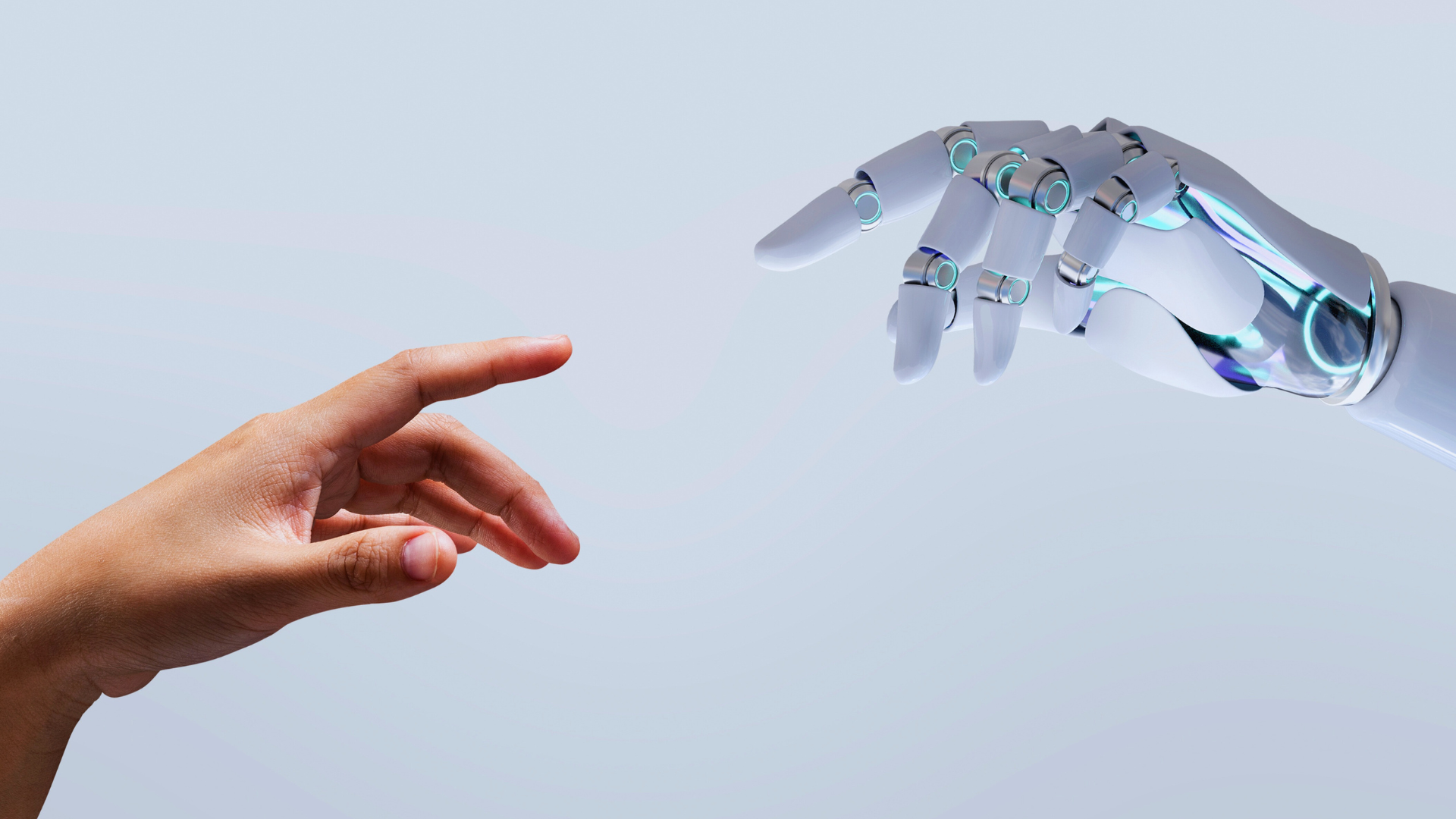
Why Tech Doesn’t Have to Replace Human Experience: Embracing Collaboration for Enhanced Engagement
In an era where technology permeates every aspect of life, the question arises: can it truly replace the richness of human experience? Many fear that advancements in AI and automation will diminish personal interactions and the emotional depth that comes from human engagement. The truth is, technology can enhance human experience rather than replace it, offering tools that empower deeper connections and understanding.
As individuals navigate the digital landscape, they frequently encounter interfaces and algorithms designed to assist, not supplant. These innovations can streamline tasks, improve efficiency, and even foster collaboration. By integrating technology thoughtfully, they can create opportunities for more meaningful human interactions.
Recognizing the distinct value of personal experiences is essential. While machines can perform numerous functions, the nuanced understanding and empathy intrinsic to human relationships cannot be replicated. Embracing technology as a complement to human experience allows individuals to enrich their lives while retaining the critical elements that make them uniquely human.
The Human Experience: Why Tech Can’t Replace It
The complexities of human connection, creativity, and intuition illustrate why technology cannot replicate the human experience. These qualities define what it means to be human and underscore our unique contributions to society.
Defining Human Connection in the Digital Age
In a world increasingly dominated by technology, authentic human connection remains essential. While social media and messaging apps facilitate communication, they often lack the depth of face-to-face interactions.
Key aspects of human connection include:
- Empathy: Understanding and sharing feelings enhances relationships.
- Nonverbal Cues: Body language and tone convey emotions that text cannot.
Humans thrive in an environment enriched by genuine connections that require shared experiences and emotional resonance. Technology can support these connections, but cannot replace their fundamental nature.
Creativity and Innovation as Human Strengths
Creativity is inherently tied to human experience. Machines can analyze data and generate content, yet they cannot produce original ideas born from lived experiences.
Human creativity is driven by:
- Life Experiences: Personal stories shape perspectives, fueling innovation.
- Cultural Influences: The diversity of human backgrounds leads to unique creative expressions.
Collaboration across various disciplines and cultures fosters innovation. While AI can assist in creative tasks, it lacks the experiential insights crucial for groundbreaking ideas.
Intuition, Flexibility, and the Power of Human Touch
Intuition and flexibility are distinctively human traits. These qualities allow individuals to adapt quickly to unexpected situations. Technology can analyze patterns but often struggles with ambiguous scenarios where human judgment excels.
The power of human touch includes:
- Emotional Intelligence: Understanding emotions in oneself and others guides decision-making.
- Adaptability: Humans can pivot based on new information or changing environments.
These traits enable humans to navigate complexities and build relationships in ways that technology cannot. The essence of the human experience lies in these irreplaceable qualities, reinforcing the notion that tech cannot fulfill every aspect of human life.
The Role of Technology and Automation in Enhancing Human Life
Technology and automation significantly influence daily living, improving efficiency and access to information. They create new opportunities while also posing challenges that require human engagement and leadership.
Opportunities and Limits of AI and Automation
AI and automation offer innovative solutions across various sectors. In industries like healthcare, these technologies enhance diagnostic accuracy and treatment personalization. For instance, AI algorithms can analyze patient data to identify health trends more swiftly than human counterparts.
Automation streamlines processes in manufacturing, reducing costs and increasing productivity. Yet, while these advancements provide substantial benefits, they also carry limitations. Complex decision-making and emotional intelligence are areas where machines still fall short.
The reliance on technology raises concerns about displacement in the workforce. Balancing automation with human roles is essential for sustainable growth. Organizations must recognize that while machines can assist, they cannot entirely replicate human capabilities.
The Importance of Human Leadership and Decision-Making
Human leadership plays a crucial role in integrating technology and automation effectively. Leaders must navigate the ethical implications of using AI, ensuring transparent and fair practices. Decisions regarding automation implementation often require a nuanced understanding and judgement that technology alone cannot provide.
Leadership fosters innovation by encouraging collaboration between human intuition and technological capabilities. Successful leaders utilize both data-driven insights and their understanding of human behavior to guide their teams.
Furthermore, maintaining a human touch in customer service remains vital. Personal interactions often enhance user experience, demonstrating the indispensable value of human touch amid technological advancement. Leaders must prioritize human skills alongside technical expertise for a well-rounded approach to modern challenges.
Preserving the Arts, Music, and Communication
Human creativity and expression remain irreplaceable, even in a technology-driven world. The nuances of artistic processes, emotional resonance in music, and the complexity of communication highlight this truth.
Artistic Processes: Human Versus Machine
Artistic creation involves unique cognitive and emotional processes. While algorithms can generate images or sculptures, they lack the personal experiences that inform true artistry. Artists draw from their histories, cultures, and emotions, shaping their work in ways that machines cannot replicate.
Human artists also embrace mistakes and spontaneity as part of their creative process. These imperfections often lead to authentic expressions that resonate deeply with audiences. In contrast, technology produces highly controlled outcomes, often missing the contextual richness that arises from human experience.
Emotional Depth in Music and Artistic Expression
Music connects listeners through emotional narratives. Human composers create melodies and lyrics rooted in their experiences, allowing audiences to relate on a personal level. Even when technology assists in music production, it cannot substitute for the genuine human emotions that permeate a handcrafted song.
The emotional depth found in music is a product of lived experiences. Artists use specific sounds, rhythms, and harmonies to convey complex feelings. While AI can analyze and mimic these patterns, it does not possess the emotional intelligence necessary to create music that resonates profoundly with audiences.
The Value of Interpersonal Communication Skills
Effective communication relies heavily on personal interaction. Non-verbal cues, tone, and context play crucial roles in conveying messages. Technology, such as chatbots and messaging platforms, can facilitate communication but often lacks the depth inherent in human conversations.
Interpersonal communication skills enable individuals to connect empathetically and build relationships. These skills foster collaboration and understanding in both personal and professional contexts. While technology can aid communication, it cannot replace the significance of human connection and the subtleties that come from face-to-face interactions.